Ridgeback Dog Food: Best Diet and Feeding Guide

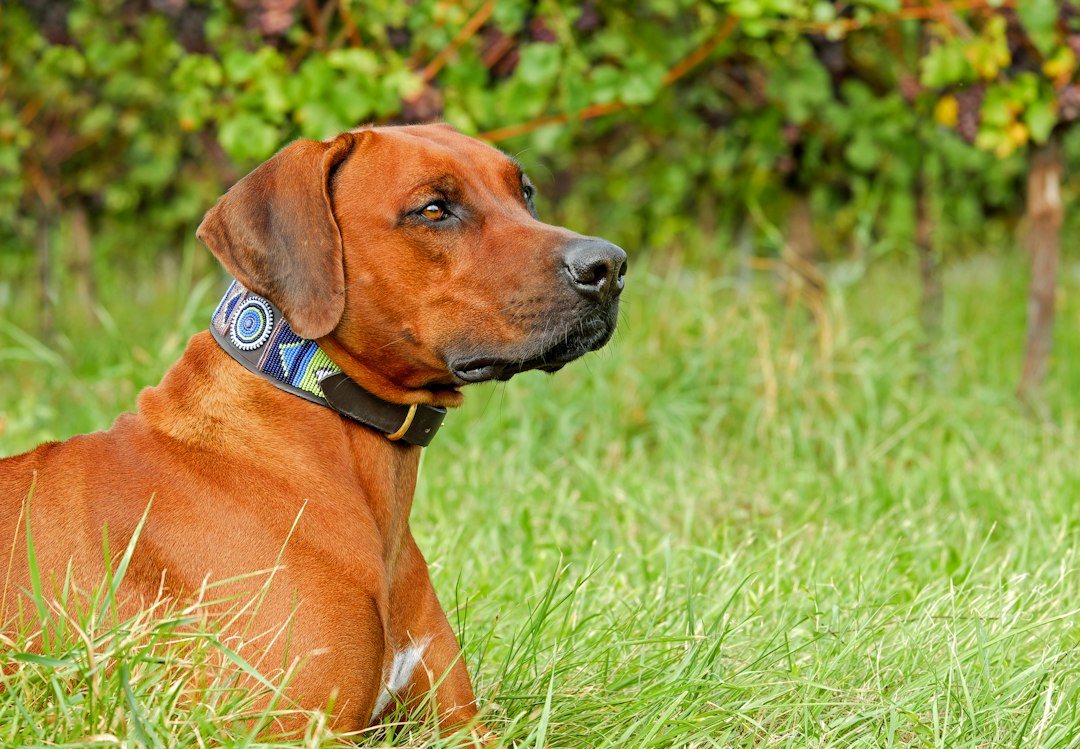
Ridgebacks are athletic, deep chested hounds, so the right ridgeback dog food and the right feeding routine matter more than a fancy brand name. Many guides list a dozen products and say little about the real risks: bloat, weight gain and joint strain. This guide puts feeding habits first and brand lists second.
We compared advice from Chewy, WebMD, PDSA, the ACVS and the AKC, and we checked five popular ranking pages. Several of those pages give calorie and weight numbers with no source, so we left those out. Written by the Paws and Facts Editorial Team. We are not vets, so check any diet change with yours.
Key Takeaways
- Pick a complete and balanced food that meets AAFCO standards for your dog’s life stage, as Chewy advises.
- Feed two to three smaller meals a day. The AKC says dogs fed once a day are twice as likely to bloat as dogs fed twice.
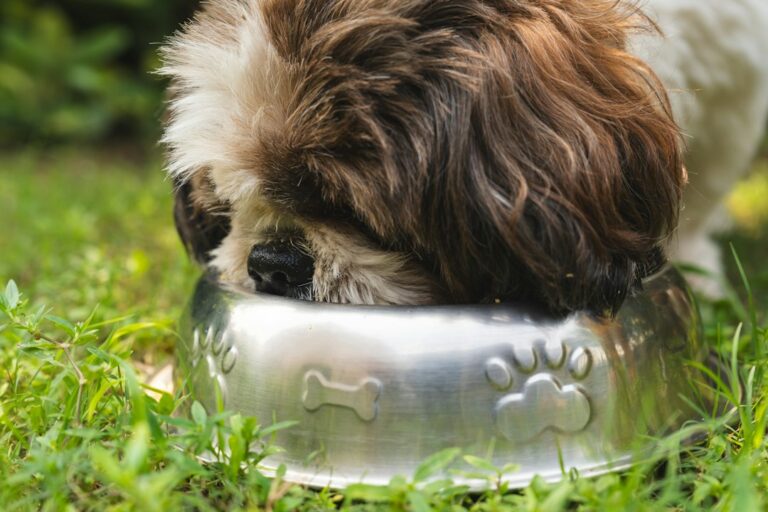
- Slow down fast eaters. The AKC reports five times the bloat risk for fast eaters compared with slow eaters.
- Keep treats to 10 percent of daily calories or less.
- Watch the waistline. Ridgebacks are known food thieves, and weight gain can also be a sign of hypothyroidism.
- Bloat is an emergency. Retching, a swollen belly and restlessness mean go to a vet now.
What Is the Best Ridgeback Dog Food?
There is no single winner, and we did not test any brand. The ranking pages we reviewed do not explain a testing method, and some are written by companies that sell the food they rank first. A better question is: what should any food do for a Ridgeback? Start with the breed facts.
| Breed fact | What sources say |
|---|---|
| Weight | 70 to 85 lb (Chewy). WebMD says males reach up to 85 lb and females up to about 70 lb. PDSA gives 31 to 38 kg, which is about 68 to 84 lb. |
| Height | 24 to 27 inches (Chewy) |
| Lifespan | 10 to 12 years (Chewy, WebMD) |
| Chest shape | Deep and narrow, which is why bloat is the top feeding concern (WebMD, ACVS) |
| Habits | Known food thieves and counter surfers (WebMD, Chewy) |
What to Look For on the Label
- A complete and balanced statement. Chewy says to feed a diet that meets AAFCO standards for your dog’s life stage: puppy, adult or senior.
- The right life stage. A large breed puppy food is not the same product as an adult or senior food.
- Fat and oil position. The ACVS mentions a 2006 study that linked dry foods with oils or animal fat among the first four ingredients to a higher bloat risk, and the AKC reports a similar fourfold figure for foods with soybean meal or fats high on the list. This is one study, so treat it as a possible risk and ask your vet.
- A feeding guide you can follow. You need the numbers to split the day into meals and to count treats.
Ridgeback Health Issues That Affect Feeding
| Condition | What sources say | Feeding angle |
|---|---|---|
| Bloat (GDV) | Deep chested breeds are prone. Can twist the stomach and be fatal (Chewy, WebMD, ACVS) | Meal size, meal count, eating speed |
| Hip and elbow dysplasia | Chewy lists weight management among the treatments | Keep your dog lean |
| Hypothyroidism | Signs include lethargy, hair loss and weight gain. A blood test diagnoses it (Chewy, WebMD) | Do not blame food alone. Ask for a blood test if weight rises |
| Dermoid sinus | A congenital skin defect common in the breed (Chewy) | Not a feeding issue. See your vet |
How Often to Feed a Ridgeback
The ACVS recommends two to three smaller meals per day instead of one large meal. PDSA also suggests splitting the daily amount into two meals at similar times each day. The AKC adds numbers: dogs fed once a day are twice as likely to bloat as dogs fed twice, and fast eaters have five times the risk of slow eaters.
| Bloat risk factor | What the sources say | What you can do |
|---|---|---|
| One big meal | Twice the risk of two meals (AKC) | Split into two or three meals |
| Fast eating | Five times the risk of slow eaters (AKC) | Use a slow feeder bowl |
| Stress at mealtime | Anxiety around other dogs may be a factor (AKC) | Feed dogs in separate spaces |
| Exercise near meals | Chewy advises no exercise for 2 hours before or after eating. PDSA says leave a gap. The AKC page does not cover it | Rest your dog around meals |
| Raised bowls | The AKC says evidence is conflicting. Chewy suggests bowls on the floor | Ask your vet |
The ACVS also notes that many surgeons recommend a preventive gastropexy, which tacks the stomach to the body wall, for at risk breeds. It can often be done during spay or neuter surgery. The AKC says it is hard to know which dogs need it, so talk to your vet.
Ridgeback Feeding Safety Check
Answer three quick questions to see how your routine compares with the guidance above. This tool does not tell you how much to feed.
Meal routine check
Formula: a rule check against the guidance in this article (meals per day, eating pace, a 2 hour exercise gap) plus a treat budget of daily calories divided by 10. Limits: it does not work out portion size, it does not replace your vet, and it cannot spot bloat. Estimate only, not veterinary advice and not a diagnosis.
How Much Should a Ridgeback Eat?
We will be honest: we found no verified cup chart for the breed. One ranking page gives a daily calorie range for adults with no source, and another lists adult weights that do not match the breed standard figures above. Food brands also differ in calories per cup, so a chart built for one product can mislead you on another.
Weigh your dog and compare it with the breed range. Weight gain over time is worth a vet visit, because hypothyroidism is one possible cause.
Use the feeding guide on your food for your dog target weight, not the weight it is today if your dog is overweight.
Divide the daily amount into two or three smaller meals. Subtract the treats you give.
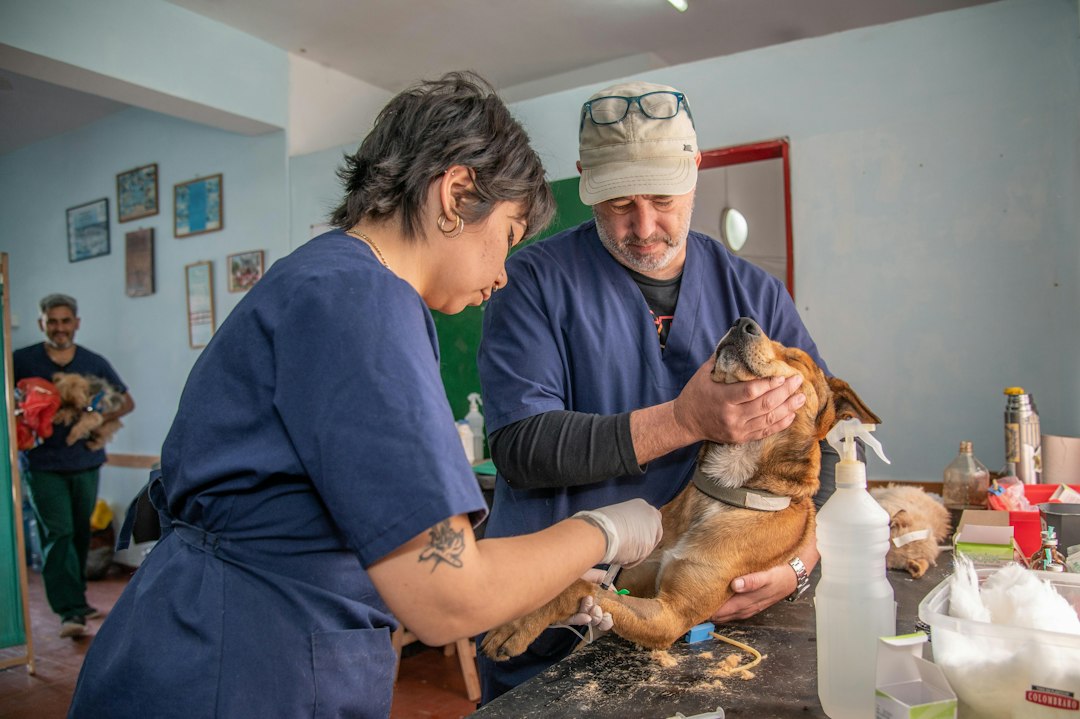
Run your hands along the ribs and watch the waistline. Ask your vet to teach you a body condition score.
Change amounts in small steps and recheck every few weeks. Ask your vet for a calorie target.

Puppy, Adult and Senior Ridgeback Food
| Life stage | What sources say | Our note |
|---|---|---|
| Puppy | Chewy says large breed puppy food can support healthy growth in the first year and names one example, with a note to check with a vet | We found no verified number of puppy meals a day. Ask your vet for a schedule |
| Adult | Feed a complete and balanced adult diet that meets AAFCO standards (Chewy) | Use two to three smaller meals |
| Senior | Match the food to the senior life stage (Chewy) | Watch weight and joints, and book regular vet checks |

Treats, Toppers and Human Food
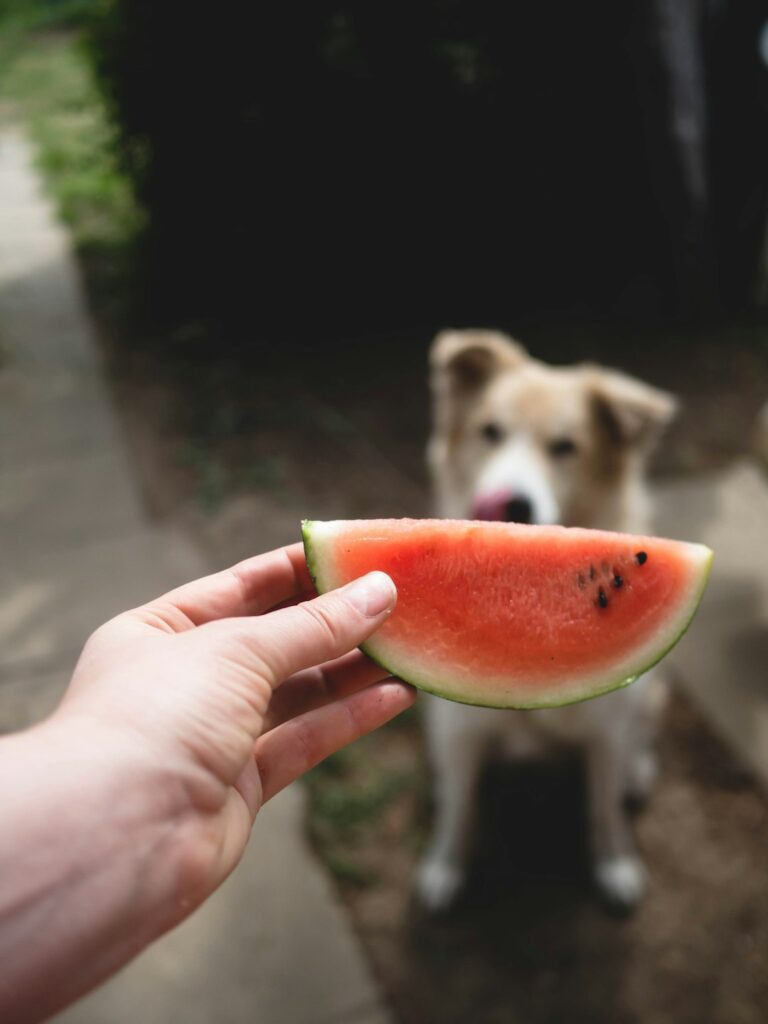
Treats should stay at or below 10 percent of daily calories, according to Chewy and PDSA. Ridgebacks are known food thieves, so keep plates and counters clear. Before you share a human food, check our guides on can dogs eat bones, can dogs eat avocado and can dogs have mushrooms. For the bigger picture, see are dogs omnivores.
DO
- Use part of the daily kibble as training treats
- Feed two to three smaller meals
- Use a slow feeder bowl for fast eaters
- Keep food and trash out of reach
- Ask your vet before any diet change
DO NOT
- Free feed a bottomless bowl
- Let your dog gulp one large meal
- Exercise hard right after eating
- Pick a food by marketing words alone
- Ignore weight gain or a swollen belly
Kibble, Fresh, Raw or Wet?
PDSA suggests a good quality complete commercial food, and Chewy points to the AAFCO complete and balanced label. We did not find a source that ranks one format above the others for Ridgebacks. Pages that rank fresh food first are often written by fresh food sellers, so read them with that in mind.
| Format | What we can say |
|---|---|
| Dry kibble | Easy to measure. Check the fat and oil position on the label if you worry about bloat |
| Wet or canned | Check for a complete and balanced statement before using it as a main meal |
| Fresh or cooked | Must be complete and balanced. Ask your vet to review a home recipe |
| Raw | We could not verify evidence for Ridgebacks. Ask your vet before trying it |
Related Dog Guides
- Are dogs omnivores?
- Can dogs eat bones?
- Can dogs eat avocado?
- Can dogs have mushrooms?
- Fila Brasileiro breed guide
- American Mastiff guide
Sources We Checked
- Chewy: Rhodesian Ridgeback
- WebMD: What to Know About Rhodesian Ridgebacks
- PDSA: Rhodesian Ridgeback
- ACVS: Gastric Dilatation Volvulus
- AKC: Bloat in Dogs
Frequently Asked Questions
How many times a day should I feed a Ridgeback?
The ACVS recommends two to three smaller meals a day instead of one large meal. PDSA suggests two meals at similar times.
How much should a Ridgeback eat?
It depends on the food, age, weight and activity. Use the feeding guide on the label for target weight and ask your vet for a calorie goal. We found no verified cup chart.
Is grain free food good for Ridgebacks?
We found no verified source that supports it for the breed, and we could not open the FDA page on the topic. Ask your vet before choosing it.
What is the best puppy food for a Ridgeback?
Chewy says large breed puppy food can support healthy growth in the first year. Ask your vet to pick a product and set the meal schedule.
Do Ridgebacks get bloat?
Yes. Chewy, WebMD and the ACVS all list deep chested breeds as at risk. Bloat is an emergency.
Can Ridgebacks eat raw food?
We could not verify evidence for raw diets in this breed. Ask your vet first.
Should I use a raised food bowl?
The AKC says the evidence is conflicting, while Chewy suggests keeping bowls on the floor. Ask your vet.
How long should a Ridgeback rest after eating?
Chewy advises avoiding exercise for 2 hours before and after meals, and PDSA says to leave a gap. Your vet can give advice for your dog.
Final Thoughts
The best ridgeback dog food is a complete and balanced diet for your dog’s life stage, fed in two or three smaller meals, with treats kept to 10 percent. Slow down fast eaters, rest your dog around meals, keep an eye on weight, and learn the signs of bloat. Talk to your vet about gastropexy, grain free claims and the right calorie goal for your dog.