Dogs and Food Allergies: Signs, Testing and Diet

Itchy paws, constant ear infections and loose stools make many owners suspect the food. Dogs and food allergies are a real problem, but they are also over diagnosed online, and many popular tests do not work. This guide shows what the signs look like, which foods are the usual triggers, how a proper elimination diet works and what to avoid while you wait for answers.
Written by the Paws and Facts Editorial Team. We compared the AKC, Rex Vet, MedVet, Vetstreet, the Merck Veterinary Manual and a 2025 study in Frontiers in Veterinary Science. We are not vets, so use this to prepare for a vet visit, not to replace one.
Key Takeaways
- Food allergy is an immune reaction. Intolerance or sensitivity is a digestive problem without an immune response.
- Itch is the main sign. Paws, ears, face, belly and rear are common spots, and ear infections show up in about half of affected dogs according to the AKC.
- Beef, dairy, chicken and wheat are the most reported triggers. Corn and rice are rarely to blame.
- Blood, saliva and hair tests are not reliable. The Merck Veterinary Manual says blood and skin tests are not reliable for diagnosis.
- An elimination diet takes at least 8 weeks, and some vets ask for 12. Nothing else may be eaten, including treats and flavored medicine.
- Emergency signs matter. Hives, swelling, vomiting or breathing trouble after a meal need urgent care.
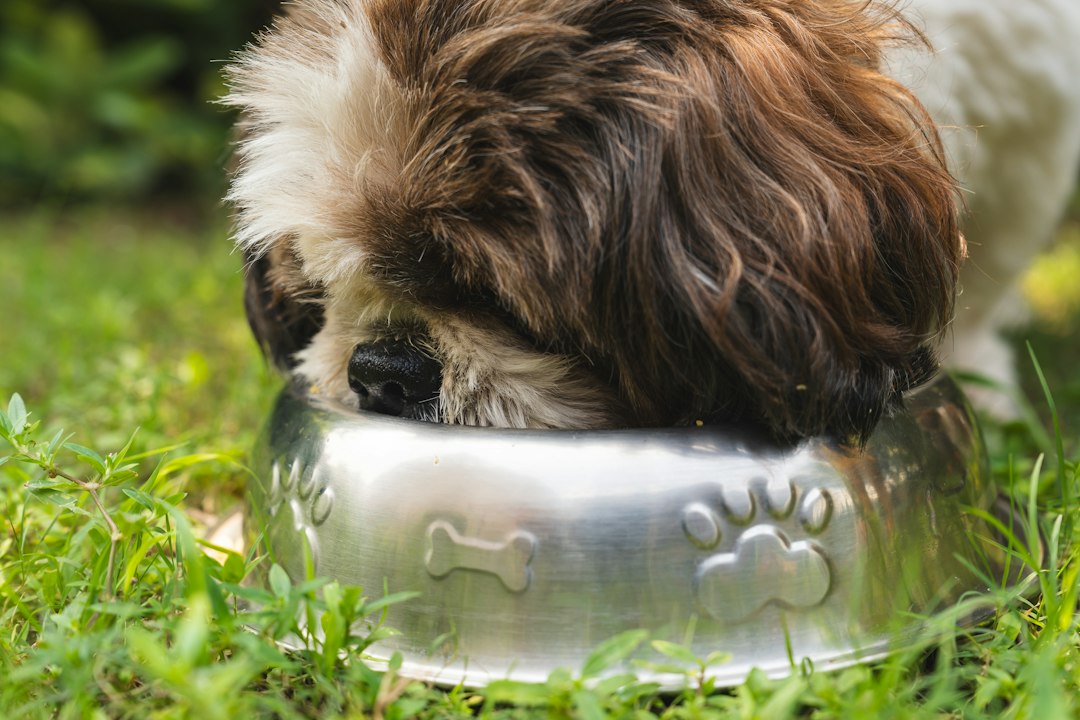
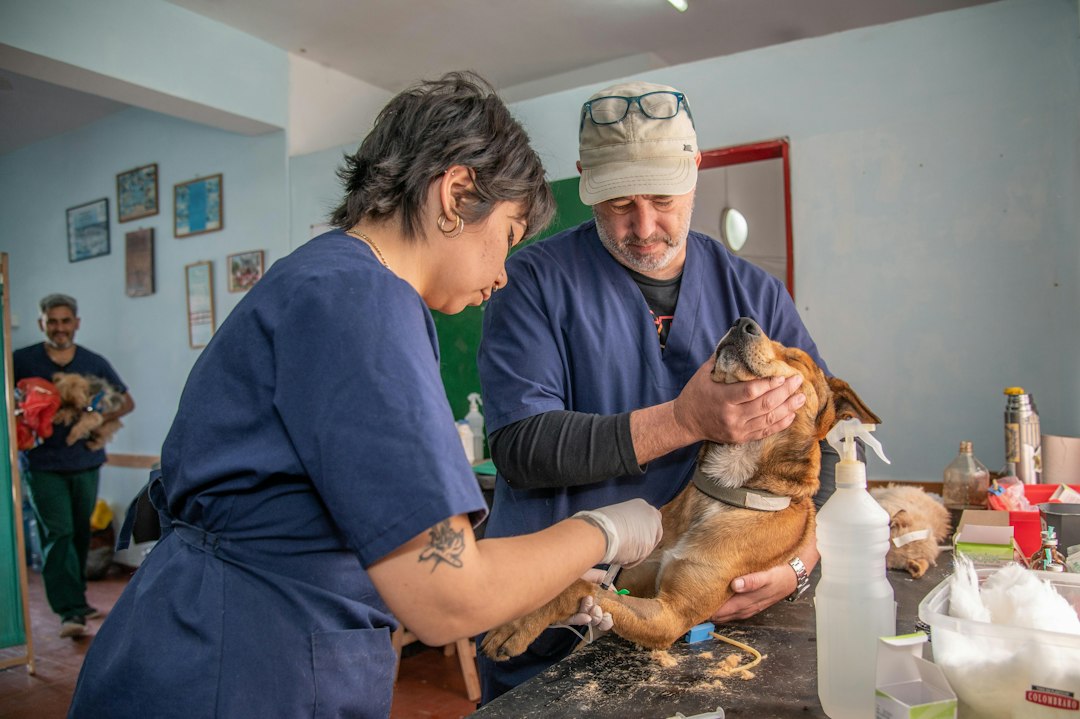
Photos on this page are general stock images of dogs and bowls. They are not dogs with food allergies.
Food Allergy vs Food Intolerance
The words are often mixed up. The AKC describes a food allergy as an immune response to a specific ingredient, usually a protein, which can start at any age, even after years on the same food. A food sensitivity is a chronic problem that is not an immune response, such as diarrhea after a very fatty meal. Some vets do not separate the two, because both usually lead to a diet change.
| Type | What happens | Typical signs |
|---|---|---|
| Food allergy | Immune reaction, usually to a protein | Itchy skin, ear infections, sometimes stomach signs |
| Food intolerance or sensitivity | Digestive upset without an immune response | Vomiting or diarrhea, often after a rich food |
| Environmental allergy | Reaction to pollen, dust mites or mold | Itch that can look the same, often seasonal at first |
Rex Vet notes that environmental allergy can look identical to a food allergy or trigger flares, which is why a strict trial is needed to rule food in or out. The AKC says food allergy is diagnosed in up to one fourth of dogs with allergic skin reactions.
Signs of Dogs and Food Allergies
The Merck Veterinary Manual says food allergy looks like airborne allergy, but the itch barely changes between seasons. The AKC lists intense itching of the feet, belly, face and rear, with scratching, chewing, licking and rubbing.
| Sign | What the sources say |
|---|---|
| Itchy skin | Year round itching of ears, paws and belly (Rex Vet). Hot spots and hair loss are listed by Vetstreet. |
| Ear infections | About 50 percent of affected dogs, and sometimes the only sign (AKC). |
| Skin infections | Repeat bacterial or yeast infections (AKC and Rex Vet). |
| Stomach signs | Diarrhea or vomiting in about 30 percent, more often in puppies (AKC). Vetstreet says these are less common than skin signs. |
| Onset | Often 1 to 4 years old, but any age is possible (Rex Vet). |
Which Foods Cause Most Reactions?
Dogs can react to any protein or carbohydrate they have eaten before, and some are allergic to more than one. Vetstreet summarizes a 2016 review of 297 dogs with confirmed food reactions. The AKC and Rex Vet name a similar short list.
| Ingredient | Share of confirmed cases (2016 review via Vetstreet) |
|---|---|
| Beef | 34 percent |
| Dairy | 17 percent |
| Chicken | 15 percent |
| Wheat | 13 percent |
| Lamb | 5 percent |
| Soy, egg, corn and fish | Each under 5 percent |
Rex Vet says corn and rice are rarely reported triggers, and grain free foods can still contain beef, chicken or dairy, so grain free is not an allergy treatment. The AKC lists Boxers, Labradors, Pugs, Rhodesian Ridgebacks and West Highland White Terriers as predisposed breeds, but any dog can be affected.
Why Blood and Saliva Tests Fail
Home kits and some clinic panels promise to name the culprit. The sources disagree with that promise. Merck says blood and skin tests are not reliable for diagnosis. MedVet does not recommend blood, saliva or hair tests because they are not accurate. Rex Vet summarizes two 2019 studies that found a hair and saliva test performed no better than chance and that saliva and blood tests could not separate food allergic dogs from healthy ones.
So what do vets use instead? A diet trial. The vet also rules out fleas, ringworm, scabies, thyroid disease and other causes first.
How an Elimination Diet Works
The trial feeds a diet made only of ingredients the dog has not had before, or of hydrolyzed protein, which is broken into tiny pieces. The 2025 study in Frontiers in Veterinary Science calls a 6 to 12 week trial the gold standard and notes that over half of dogs with a confirmed reaction needed more than 4 weeks to show a clear response. The AKC says at least 8 weeks finds more than 90 percent of food allergic dogs.
Your vet checks for fleas, mites, infections and other skin disease first.
A hydrolyzed or novel protein diet picked with your vet. Prescription diets are often needed, because few store bought foods qualify (MedVet).
No treats, chews, table scraps, flavored medicine or toothpaste. Feed other pets separately.
Rex Vet describes a recheck around weeks 8 to 12. Gut signs may settle first, and itch often eases later.
If signs return within about 1 hour to 14 days, the allergy is confirmed (Merck). Never rechallenge at home if your dog had a severe reaction.

Elimination Diet Trial Calendar
This calendar adds the weeks to your start date so you know when to book the recheck. It does not choose a diet or length for you.
Plan my dog’s diet trial
Formula: end date is the start date plus 7 days for each week of the trial. The challenge window is the next 14 days, because sources describe reactions within about 1 hour to 14 days. Limits: your vet may change the length or the challenge plan, and a severe reaction means no home challenge. Estimate only, not veterinary advice.
Treats, Medicine and Hidden Triggers
Most failed trials fail because of small extras. Rex Vet lists treats, table food, rawhide, flavored chews, toothpaste, supplements and flavored medicines, and says flea and heartworm chews count, so ask your vet for unflavored or topical products.
DO
- Follow the vet plan exactly for the full trial
- Read every label and keep a daily symptom diary
- Switch foods gradually to avoid diarrhea
- Ask about unflavored medicine and safe pill methods
DO NOT
- Hide pills in cheese or peanut butter during the trial
- Share the dog’s food with other pets or let them eat each other’s bowls
- Assume grain free or limited ingredient means safe
- Feed the old food again at home after a severe reaction
Rex Vet also cites a 2017 study that found unlisted animal DNA in 9 of 10 over the counter diets tested, while two hydrolyzed diets matched their labels. MedVet and the AKC both warn that store bought limited ingredient foods can be cross contaminated.

Treatment and Long Term Management
There is no cure. The AKC says the approach is to find the allergen and keep it out of the diet, and that dogs do not outgrow food allergies. Vets may also prescribe medicines such as Apoquel, Cytopoint or steroids to control itch, and MedVet mentions omega fatty acid supplements for skin health. Dose and choice are for your vet.
- Prescription hydrolyzed diets are often chosen for confirmed cases.
- Novel protein diets use one protein and one carbohydrate your dog has not eaten.
- Home cooked diets can work only if balanced and planned with your vet or a veterinary nutritionist.
- Recheck visits help adjust the diet and catch new problems.
Related Reading
For a wider look at what dogs can digest, read are dogs omnivores. If you are thinking about new proteins for a trial, our guide to can dogs have shrimp covers one example, but never add a food during a trial without your vet.
Sources
- American Kennel Club, food allergies in dogs
- Rex Vet, dog food allergy symptoms and elimination diet
- MedVet, food allergies in dogs
- Vetstreet, dog food allergies (contains product promotion)
- Merck Veterinary Manual, allergies in dogs
- Frontiers in Veterinary Science 2025, hydrolyzed diet trials
Frequently Asked Questions
Can a dog develop a food allergy later in life? Yes. The AKC says a food allergy can develop at any age, even after years of eating the same food.
What foods do dogs react to most? Beef, dairy, chicken, wheat and lamb are the most reported triggers. Corn and rice are rarely reported.
How long does an elimination diet take? At least 8 weeks, and some vets ask for up to 12. The AKC says 8 weeks finds more than 90 percent of food allergic dogs.
Does grain free food help? Not on its own. Rex Vet says grain free foods can still contain beef, chicken or dairy.
Are blood or saliva tests reliable? No. Merck says blood and skin tests are not reliable for diagnosis, and MedVet does not recommend saliva or hair tests.
Do dogs outgrow food allergies? The AKC says dogs do not outgrow them, so a diet that works is usually kept.
What is the difference between an allergy and an intolerance? An allergy is an immune reaction, often to a protein. An intolerance is digestive upset without an immune response.
Can I use a limited ingredient store food instead of a prescription diet? Only with your vet. MedVet and the AKC warn that store bought limited ingredient foods can be cross contaminated.
Final Thoughts
Dogs and food allergies are easy to suspect and hard to prove, which is why a patient, vet guided diet trial beats any quick test. Keep a symptom diary, remove every extra, and book the recheck. When the trigger is found, strict avoidance usually brings real relief.