Can Dogs Have Pineapple? Safe Amounts and Risks
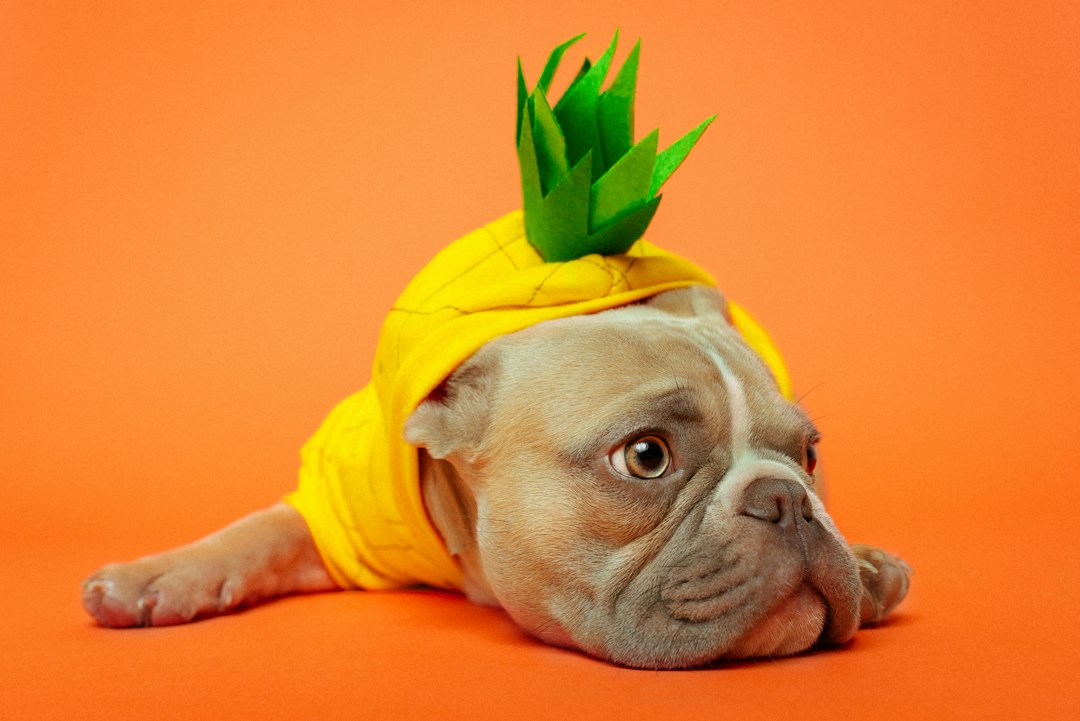
Can dogs have pineapple? Yes. Fresh pineapple is safe for most dogs in small amounts, as long as you remove the skin, crown and core. It is not toxic, but it is high in natural sugar and acid, so how much you give matters more than the fruit itself.
This guide gives you weight based serving sizes, the real nutrition numbers, a safety table for every form of pineapple, the truth about bromelain, warning signs and a free portion calculator. Everything here is written for pet owners who want a clear answer without the fluff.
Key Takeaways
- Fresh, ripe pineapple flesh is safe for most dogs in small amounts.
- Never feed the skin, crown, leaves or core. They can cause choking or a blockage.
- A safe starting portion is about 1 gram per kilogram of body weight, up to 50 grams, once or twice a week.
- Pineapple has about 10 grams of sugar per 100 grams, so keep portions small.
- Skip canned, dried and juice forms. Plain frozen pineapple is fine.
- Ask your vet first if your dog has diabetes, is overweight or has a sensitive stomach.
Can Dogs Have Pineapple? The Short Answer
Yes, with limits. The sweet yellow flesh of a ripe pineapple is a safe treat for healthy adult dogs. It contains no known toxic compounds, and many dogs love the juicy taste. The risks come from the sugar, the acid and the hard parts of the fruit.
Treat pineapple like any other extra. Dogs get everything they need from a complete and balanced dog food, so fruit is a bonus, not a need. Most vets suggest that treats stay under 10 percent of daily calories, and with pineapple it is wise to stay far below that.
KEY FACT
Sugar is the main issue. Pineapple has about 10 grams of sugar per 100 grams. The fruit is safe, but a big bowl is not.
Is Pineapple Good for Dogs? Nutrition Facts
If you are asking whether dogs can eat pineapple for its health value, the benefit is real but small. Here are the numbers per 100 grams of raw pineapple, based on USDA FoodData Central.
| Nutrient (per 100 g) | Amount | What it means for your dog |
|---|---|---|
| Calories | About 50 kcal | Low enough for a small treat |
| Sugar | About 10 g | The main reason to limit portions |
| Fiber | About 1.4 g | Helps digestion, too much causes loose stool |
| Water | About 86 g | Mild hydration boost on hot days |
| Vitamin C | About 48 mg | Dogs make their own, so extra is not needed |
| Manganese | About 0.9 mg | Supports bones and metabolism |
| Potassium | About 110 mg | Matters mainly for dogs on special diets |
In short, pineapple is a juicy, low calorie treat with a few vitamins and minerals. It will not fix health problems, and it should never replace regular dog food.
How Much Pineapple Can Dogs Eat?
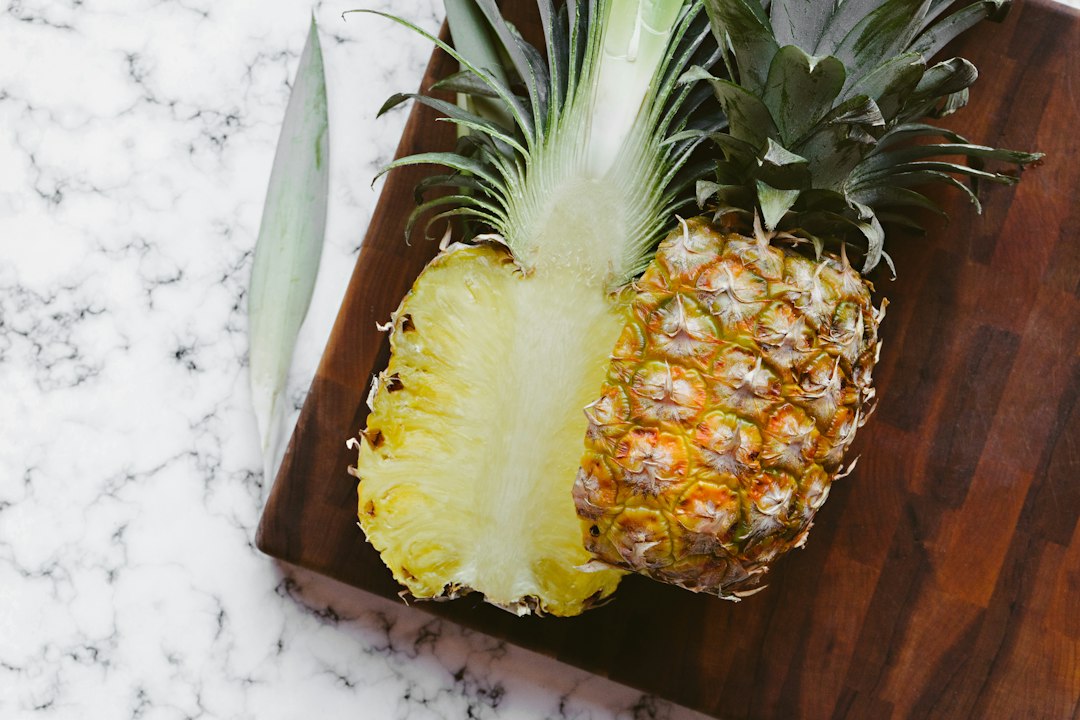
Use this table as a starting guide for healthy adult dogs. One piece means a bite size cube of about 1 inch by 1 inch by a quarter inch, which weighs roughly 5 grams. Serve once or twice a week.
| Dog weight | Pieces | Grams | Calories | Sugar |
|---|---|---|---|---|
| Up to 10 lb (4.5 kg) | 1 | 5 g | About 2.5 kcal | 0.5 g |
| 11 to 25 lb (5 to 11 kg) | 2 | 10 g | About 5 kcal | 1 g |
| 26 to 50 lb (12 to 23 kg) | 4 | 20 g | About 10 kcal | 2 g |
| 51 to 90 lb (24 to 41 kg) | 6 | 30 g | About 15 kcal | 3 g |
| Over 90 lb (over 41 kg) | 8 to 10 | 40 to 50 g | 20 to 25 kcal | 4 to 5 g |
These amounts are small on purpose. Your dog will still enjoy the treat, and the sugar stays low. Always start with less if your dog has never had pineapple before.
Pineapple Portion Calculator
Enter your dog’s weight to get a safe serving, plus the calories and sugar it adds.
The calculator gives a general guide for a healthy adult dog. Dogs with health problems need advice from a vet.
Which Forms of Pineapple Are Safe?
Not every pineapple product is a good treat. This table covers every form people ask about.
| Form | Safe? | Notes |
|---|---|---|
| Fresh flesh | Yes, small amounts | Best choice. Ripe, peeled and cut small |
| Frozen chunks | Yes, small amounts | Let soften a minute to protect teeth |
| Cooked, plain | Yes, small amounts | Cool it first. No sugar, garlic or onion |
| Canned | Avoid | Packed in syrup or juice with added sugar |
| Dried | Avoid | Concentrated sugar and often preservatives |
| Juice | Avoid | Sugar and acid without fiber |
| Core | No | Hard and tough, a blockage risk |
| Skin, crown, leaves | No | Sharp and fibrous, a choking and blockage risk |
| Desserts and cocktails | No | Sugar, alcohol, xylitol, garlic or onion may be present |
How to Prepare Pineapple for Dogs
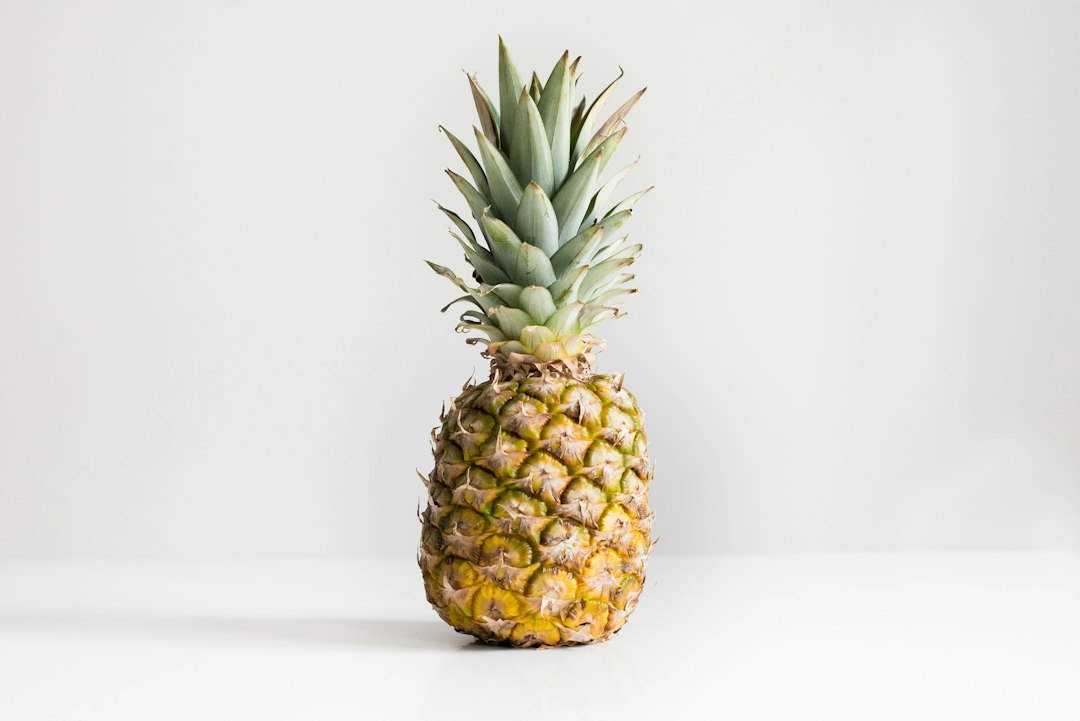
- Pick a ripe pineapple. It smells sweet at the base and has a golden color with a slight give.
- Wash the outside, then cut off the crown and the base.
- Slice away all the skin and remove the brown eyes.
- Cut out the hard core in the center.
- Cut the flesh into bite size pieces, smaller for small dogs.
- Serve fresh, or freeze the pieces on a tray for a cool treat.
- Store leftover pieces in a sealed container in the fridge for up to 3 days.
VET TIP
Unripe pineapple is more acidic and harder on the stomach. If it smells sour or fermented, throw it away.
Pineapple Risks for Dogs
Too much sugar
Large amounts of sugar can cause loose stool and gas. Over time, sugary treats can add to weight gain and dental problems, and they are a concern for diabetic dogs.
Acid and stomach upset
Pineapple is acidic. Some dogs get an upset stomach, drooling or vomiting after eating it, especially if the fruit is unripe or they eat too much.
Core and skin blockage
The core and skin are the real danger. They are hard to chew and digest, and a swallowed piece can block the intestines. This often needs emergency surgery.
Allergy
A true allergy is rare, but it can happen. Watch for itching, hives, a swollen face or trouble breathing after the first taste.
Health conditions
| Condition | Pineapple? | Why |
|---|---|---|
| Diabetes | Ask your vet first | Natural sugar can raise blood glucose |
| Overweight | Tiny amounts only | Count the calories in the daily total |
| Pancreatitis history | Ask your vet first | Diet changes can trigger a flare up |
| Kidney disease | Ask your vet first | Mineral limits depend on the stage |
| Sensitive stomach | One tiny piece to test | Wait 24 hours before giving more |
| Dental disease | Very small amounts | Sugar and acid affect teeth, so brush after |
First Time Feeding: The 24 Hour Test
- Offer one tiny piece, about the size of a pea for small dogs.
- Keep the rest of the day normal, with the same food and water.
- Watch for vomiting, loose stool, drooling, itching or low energy.
- If your dog is fine after 24 hours, you can use the portion from the table above.
- If any sign appears, stop feeding pineapple and call your vet if it lasts.
Bromelain: What It Does and Does Not Do
Pineapple contains bromelain, an enzyme that breaks down protein. Some blogs call it a natural medicine for dogs, but the amount in a few pieces of fruit is small, and there is little proof it helps dogs at that dose. The highest levels are in the stem, which dogs should not eat.
- Poop eating: there is no solid evidence that pineapple stops it.
- Inflammation: fruit alone will not give a medical effect.
- Supplements: do not give bromelain capsules unless your vet recommends them.
Warning Signs After Eating Pineapple
| Mild signs | Emergency signs |
|---|---|
| Soft stool or gas | Vomiting again and again |
| One time vomiting | Swallowed core, crown or skin and now sick |
| Drooling | Swollen belly, belly pain or no stool for 24 hours |
| Less appetite | Swollen face, hives or trouble breathing |
For mild signs, stop pineapple and keep water available. Call your vet if they last longer than 24 hours.
EMERGENCY
Go to a vet or emergency clinic right away if your dog:
- Swallowed a core or the crown and is vomiting or in pain
- Is choking, gagging or has trouble breathing
- Has a swollen face or hives
- Has bloody stool or vomit
- Is very weak or will not eat for a day
Can Puppies Have Pineapple?
Puppies can try pineapple once they are fully weaned and eating solid food. Give only a tiny piece, cut very small, and no more than once in a while. Their stomachs are sensitive, and sugary treats are not a good habit to start. Talk to your vet for young puppies or those on special food.
Pineapple vs Other Fruits for Dogs
Pineapple is sweeter than some fruits that are friendlier for dogs. Compare the numbers per 100 grams.
| Fruit | Sugar (about) | Calories (about) | Note |
|---|---|---|---|
| Pineapple | 10 g | 50 kcal | Remove skin, crown and core |
| Watermelon | 6 g | 30 kcal | Remove seeds and rind |
| Strawberries | 5 g | 32 kcal | Cut large ones |
| Papaya | 6 g | 43 kcal | Remove seeds and skin |
| Apple | 10 g | 52 kcal | Remove core and seeds |
| Banana | 12 g | 89 kcal | Very small portions |
Want another safe fruit option? Read our guide on whether dogs can eat papaya.

Helpful Resources
- AKC: Human foods dogs can and cannot eat
- ASPCA: People foods to avoid feeding your pets
- Pet Poison Helpline
- USDA FoodData Central
Related Guides
Pineapple for Dogs FAQs
Can dogs eat pineapple every day?
No. Because of the sugar, offer pineapple once or twice a week as a small treat. Daily fruit can add extra calories and upset the stomach.
Can dogs eat canned pineapple?
It is best to avoid it. Canned pineapple is usually packed in syrup or juice, which adds a lot of sugar. Fresh or plain frozen pineapple is a better choice.
Can dogs eat pineapple skin or core?
No. The skin is sharp and tough, and the core is hard to digest. Both can cause choking or an intestinal blockage, so remove them every time.
Can dogs drink pineapple juice?
Avoid it. Juice is a concentrated source of sugar and acid without the fiber of the fruit. Plain water is the better drink.
Will pineapple stop my dog from eating poop?
There is no good proof that it works. Cleaning up right away and talking to your vet about the cause is a better plan.
Can dogs eat dried pineapple?
Store bought dried pineapple is usually a poor choice because it is high in concentrated sugar and may have added sugar or preservatives. Skip it.
Can dogs eat frozen pineapple?
Yes, plain frozen pineapple is a good summer treat. Let a piece soften for a minute so it does not hurt the teeth.
My dog ate a pineapple core. What should I do?
Call your vet for advice. Watch for vomiting, belly pain, no stool for 24 hours or loss of appetite, and go to the clinic right away if you see them.
Final Thoughts
So, can dogs have pineapple? Yes, in small amounts. Choose fresh or plain frozen flesh, remove the skin, crown and core, follow the weight table and serve it once or twice a week. Test a tiny piece first, watch for signs of upset, and ask your vet if your dog has diabetes or a sensitive stomach.