Can Dogs Have Mushrooms? Safe Types and Risks
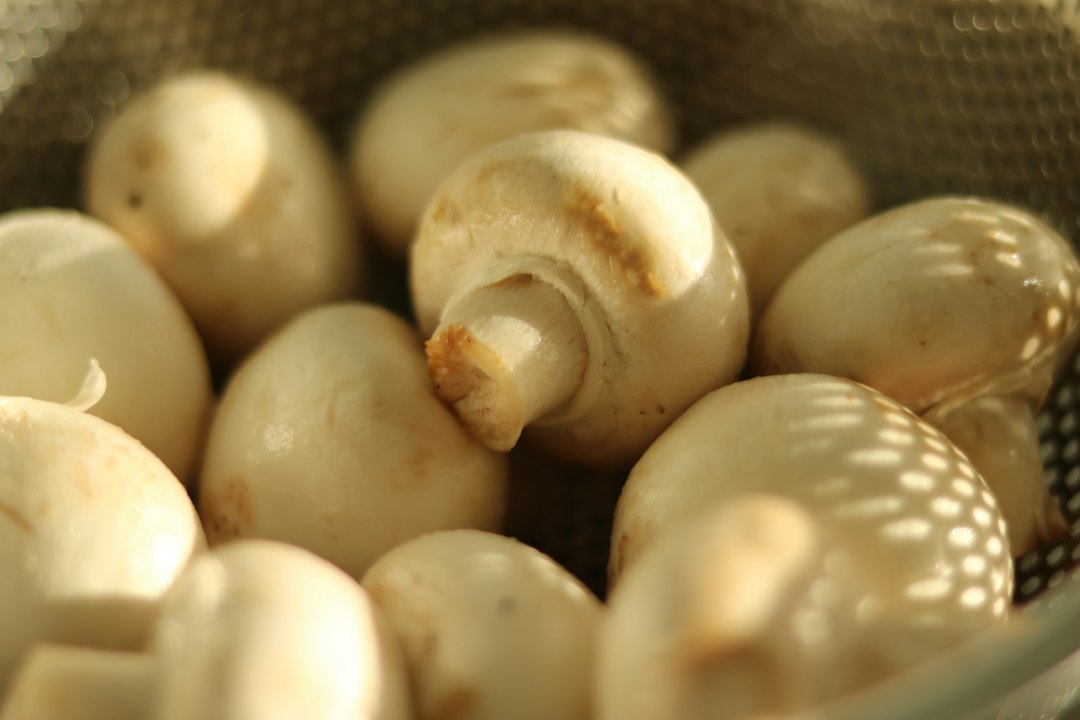
Can dogs have mushrooms? Yes, but only some. Plain, store bought mushrooms such as white button, cremini, and portobello are generally safe for dogs in small amounts. Wild mushrooms are a different story. Some are deadly, and you cannot tell safe from toxic by looking. If your dog eats a mushroom from the yard or a walk, treat it as an emergency until a vet says otherwise.
This guide shows which mushrooms are safe, which to avoid, how much to feed, and what to do if your dog eats a wild one. Use the portion calculator to get a safe serving for your dog’s weight, and keep the emergency steps handy.
Key Takeaways
- Plain store bought mushrooms are usually safe as an occasional treat.
- Never feed wild mushrooms. Even a small bite of some types can cause liver failure.
- Avoid mushrooms cooked with garlic, onion, butter, salt, or breading.
- Keep treats to about 10 percent of daily calories.
- Poisoning signs can start in 15 minutes or take 6 to 24 hours, so call a vet fast.
- Dogs do not need mushrooms for good nutrition.
Can Dogs Have Mushrooms?
It depends on the type and how it is served. Think of mushrooms in three groups.
| Group | Examples | Verdict |
|---|---|---|
| Plain store bought | Button, cremini, portobello, shiitake, oyster | Safe in small amounts, cooked and plain |
| Prepared or flavored | Garlic mushrooms, breaded, canned, creamy sauce | Avoid |
| Wild or lawn mushrooms | Death cap, fly agaric, false morel, unknown types | Dangerous, call a vet |
Are mushrooms good for dogs? They are low in calories and contain B vitamins, potassium, selenium, and antioxidants. Still, a balanced dog food already supplies what your dog needs, so mushrooms are a snack, not a necessity.
Which Store Bought Mushrooms Are Safe?
Grocery mushrooms are grown on farms and checked for human food safety. Serve them plain.
| Type | Safe? | Notes |
|---|---|---|
| White button | Yes | Mild, easy to chop |
| Cremini or baby bella | Yes | Cook lightly |
| Portobello | Yes | Remove the stem, cut small |
| Shiitake | Yes, cooked | Cook well, remove the tough stem |
| Oyster | Yes | Cook and chop small |
| Enoki | Yes, cooked | Chop short, easy to choke on |
| Lion’s mane and maitake | Yes, in small amounts | Cooked and plain |
| Canned or pickled | No | High in salt and additives |
| Dried | Use caution | Hard to digest, often seasoned |
| Garlic or breaded | No | Garlic is toxic to dogs |
Raw or Cooked Mushrooms for Dogs
Cooked is better. Heat breaks down tough cell walls, which makes mushrooms easier to digest. Raw button mushrooms are not poisonous, but they can upset a dog’s stomach.
- Wash the mushrooms and trim the stem ends.
- Steam, boil, or bake them with no oil, or a tiny drop of olive oil.
- Skip salt, butter, garlic, onion, herbs, and sauces.
- Cool and chop into small pieces to prevent choking.
- Mix a few pieces into regular food.
How Much Mushroom Can a Dog Eat?
Keep it small. Offer mushrooms once or twice a week at most, and start with a taste to check for stomach upset. Enter your dog’s weight for a rough serving size of plain, cooked, store bought mushrooms.
Dog Mushroom Portion Calculator
| Dog Size | Weight | Serving of Cooked Button Mushroom |
|---|---|---|
| Toy and small | Under 20 lb | Quarter to half of one small mushroom |
| Medium | 20 to 50 lb | 1 to 2 small mushrooms |
| Large | 50 to 90 lb | 2 to 4 small mushrooms |
| Giant | Over 90 lb | Up to 5 small mushrooms |
Paws and Facts Tip: Introduce any new food alone, on a day when nothing else is new. If your dog has loose stool or vomits, stop and talk to your vet.
Wild Mushrooms That Are Toxic to Dogs
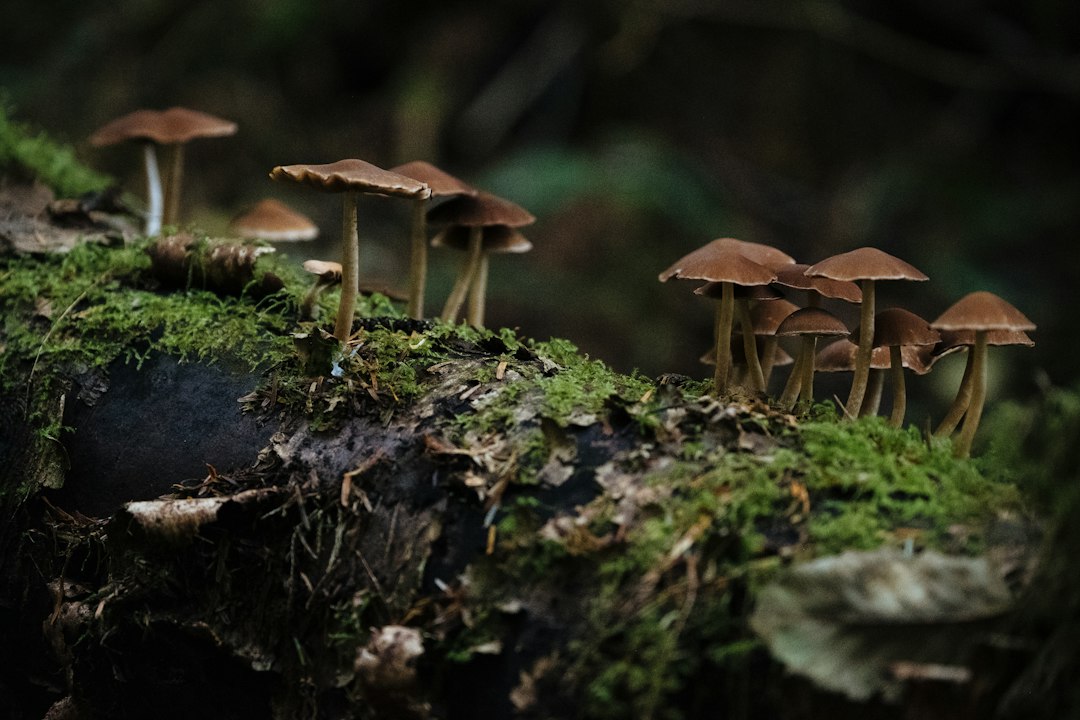
Most wild mushrooms are harmless or only upset the stomach, but a few are deadly. Even experts struggle to identify them, and dogs eat them by sniffing and gulping, often in seconds. Never wait to see if your dog is fine. Cooking does not make a poisonous mushroom safe.
| Mushroom | Main Danger | Signs Start |
|---|---|---|
| Death cap (Amanita phalloides) | Liver and kidney failure | 6 to 24 hours |
| Deadly galerina | Liver failure | 6 to 24 hours |
| Fly agaric and panther cap | Tremors, seizures, sedation | 15 minutes to 3 hours |
| Inocybe and Clitocybe types | Drooling, tears, diarrhea, slow heart rate | 15 minutes to 2 hours |
| False morel (Gyromitra) | Vomiting, diarrhea, rarely worse | A few hours |
Times are typical, not exact. The death cap is the most dangerous because dogs may seem to recover after the first stomach upset, then crash 1 to 3 days later as the liver fails.
Symptoms of Mushroom Poisoning in Dogs
| Body System | Signs |
|---|---|
| Stomach and gut | Vomiting, diarrhea, drooling, belly pain |
| Nerves and brain | Stumbling, tremors, seizures, confusion, coma |
| Liver | Yellow gums or eyes (jaundice), weakness, bleeding |
| Kidney | Heavy drinking, little urine, lethargy |
| Eyes and glands | Watery eyes, dilated pupils, heavy urination |
| Heart and lungs | Slow or fast heartbeat, trouble breathing, collapse |
What to Do If Your Dog Eats a Wild Mushroom
Act at once, even if your dog looks fine. Early treatment greatly improves the chance of recovery.
- Move your dog away and remove any mushrooms left in the area.
- Take a photo and, wearing gloves, collect a sample in a paper bag or damp paper towel. Do not use plastic.
- Note the time and about how much your dog ate.
- Call your vet, an emergency clinic, or a poison line right away. In the US, call the ASPCA Animal Poison Control Center at 888 426 4435 or Pet Poison Helpline at 855 764 7661. A consultation fee may apply.
- Do not induce vomiting unless a vet tells you to.
- Go to the clinic and bring the sample. Treatment may include induced vomiting, activated charcoal, IV fluids, and liver support.
How to Keep Your Dog Away From Mushrooms

- Check the yard daily, especially after rain, and pick mushrooms with gloves before your dog goes out.
- Use a leash in woods and parks, and keep your dog away from fairy rings and rotting wood.
- Teach leave it and drop it, and reward your dog for ignoring things on the ground.
- Consider a basket muzzle for dogs that eat anything outside.
- Compost carefully, since moldy food and compost can also be toxic.
Nutrition in Mushrooms: Do They Help Dogs?
Mushrooms are mostly water, with few calories and some useful minerals. That makes them a light treat for dogs that need to watch their weight. The numbers below are approximate values for 100 grams of raw white button mushrooms.
| Nutrient | Approximate Amount | Why It Matters |
|---|---|---|
| Calories | About 22 | Very low, suits weight control |
| Protein | About 3 g | Small contribution |
| Fiber | About 1 g | Supports digestion |
| Potassium | About 300 mg | Muscle and nerve function |
| Selenium | Small amount | Antioxidant support |
| B vitamins | Riboflavin, niacin | Energy and skin health |
Are mushrooms a good treat for dogs on a diet? They can be, since a few small pieces add flavor for almost no calories. But the benefits are modest. A complete dog food already covers vitamins and minerals, so do not feed mushrooms for health reasons alone. Claims about lion’s mane and reishi improving a dog’s brain or immune system are not well proven yet.
Common Mistakes Dog Owners Make
| Mistake | Why It Is a Problem | Better Choice |
|---|---|---|
| Sharing mushrooms from your dinner plate | Often cooked with garlic, onion, butter, or salt | Cook a plain portion just for your dog |
| Feeding foraged mushrooms | Easy to misidentify, and some are deadly | Buy from a grocery store only |
| Waiting to see if the dog gets sick | Worst toxins act late and damage the liver | Call a vet or poison line at once |
| Using a mushroom app to identify it | Apps get it wrong | Take the sample to the vet |
| Giving a large serving | Can cause gas, loose stool, or vomiting | Start with one or two small pieces |
| Using human supplement powders | Dose and ingredients may not suit dogs | Ask your vet about pet formulas |
Mushrooms in the Yard and on Walks
Mushrooms pop up after rain and humid weather, so late summer and fall are the riskiest months. They grow on lawns, mulch, rotting stumps, and in shady corners. Some form fairy rings, which are circles of mushrooms in the grass.
- Do not assume that mushrooms your dog ignored yesterday are safe today. New growth appears overnight.
- Do not rely on color or shape. Deadly types can look plain and brown or white.
- Remove mushrooms with gloves and a bag, then wash your hands.
- Rake leaves and reduce shade or damp spots, since fungi love moisture.
- Mulch and compost bins are common hiding places, so fence them off.
Special Cases: Puppies, Senior Dogs, and Health Conditions
Puppies: Skip mushrooms in young puppies. Their stomachs are sensitive and a small mistake in portion causes more trouble.
Dogs with liver, kidney, or digestive disease: Ask your vet first. Fiber and potassium can matter for these dogs.
Pregnant or nursing dogs: Stick to their regular balanced diet unless your vet suggests treats.
Allergies: A mushroom allergy is rare, but watch for itching, hives, swelling, or wheezing after a new food. Stop feeding it and call your vet.
Mushroom Supplements and Powders
Some pet products contain reishi, turkey tail, or lion’s mane. Talk to your vet before using them. Quality varies, and some human mushroom supplements include other ingredients that are not safe for dogs. Choose products made for pets, with clear labels and dosing.

Frequently Asked Questions
Can dogs have mushrooms every day? No. Offer a few small pieces once or twice a week at most, and keep treats under 10 percent of daily calories.
Can dogs eat cooked mushrooms? Yes, if they are plain and unseasoned. Cooked mushrooms are easier to digest than raw ones.
Can dogs eat raw mushrooms? Raw store bought mushrooms are not poisonous, but they are harder to digest and may upset the stomach. Cook them first.
Can dogs eat portobello mushrooms? Yes, in small amounts. Remove the stem and cut the cap into small pieces.
Can dogs eat garlic mushrooms? No. Garlic is toxic to dogs and can damage red blood cells.
My dog ate a mushroom but is acting fine. What now? Call a vet or poison line right away. Signs of the worst types can be delayed by many hours.
How long does it take for mushroom poisoning to show in dogs? Some types show signs in 15 minutes to 2 hours. Others, such as the death cap, take 6 to 24 hours.
Helpful Resources
- AKC guide to dogs and mushrooms
- ASPCA Animal Poison Control
- Pet Poison Helpline
- Purina guide to safe mushrooms
Related Guides
- Can Dogs Eat Aubergines?
- Can Dogs Eat Papaya?
- Can Dogs Eat Bones?
- Can Dogs Eat Guava?
- More dog food guides
Final Thoughts
So, can dogs have mushrooms? Plain, cooked, store bought mushrooms are fine as a small, occasional treat, but wild mushrooms are never worth the risk. Serve small portions without garlic, salt, or butter, keep your yard clear, and call a vet or poison line immediately if your dog eats something unknown outdoors.