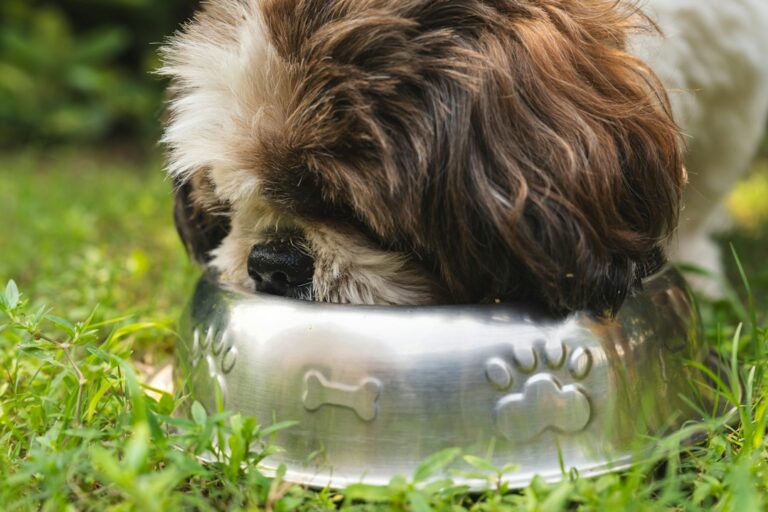
Canine Honey: Is It Safe for Dogs and How Much?

Canine honey is the name many people use for honey given to dogs, whether as a treat, a topper or a home remedy. We found no veterinary source that describes a special product called canine honey, so this guide covers ordinary honey and what dogs can safely have. We compared AKC, MetLife Pet Insurance, Spot and Tango and Pumpkin Pet Insurance, and checked xylitol facts with ASPCA Pro. Several of these pages disagree, so we show where.
Written by the Paws and Facts Editorial Team. We are not vets, so use this as general information and talk to your own veterinarian.
Key Takeaways
- Small amounts only. Honey is mostly sugar. MetLife quotes a vet saying most dogs can have about one teaspoon a day at most.
- Raw honey can carry botulism spores. Sources say not to give it to puppies or dogs with weak immune systems.
- Avoid it for diabetic and overweight dogs. AKC, MetLife and Spot and Tango all say so.
- Check the label. Honey products with added sweeteners or xylitol are not safe. Xylitol can cause low blood sugar and liver failure.
- Health claims are weak. AKC says few conclusive studies support benefits for allergies or sore throats.
- Too much can upset the stomach. Vomiting, diarrhea or low appetite means stop and call your vet.
Photos on this page are for illustration only.
Canine Honey: Is It Safe for Dogs?
AKC says honey is generally safe for dogs in small quantities, and Spot and Tango calls it safe for healthy adult dogs as a sugar dense treat, not a supplement. The safe answer depends on the dog and the honey.
DO
- Use plain, pure honey with no added ingredients
- Give a tiny amount and count it as a treat
- Ask your vet first if your dog has any health condition
- Brush your dog teeth after sweet treats, as AKC suggests
DO NOT
- Give raw honey to puppies or dogs with weak immune systems
- Give honey to diabetic or overweight dogs
- Use honey flavored syrups, spreads or candy that may contain xylitol
- Use honey as a replacement for veterinary care
Risks of Canine Honey
| Risk | What the sources say |
|---|---|
| High sugar | Can lead to weight gain and, per Spot and Tango, dental decay and insulin resistance. AKC also warns about tooth decay |
| Botulism spores | Raw honey may contain them. AKC, MetLife and Spot and Tango say puppies and dogs with weak immune systems should not get raw honey |
| Diabetes and obesity | AKC, MetLife and Spot and Tango all say to avoid honey for these dogs |
| Allergic reaction | Pumpkin lists itching, watery eyes, hives, vomiting, facial swelling or sneezing after a first taste as signs to watch for |
| Too much at once | Spot and Tango and Pumpkin say vomiting, diarrhea or loss of appetite can follow. Call your vet if it happens |
| Xylitol in other products | Not in plain honey, but present in many sugar free products (see below) |

Honey Serving Estimator
Use this tool for a rough ceiling for a healthy adult dog. It follows the size table published by Spot and Tango and only answers for healthy adult dogs.
Maximum honey per serving
Formula: pick the weight band, then show its maximum serving. Up to 10 lb: 1/8 to 1/4 teaspoon. 11 to 20 lb: 1/4 to 1/2 teaspoon. 21 to 50 lb: 1/2 to 3/4 teaspoon. 51 to 90 lb: up to 1 teaspoon. Over 90 lb: 1 teaspoon. Spot and Tango suggests small dogs get it only a few times a week. Limits: these bands come from one company, not a vet study. Puppies, diabetic or overweight dogs and dogs with health conditions get no estimate. Use plain honey only. Estimate only, not veterinary advice.
How Much Honey Can a Dog Have?
Sources give different advice, so treat all numbers as upper limits and start smaller.
| Source | What it says |
|---|---|
| AKC | Talk to your vet about how much is okay. Less is better, especially for small breeds |
| MetLife Pet Insurance | Quotes Kristin Wuellner, DVM (via Daily Paws): most dogs can have one teaspoon a day. Check with a vet first |
| Spot and Tango | Suggests a size table up to 1 teaspoon and says a few times a week is the better default. This is a company page and does not name a vet reviewer |
| Pumpkin Pet Insurance | A teaspoon is generally considered safe. Large dogs can have a little more but should not be overfed |
The daily teaspoon figures are ceilings, not targets. Honey should never become a real part of the diet.
Can Puppies Have Honey?
AKC, MetLife Pet Insurance and Pumpkin Pet Insurance all say raw honey should not go to puppies, because it may contain botulism spores and a puppy immune system is still developing. Spot and Tango goes further and suggests waiting until about 12 months, and says pasteurized honey adds little for a growing puppy. Ask your vet before giving any honey to a puppy.
Does Honey Help Dogs?
Many pages list honey as a remedy for allergies, coughs or sore throats. The evidence is thin. AKC says few conclusive studies support these claims, that raw honey might help with pollen allergies but this is not guaranteed or likely, and that a small amount may be a tasty distraction for a sore throat but you should see a vet to find the cause. Spot and Tango says allergy evidence is weak and that no controlled canine studies exist for coughs, so a coughing dog needs a veterinary diagnosis first.
How to Serve Honey Safely
Choose plain honey with no added sweeteners. Check the label for xylitol or other additives.
Offer a small taste once and watch for itching, hives, vomiting or facial swelling, as Pumpkin advises.
Count it as a treat, not a daily habit. Spot and Tango suggests a few times a week at most.
Spread a little on a lick mat or stir it into plain food rather than feeding it from the jar.
AKC suggests brushing teeth after honey because sugar can cause decay.

Honey Products With Xylitol Are Dangerous
Plain honey does not contain xylitol, but many sugar free spreads, gums, mints and baked goods do. ASPCA Pro says xylitol can cause serious, even life threatening, signs in dogs, including a drop in blood sugar and, in some cases, liver failure. Vomiting is usually the first sign, followed by weakness, wobbling, collapse or seizures. Never use a product that lists xylitol, and call your vet or the ASPCA Poison Control line at (888) 426 4435 right away if your dog eats one.
If Your Dog Ate Too Much Honey
A big dose of honey is mostly a sugar load. Spot and Tango and Pumpkin Pet Insurance say vomiting, diarrhea or loss of appetite can follow, and Pumpkin advises calling a vet if they appear. Offer water and watch your dog. Contact your vet sooner if your dog is small, has diabetes, is a puppy, or ate honey mixed with other ingredients.
Related Dog Food Guides
- Can dogs eat papaya?
- Can dogs have pineapple?
- Can dogs eat guava?
- Can dogs eat avocado?
- Can dogs have mushrooms?
- Are dogs omnivores?
Sources We Checked
- AKC: Can Dogs Eat Honey?
- MetLife Pet Insurance: Can Dogs Have Honey?
- Spot and Tango: Can Dogs Eat Honey?
- Pumpkin Pet Insurance: Can Dogs Have Honey?
- ASPCA Pro: Xylitol
Frequently Asked Questions
Can dogs eat honey?
Yes, most healthy adult dogs can have a small amount of plain honey now and then. Ask your vet first, and avoid it for puppies, diabetic or overweight dogs and dogs with weak immune systems.
How much honey can a dog have?
MetLife quotes a vet saying most dogs can have about one teaspoon a day. Spot and Tango suggests smaller amounts for small dogs and says a few times a week is better. Treat these as ceilings and ask your vet.
Can puppies have honey?
Sources say raw honey should not be given to puppies because of possible botulism spores. Spot and Tango suggests waiting until about 12 months. Ask your vet.
Is raw honey safe for dogs?
Raw honey may contain botulism spores. AKC, MetLife and Spot and Tango say it is not suitable for puppies or dogs with weak immune systems.
Can diabetic dogs have honey?
No. AKC, MetLife and Spot and Tango all say to avoid honey for diabetic dogs because of the sugar.
Does honey help a dog with allergies or a cough?
The evidence is weak. AKC says few conclusive studies support these claims, and Spot and Tango says no controlled canine studies exist for coughs. See your vet.
Is honey with xylitol safe for dogs?
No. Xylitol can cause low blood sugar and liver failure in dogs. Call your vet or the ASPCA Poison Control line at (888) 426 4435 if your dog eats a product with xylitol.
What if my dog ate a lot of honey?
Expect possible vomiting, diarrhea or low appetite. Offer water, watch your dog and call your vet if signs appear or if your dog is small, a puppy or diabetic.
Final Thoughts
Canine honey, meaning plain honey given to a dog, can be an occasional treat for a healthy adult dog if you keep the amount tiny, choose pure honey and avoid any product with xylitol. Skip it for puppies, diabetic or overweight dogs and dogs with weak immune systems, and talk to your vet before you try canine honey for allergies, coughs or wounds.