Can Dogs Eat Fruit? Safe and Toxic Fruits List
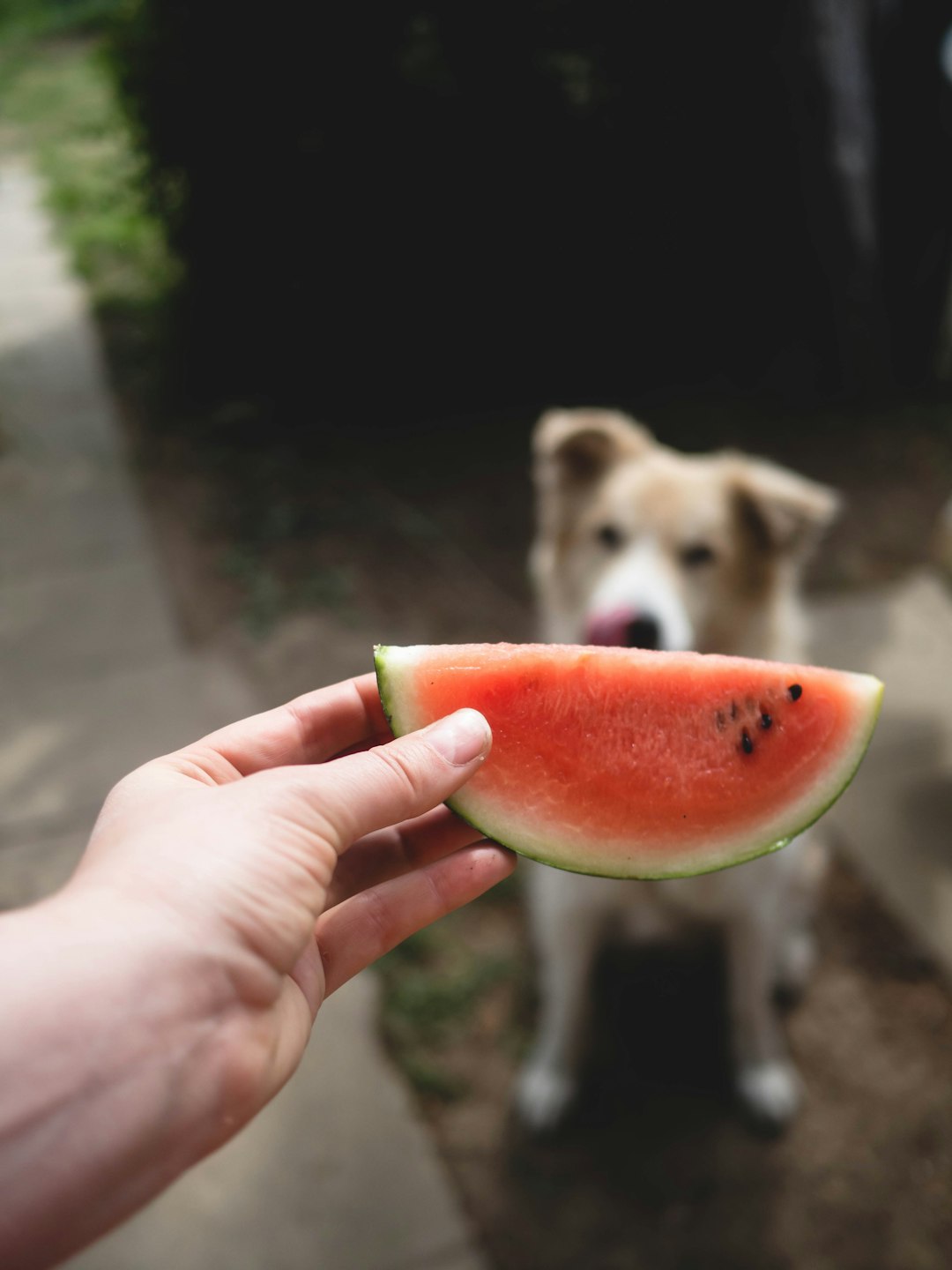
Can dogs eat fruit? Usually yes, but the answer depends on the fruit, how you prepare it and your dog’s health. Some fruits are harmless treats, and a few can cause serious harm. We compared PureWow, Blue Cross, Nutro, Allstate, AKC and the ASPCA to build one clear list. Where the sources disagree, we say so.
Written by the Paws and Facts Editorial Team. We are not vets, so check with your own veterinarian, especially for puppies and dogs with health conditions.
Key Takeaways
- Safe in small amounts: apples, bananas, blueberries, strawberries, watermelon, mango, pineapple and others, when prepared properly.
- Never feed grapes, raisins or currants. The AKC says no safe dose is known and a suspected ingestion is an emergency.
- Remove seeds, pits, rinds, peels and stems. Several sources warn about cyanide, choking and blockage.
- Fruit is a treat. Dr. Terry Fossum, quoted by PureWow, says treats should be no more than 10% of the diet.
- Watch the sugar. Sources say to avoid some fruits for diabetic, overweight or pancreatitis prone dogs.
- Skip dried, canned and sweetened fruit. Added sugar or xylitol can cause problems.
Photos on this page are for illustration only.
Can Dogs Eat Fruit?
Yes, in moderation. Allstate says fruit should be an occasional treat and that treats, including fruit, should be about 10% of daily calories, citing the American Kennel Club. Nutro says fruit should never replace complete dog food. Blue Cross says fruit and vegetables should only make up a small amount of the daily diet and to ask your vet for amounts.
Start with a small piece of any new fruit and watch for vomiting, diarrhea or itching. Wash fruit and remove anything inedible before you share it.
Fruits Dogs Can Eat
This list follows the preparation advice in the sources. Quantities are not given here because sources do not agree on them, so ask your vet.
| Fruit | How to serve | Extra notes |
|---|---|---|
| Apple | Remove core, seeds and stem, then slice | Skip sweetened applesauce. Blue Cross says a couple of swallowed pips are unlikely to cause problems, but PureWow vet Dr. Cassibry says never feed seeds |
| Banana | Peel, then mash or cut into bite sized pieces | High in sugar, so treat sparingly |
| Blueberries | Wash well. Mash for toy breeds | Avoid products sweetened with xylitol (Allstate) |
| Strawberries | Wash, remove stems and leaves, chop | Skip canned fruit in syrup |
| Watermelon | Remove rind and seeds, then cube | Nutro says the rind can cause blockage or choking |
| Cantaloupe and honeydew | Remove rind and seeds, then chop | PureWow says to avoid cantaloupe for diabetic or overweight dogs |
| Mango | Remove skin and pit | PureWow says avoid for dogs with diabetes or pancreatitis |
| Pineapple | Fresh, peeled and cored | Avoid canned pineapple with added sugar. See our pineapple guide |
| Papaya | Flesh only, no rind or seeds | See our papaya guide |
| Kiwi | Peel, then chop or mash. Never serve whole | From PureWow |
| Pears and peaches | Remove pits and stems. Peel pears. Choose fresh over canned | Pits can be a hazard |
| Oranges | Flesh only, no peel, rind or seeds | PureWow says avoid for dogs with diabetes or pancreatitis |
| Coconut flesh | Small bites, introduced slowly | Skip coconut water and dried coconut (PureWow). The ASPCA says coconut oils may upset the stomach |

Fruits Dogs Should Not Eat
| Fruit or product | Why it is a problem |
|---|---|
| Grapes and raisins | Can cause kidney failure. The AKC says the toxin is unknown and gives no safe amount |
| Currants | Nutro lists them as toxic and related to grapes |
| Cherries and plums | PureWow says the pits contain cyanide and cherries are a choking hazard |
| Avocado | Nutro and PureWow say to avoid it because of persin. The ASPCA says the main danger is to other species, so risk to dogs is less clear. See our avocado guide |
| Lemons, limes and grapefruit | PureWow says they are too acidic. The ASPCA says citrus in small amounts usually causes only minor stomach upset |
| Tomato plant parts | Blue Cross says ripe flesh is fine but leaves, stems and green tomatoes are not. Nutro advises avoiding all tomatoes, so sources disagree |
| Dried, canned or sweetened fruit | Added sugar. Allstate also warns about xylitol in some products |
Fruit Treat Budget Calculator
This tool turns the 10% treat guideline into a calorie budget. It does not tell you how much of a specific fruit to feed.
Daily treat calorie budget
Formula: treat budget = daily calories x 0.10. Calories left for fruit = treat budget minus other treats. The 10% figure is a guideline quoted by Dr. Terry Fossum (PureWow) and by Allstate citing the AKC. Limits: it ignores your dog weight, age and health. Never use it for grapes, raisins or currants, which are unsafe at any amount. Ask your vet if your dog has diabetes, pancreatitis or a weight problem. Estimate only, not veterinary advice.
How Much Fruit Is Too Much?
Sources give no safe amount for each fruit, so use the 10% treat guideline and your vet advice. Nutro says fruit should be occasional, and Blue Cross says it should only be a small part of the diet. Too much fruit can bring extra sugar and calories, and sometimes loose stools. Count fruit with all other treats.
How to Prepare Fruit for Dogs
Wash all fruit well. Allstate says to wash and remove seeds, pits, stems, leaves and other inedible parts.
Take out pits, seeds, cores, rinds, peels and stems.
Chop or mash into bite sized pieces. PureWow says never to serve kiwi whole.
Offer a small piece and watch for stomach upset or itching.
Skip dried, canned, sweetened or syrup packed fruit.

Fruit for Dogs With Health Conditions
PureWow says to avoid cantaloupe for diabetic or overweight dogs, and to avoid mango and oranges for dogs with diabetes or pancreatitis. If your dog has a health condition, is a puppy or is senior, ask your vet before adding fruit.

If Your Dog Ate Something Toxic
The ASPCA advises noting the amount eaten and calling your vet.
ASPCA Poison Control is (888) 426 4435, and the AKC mentions Pet Poison Helpline for guidance.
The AKC says not to use hydrogen peroxide at home for grapes. Follow your vet.
Vomiting, diarrhea, lethargy, extreme thirst or little urine can follow grape exposure, per the AKC.
Related Dog Food Guides
- Can dogs have pineapple?
- Can dogs eat papaya?
- Can dogs eat guava?
- Can dogs eat avocado?
- Can dogs eat aubergines?
- Are dogs omnivores?
Sources We Checked
- PureWow: What fruits can dogs eat, according to veterinarians
- Blue Cross: Can dogs eat apples, grapes and other fruit and veg
- Nutro: What fruits can dogs eat
- Allstate: What fruits can dogs eat
- AKC: Can dogs eat grapes
- ASPCA: People foods to avoid feeding your pets
Frequently Asked Questions
Can dogs eat fruit every day?
Sources say fruit should be an occasional treat. Treats in total should be about 10% of daily calories, so ask your vet what suits your dog.
What fruits can dogs eat?
Prepared apples, bananas, blueberries, strawberries, seedless watermelon, mango, pineapple, papaya, kiwi, peaches, pears and oranges, in small pieces without seeds, pits, rinds or peels.
What fruits are toxic to dogs?
Grapes, raisins and currants are the most serious. Sources also say to avoid cherry and plum pits, avocado, and sweetened fruit with xylitol.
Can dogs eat fruit seeds and pits?
No. PureWow quotes a vet who says never to feed seeds, and sources warn that some pits contain cyanide or can cause choking.
Is canned or dried fruit safe for dogs?
Sources say to skip it because of added sugar. Allstate also warns about xylitol in some sweetened products.
Can diabetic dogs eat fruit?
Ask your vet. PureWow says to avoid cantaloupe for diabetic dogs and mango and oranges for dogs with diabetes or pancreatitis.
What should I do if my dog ate grapes?
Call your vet or ASPCA Poison Control at (888) 426 4435 right away. The AKC says treat it as an emergency and do not induce vomiting at home with hydrogen peroxide.
Can puppies eat fruit?
We found no puppy specific limits in our sources. Ask your vet before giving fruit to a puppy.
Final Thoughts
So, can dogs eat fruit? Yes, many fruits make safe occasional treats when you wash them, remove seeds, pits and rinds, cut them small and keep the amount low. Never give grapes, raisins or currants, check labels for added sugar and xylitol, and talk to your vet before you change your dog’s diet.