Dog Ate Chicken Bones? What to Do Now

By the Paws and Facts Editorial Team. This guide is general education from published veterinary sources and is not a diagnosis. We are not a veterinary clinic.
If your dog ate chicken bones, the first few minutes matter less than the next few days. Most dogs pass a small piece without trouble, but a sharp fragment can lodge in the throat or gut. This guide gives you the exact steps to take now, the warning signs to watch, and what a vet may do.
Whether the bone was cooked or raw, call a vet for advice quickly. Details such as your dog’s size, the bone type and how much was eaten change how urgent it is. Use the quick check tool below if you are not sure.
Key Takeaways
- Call your vet or an emergency clinic for advice, even if your dog looks fine.
- Do not make your dog vomit at home unless a vet tells you to. A bone can splinter on the way back up.
- Choking, repeated vomiting, a painful belly or black stool mean go to an emergency vet now.
- Watch your dog closely for 72 hours, as several vet sources advise.
- Skip laxatives and home remedies. The American Kennel Club says there are no effective home remedies for a blockage.
Dog Ate Chicken Bones? What to Do Right Now
Stay calm and act in this order. Speed and clear information help your vet more than guesswork.
- Check your dog’s mouth and breathing. If your dog is choking, pawing at the mouth or struggling to breathe, go to an emergency vet immediately.
- Remove access. Take away any remaining bones and shut the bin or counter area.
- Write down the details: bone type (cooked, raw, fried, a wing or a leg), how much, when, and your dog’s weight.
- Call your vet or the nearest emergency clinic. Share those details and follow their advice.
- Do not induce vomiting yourself. Vet reviewed guides, such as Dogster, warn that bones can splinter on the way back up. Only do it if a vet directs you.
- Do not give laxatives or home remedies. AKC states no home remedy reliably clears an obstruction.
Drooling, gagging, repeated swallowing, difficulty breathing or collapse can mean a bone is stuck in the throat or esophagus. Go to an emergency vet now.
Why Chicken Bones Are a Risk
Bones are the most common foreign body in a dog’s esophagus, according to the Merck Veterinary Manual. Cornell University’s vet college lists gastrointestinal obstruction as an emergency that often needs surgery. Vets commonly warn that cooked bones can splinter into sharp pieces, and raw bones are not risk free either, since they can still cause choking or a blockage.
| Possible problem | Where it happens | Why it matters |
|---|---|---|
| Choking | Throat or airway | Can block breathing, needs help at once |
| Stuck bone | Esophagus | Merck says it should be removed as soon as it is diagnosed |
| Blockage | Stomach or intestines | Cornell calls obstruction an emergency, surgery is often needed |
| Tooth damage | Mouth | Cornell notes bones can break teeth |
| Gut injury | Stomach or intestines | Cornell notes bones can cause serious gastrointestinal damage |
Quick Emergency Check Tool
Answer four questions to get a cautious next step. This is a planning aid, not a diagnosis, and it cannot replace a vet. It never says “safe”. Rule used: any red flag sign gives an emergency result. A small dog, a puppy, a cooked bone or more than one piece gives a call now result. Everything else still gives a call your vet result.
What to Watch in the Next 72 Hours
Vet sources differ slightly on the monitoring window. Dogster, The Labrador Site and a veterinary hospital guide we reviewed suggest 48 to 72 hours. AKC says surgery is generally needed if an object does not pass within 36 hours or stays in one place for more than 8 hours.
| Time | What to do |
|---|---|
| First hour | Call the vet, collect details, remove access |
| First 24 hours | Offer normal water, watch appetite, energy and belly comfort |
| 24 to 72 hours | Check stools for bone pieces, blood or black color, keep watching behavior |
| After 72 hours | If all signs stayed normal, tell your vet at the next visit. Call sooner if anything changes |
Warning Signs and What They Mean
| Sign | What it may mean | Action |
|---|---|---|
| Drooling, gagging, repeated swallowing | Stuck bone in throat or esophagus (Merck) | Emergency vet now |
| Repeated vomiting | Possible blockage (AKC) | Same day vet care |
| Painful belly or prayer position | Pain or obstruction (AKC) | Emergency vet now |
| Loss of appetite, lethargy | Possible obstruction (Cornell) | Call your vet |
| Bloody or black stool | Possible internal irritation | Call your vet now |
| Retching with a swelling belly | Bloat warning (AKC) | Nearest emergency vet |

What Not to Do
- Do not induce vomiting. Dogster and Whole Dog Journal both advise against it, because a bone can splinter or lodge on the way up.
- Do not use laxatives or oils. AKC says no home remedy reliably clears a blockage.
- Do not wait for signs. A dog can look normal while a fragment moves through the gut.
- Do not assume a small piece is harmless. Size, bone type and your dog’s weight all matter.
Some articles suggest plain bread or canned pumpkin to cushion a bone. Sources disagree, and Cornell and AKC do not recommend it. Ask your vet before feeding anything.
What a Vet May Do
Cornell explains that vets diagnose a foreign body from your history, a physical exam, X rays or ultrasound, and bloodwork. Treatment depends on where the bone is.
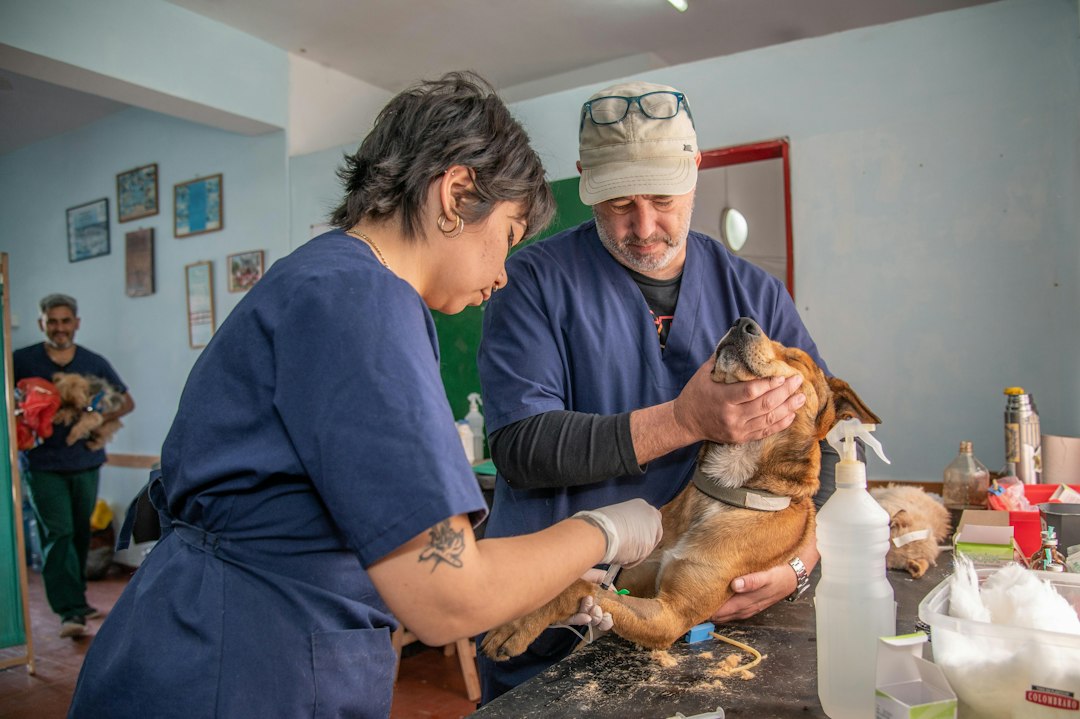
- Observation: for a small piece with no signs, your vet may advise watching at home.
- Endoscopy: a camera retrieves objects from the esophagus or stomach under anesthesia. Merck says most esophageal bones are removed this way.
- Surgery: Cornell says most obstructions need surgery to open the stomach or intestine.
- Supportive care: IV fluids, anti nausea medicine, pain relief and antibiotics may be given.
Cost varies a lot. AKC gives about $2,000 to $8,000 for blockage surgery and about $800 to $5,000 for foreign body ingestion overall, depending on insurance and the case. Ask for an estimate when you call.
Small Dogs, Puppies and Other Bones
Puppies and small dogs have narrower throats and intestines, so the same piece is a bigger problem for them. PetMD also flags puppies as higher risk. Turkey, pork and rib bones follow the same safety rules: call your vet and watch for signs. Our guide on whether dogs can eat bones covers safer chewing in more detail.
How to Prevent It Next Time
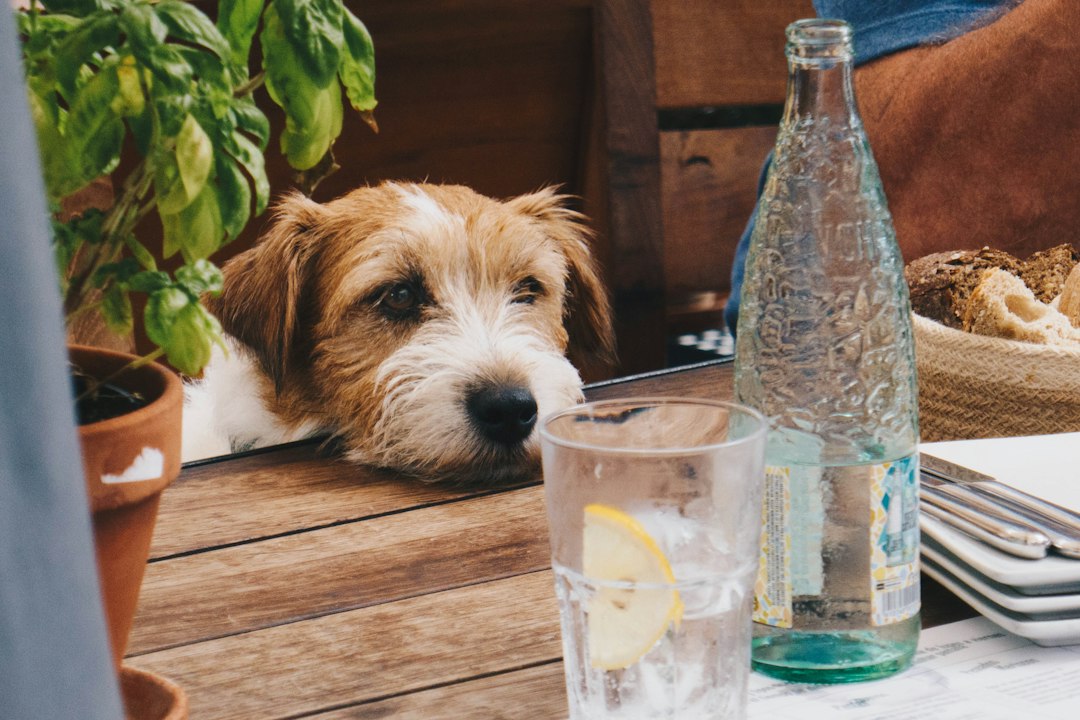
- Use a bin with a locked lid and keep leftovers off the counter.
- Be extra careful at holidays and barbecues, when guests may drop food.
- Train a firm leave it command and supervise at mealtimes.
- Cornell lists basket muzzle training for dogs that scavenge.
- Choose chews that bend and can be dented with a fingernail, as Cornell suggests, and always supervise.
What to Tell Your Vet
- Your dog’s weight and age
- Bone type: cooked, raw, fried, wing, leg or other
- How much and when it was eaten
- Any signs so far, plus past stomach problems
- Anything you have already given your dog
Common Myths
| Myth | Fact |
|---|---|
| Dogs digest bones, so it is fine | Bones can lodge or cut. Merck lists them as the top esophageal foreign body |
| No signs means no problem | Signs can appear later, so keep watching and call your vet |
| Bread fixes it | Sources disagree and it is not a proven fix |
| Vomiting is the safe way out | Vets warn that bones can splinter coming back up |
How Vets Judge How Urgent It Is
When you call, the vet will usually ask a few questions to decide whether to see your dog now or let you monitor at home. Knowing the answers in advance saves time on a stressful day.
| Question | Why it matters |
|---|---|
| How big is your dog? | A small dog or puppy has narrower passages, so the same piece is a bigger risk |
| Was the bone cooked, raw or fried? | Cooked bones are widely warned about because they can splinter |
| How much was eaten? | More pieces or a whole wing raises the chance of a blockage |
| When did it happen? | Time since eating helps the vet decide when to image or watch |
| Are there any signs yet? | Vomiting, pain or drooling point toward an urgent exam |
While You Wait for Advice
- Keep your dog calm and quiet and away from other food.
- Do not force your dog to eat or drink anything unusual.
- Keep your phone nearby and note the time of any vomiting or odd behavior.
- Take a photo of the leftover bones or packaging if you can, so the vet can judge the type and size.
- Plan the trip to the clinic early if your dog is in a high risk group.
Do not feel guilty. This is one of the most common kitchen accidents, and fast action is what counts. Even if your dog seems perfectly happy, a short phone call costs little compared with treating a blockage late.
Frequently Asked Questions
Will my dog be okay after eating a chicken bone?
Many dogs pass a small piece without trouble, but it is not guaranteed. Call your vet for advice and watch closely for 72 hours.
Should I make my dog throw up?
No, not unless a vet tells you to. Vet reviewed sources warn that a bone can splinter or lodge on the way back up.
How long does a chicken bone take to pass?
There is no fixed time. AKC says surgery is generally needed if an object does not pass within 36 hours or stays in one place for more than 8 hours.
Are cooked chicken bones worse than raw?
Vets commonly warn that cooked bones can splinter. Raw bones are not risk free, so call your vet for either.
What signs mean an emergency?
Choking or gagging, repeated vomiting, a painful or swollen belly, bloody or black stool, weakness or collapse need an emergency vet now.
Can I give bread or pumpkin?
Sources disagree and Cornell and AKC do not recommend it as a fix. Ask your vet before feeding anything.
How much does treatment cost?
AKC gives about $2,000 to $8,000 for blockage surgery and about $800 to $5,000 for foreign body ingestion overall, depending on insurance.
Is a puppy at higher risk?
Yes. Puppies and small dogs have narrower passages, and PetMD flags puppies as higher risk. Call a vet right away.
Helpful Resources
- Cornell: gastrointestinal foreign body obstruction in dogs
- Merck Veterinary Manual: esophageal foreign bodies
- AKC: intestinal blockage in dogs
- Cornell: bone treat warning explained
Related Guides
Final Thoughts
If your dog ate chicken bones, stay calm, remove access, call your vet and do not induce vomiting. Watch closely for 72 hours and head to an emergency vet at the first red flag sign.