American Mastiff: Size, Temperament, Health, Cost
The American Mastiff is a giant, gentle dog developed in the United States from the English Mastiff. It was bred to keep the size and calm nature of the Mastiff, but with fewer health problems and a drier mouth. It makes a loyal, protective family companion, but it needs a lot of space, early training, and a budget for a giant breed.
This guide covers the breed’s history, size, temperament, health risks, and real costs. You will also see how it differs from the English Mastiff, which health tests to ask for, and how to find a healthy puppy.
Key takeaways
- Size: 28 to 36 inches tall and about 110 to 200 pounds. Males are the biggest.
- Temperament: Calm, loving, loyal, and protective. Gentle with family, watchful with strangers.
- Exercise: Low energy. About 30 to 60 minutes of gentle exercise a day.
- Lifespan: Most guides say 10 to 12 years, but some give 7 to 11, so plan for the shorter end.
- Health: Watch for hip and elbow dysplasia, bloat, heart disease, and bone cancer.
- Cost: A breeder puppy is often $1,500 to $4,500, and yearly care is about $2,100 to $3,900.
- Not for: Apartments, hot climates without cooling, or first time owners who cannot handle a giant dog.
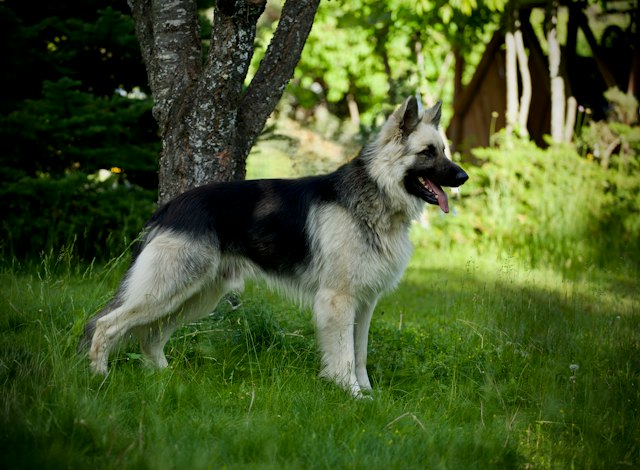
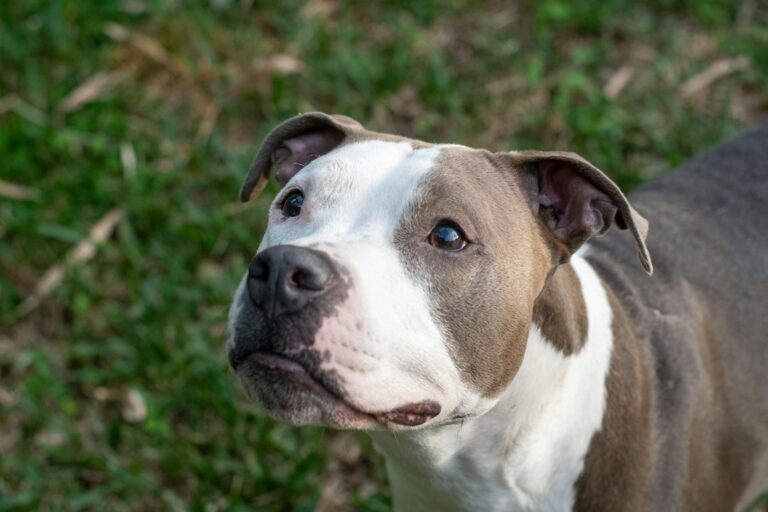
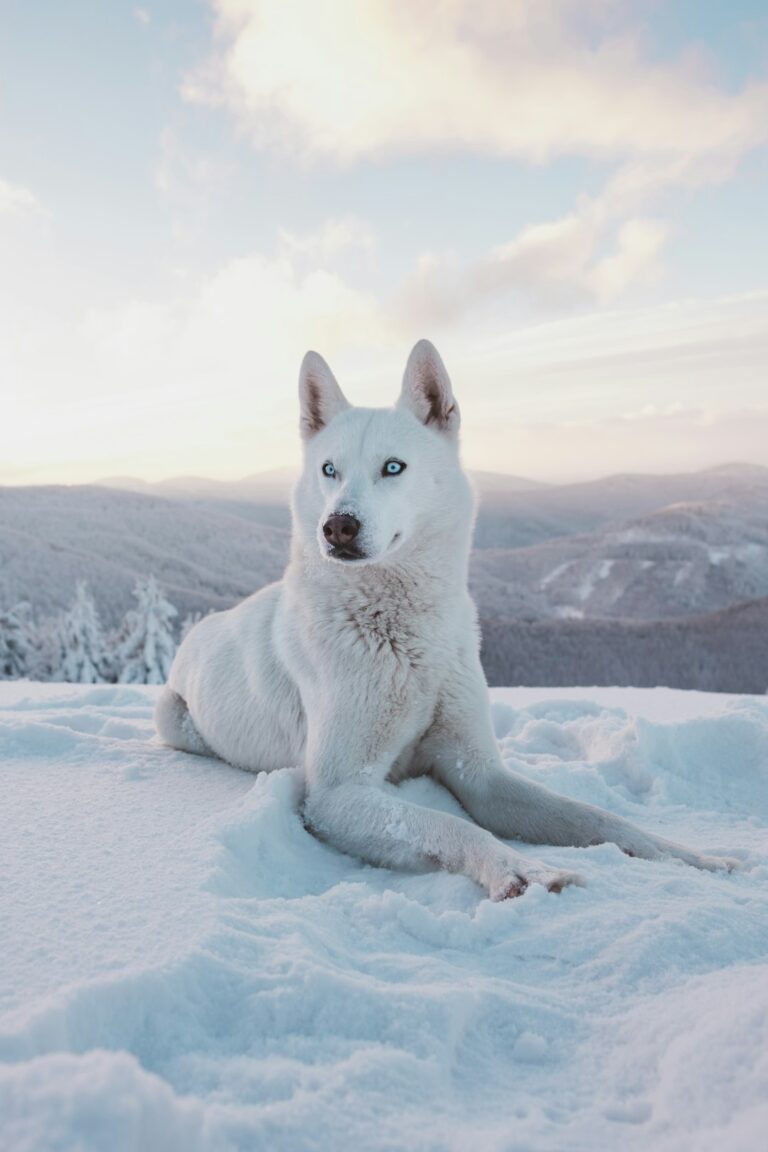
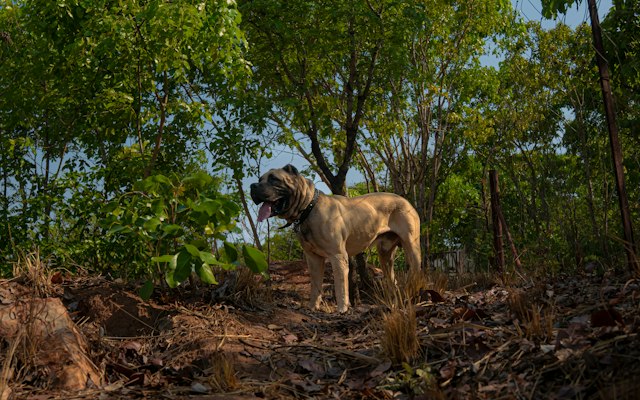
Photo note: the photos in this guide are stock pictures of large dogs. They show the size and lifestyle, but they are not always this exact breed.
What is an American Mastiff?
The American Mastiff was developed over many years by Fredericka Wagner of Flying W Farms in Piketon, Ohio. Her goal was a dog with the size and gentle nature of a Mastiff, but with fewer health problems and less drool. Here are the key facts about its origin:
- Parent breeds: The English Mastiff crossed with an Anatolian dog. The Continental Kennel Club says Anatolian Mastiff, while most other sources say Anatolian Shepherd.
- Mix: Sources say about 7/8 English Mastiff and 1/8 Anatolian Shepherd, or 15/16 and 1/16. The share varies by breeder.
- Name: Wagner filed a trademark for “American Mastiff Dog” in December 1995. Fans also call the breed AmMas.
- Recognition: The Continental Kennel Club recognized it as a purebred in January 2000. The American Kennel Club does not recognize it.
- Goal: A calm giant that drools less, lives longer, and has fewer joint problems than the English Mastiff.
Keep in mind that “fewer problems” is the breeder’s goal, not a promise. This is a very large breed, and giant dogs share many health risks, which we cover below.
Mastiff names that cause confusion
Many dogs have “American” and “Mastiff” in their names, so check what a seller really means before you buy.
| Name | What it is |
|---|---|
| American Mastiff (Flying W) | The Ohio breed made from the English Mastiff and an Anatolian dog. Recognized by the Continental Kennel Club. |
| English Mastiff | The old British breed, called simply the Mastiff by the AKC. It is the main parent of the Flying W dog. |
| American Bandogge Mastiff | A different type of dog, listed at 25 to 29 inches and 85 to 140 pounds. It is smaller and not the same breed. |
| Panja Mastiff | An older source describes this as a second line that used the American Mastiff name, with a reputation for being less suited to children. It is not the Flying W breed. |
Quick facts
| Trait | Typical range |
|---|---|
| Origin | United States (Ohio) |
| Height | 28 to 36 inches (71 to 91 cm) |
| Weight | About 110 to 200 pounds (50 to 91 kg) |
| Lifespan | 10 to 12 years in most guides, 7 to 11 in some |
| Coat | Short and smooth, or a longer fluffy coat |
| Colors | Fawn (light to apricot) or brindle, with a black mask |
| Energy | Low |
| Exercise | About 30 to 60 minutes a day |
| Shedding | Moderate |
| Barking | Rare, deep when it happens |
| Guarding instinct | Strong, but quiet |
| Registry | Continental Kennel Club (not AKC) |
Size, weight, and looks
This is a giant dog, and sources do not fully agree on the numbers. The breed club standard lists the biggest figures, while an older rescue page lists smaller ones. Use these as a range, not a rule:
| Source | Males | Females |
|---|---|---|
| Continental Kennel Club standard | 32 to 36 inches, 160 to 200 lb | 28 to 34 inches, 140 to 180 lb |
| Lemonade breed guide | 28 to 36 inches, 140 to 200 lb | 28 to 36 inches, 110 to 160 lb |
| Gentle Giants Rescue (older page) | 100 to 140 lb | 80 to 110 lb |
The pup grows taller until about age 2, then keeps filling out in the chest and body until age 3 or 4. Here is what to expect for looks:
- Head: Broad and rectangular with a blunt muzzle. The standard asks for a clean head without heavy wrinkles or excess skin.
- Mask: A black mask over the whole muzzle and around the eyes.
- Colors: All shades of fawn, from light to apricot, or brindle.
- Coat types: A short, smooth, glossy coat, or a fluffier long coat with feathering on the ears, legs, and tail.
- Ears and tail: Small to medium V shaped drop ears, and a thick tail that tapers to the tip.
- Puppies: Pups are born with dark fur that lightens as they grow.
Temperament and personality
The breed standard describes a mix of grandeur, good nature, and gentleness. A well trained dog is calm, confident, and patient with family, especially children. It is not meant to be shy or vicious. It will defend its family if needed, but it usually warns first.
| Trait | What to expect |
|---|---|
| With family | Deeply loyal and affectionate. |
| With children | Patient and gentle, but supervise because of its huge size. |
| With strangers | Calm but watchful. |
| With other dogs | Usually fine when socialized. |
| Guarding | Strong. Its size alone often deters people, and it guards quietly. |
| Alone time | Can handle some, but it still wants its people close. |
| Prey drive | Low. |

Training and socialization
These dogs are smart and want to please, so training is usually smooth. But an untrained 150 pound dog is hard to manage, so start young. Use calm, reward based training with treats and praise, and avoid harsh methods.
- Start at 8 weeks. Begin basic cues like sit, stay, and come.
- Socialize from 8 to 16 weeks. Meet many people, animals, sounds, and surfaces, and keep each experience positive.
- Teach loose leash walking early. Pulling is a safety problem at this size.
- Teach no jumping. A friendly jump from a giant dog can knock over a child.
- Join puppy classes. They give safe practice with other dogs.
- Keep sessions short and gentle. This is a sensitive breed that does not respond to pressure.
Exercise needs and hot weather
The Mastiff is a low energy breed, but it still needs daily movement to stay lean and keep its muscles strong. Sources vary, from 20 to 30 minutes up to 60 minutes a day, so plan on 30 to 60 minutes of gentle exercise.
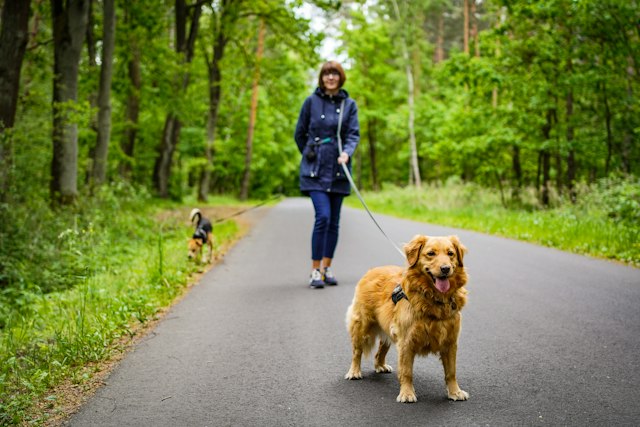
- Good activities: Leisurely walks, gentle fetch, short outdoor exploring, swimming, and scent games.
- Mental work: Puzzle toys and short training sessions prevent boredom and chewing.
- Puppies: Avoid hard running, jumping, and long stairs, because the joints are still growing.
- Not built for endurance: Skip long runs and intense exercise.

Heat is a real risk. Giant, short nosed dogs overheat easily. Walk in the early morning or evening, give shade and fresh water, and never leave your dog in a hot car or yard. This breed handles cool weather much better than hot weather.
Grooming and coat care
| Task | How often |
|---|---|
| Brushing | Once a week with a rubber curry comb or soft brush. The long coat needs more. |
| Face and jowl cleaning | Regularly, to stop moisture and bacteria building up |
| Ear check | Weekly, since drop ears hold moisture |
| Nail trim | Every few weeks |
| Teeth brushing | Daily if you can |
| Bath | When needed |
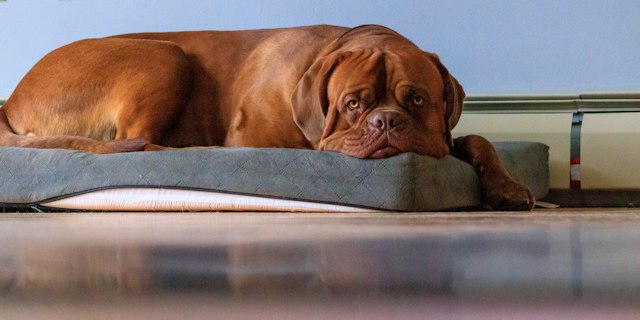
Shedding is moderate. A giant dog still leaves a lot of hair, so keep a strong vacuum ready. Give your dog a thick orthopedic bed, because heavy dogs can get pressure sores (hygromas) on their elbows from hard floors.
Feeding a giant breed
- Puppies: Feed a large or giant breed puppy food, in 3 to 4 small meals a day. These formulas help control growth, which protects young joints.
- Adults: Most need about 2,300 to 3,000 calories a day, split into 2 meals. Food often costs $95 to $140 a month.
- Weight: Keep your dog lean. Extra weight makes joint problems and heart disease worse.
- Bloat prevention: Feed at least two meals, use a slow feeder if your dog gulps, and avoid hard exercise right after eating.
- Supplements: Ask your vet about joint supplements such as glucosamine and chondroitin before you start any.
Health problems and lifespan
The breed was created to be healthier than the English Mastiff, but any giant dog carries real risks. Sources give a lifespan from 7 to 12 years, with 10 to 12 the most common claim. The table shows the main concerns.
| Condition | Why it matters | What to do |
|---|---|---|
| Hip dysplasia | The hip joint forms badly, causing pain and arthritis. A heavy body makes it worse. | Ask for OFA hip scores on both parents. Keep your dog lean. |
| Elbow dysplasia | A growth problem that often causes front leg lameness. | Ask for OFA elbow scores. |
| Bloat (GDV) | The stomach fills with gas and twists. It is a life threatening emergency. | Feed smaller meals. Go to the vet at once if the belly swells or your dog retches with nothing coming up. |
| Bone cancer (osteosarcoma) | Fast moving and more common in giant breeds. Often affects the legs. | See your vet quickly for limping that does not go away. |
| Heart disease | Includes dilated cardiomyopathy, which weakens the heart. | Do heart checks, especially in middle age. |
| Eye problems | Cataracts, glaucoma, and progressive retinal atrophy are listed for Mastiff types. | Ask for eye exams on the parents. |
| Arthritis | Common as a giant dog ages. | Use orthopedic bedding, ramps, and low impact exercise. |
| Elbow hygromas | Fluid pockets from lying on hard floors. | Provide thick, soft bedding. |
Health tests to ask a breeder for:
- OFA hip and elbow evaluations
- A heart exam by a board certified veterinary cardiologist
- A CAER eye exam by a veterinary eye specialist
- An OFA thyroid evaluation
How it differs from the English Mastiff
| Trait | English Mastiff | Flying W dog |
|---|---|---|
| Origin | Ancient England | Ohio, developed by Flying W Farms |
| Drooling | Heavy | Bred to be drier, but not drool free |
| Height | At least 27.5 to 30 inches | 28 to 36 inches |
| Weight | 120 to 230 lb | 110 to 200 lb |
| Lifespan | About 6 to 10 years | 7 to 12 years, claims vary |
| Coat | Short | Short smooth, or a longer coat |
| Registry | AKC | Continental Kennel Club |
| Health | Many giant breed risks | Similar risks, bred to lower them |
Is this giant right for your home?
| Situation | Fit |
|---|---|
| Apartment | Poor. It needs room to stand, turn, and lie down. |
| House with a secure yard | Good |
| Hot climate | Poor without air conditioning and careful routines. |
| Cool climate | Good. It handles cold better than heat. |
| Family with children | Good with supervision, because of its size. |
| First time dog owner | Hard. Better for people who have handled large dogs. |
| Renters | Check lease and insurance rules, since many limit giant breeds. |
| Tight budget | Poor. Food, vet care, and emergencies are costly. |
How much does a Mastiff puppy cost?
The price tag is only the start. These figures come from Lemonade’s breed guide and are estimates, so your costs will vary by location and your dog’s health.
| One time cost | Breeder puppy | Rescue dog |
|---|---|---|
| Purchase or adoption | $1,500 to $4,500 | $50 to $300 |
| First vet care | $300 to $700 | $300 to $700 |
| Supplies (crate, bed, leash) | $200 to $500 | $200 to $500 |
| Training classes | $150 to $300 | $150 to $300 |
| Total | $2,150 to $6,000 | $700 to $1,800 |
| Yearly cost | Estimate |
|---|---|
| Food and treats | $1,300 to $2,200 |
| Routine vet care | $500 to $1,000 |
| Grooming | $100 to $300 |
| Toys and supplies | $200 to $400 |
| Total | $2,100 to $3,900 |
Emergencies cost much more. One insurance site reports that bloat surgery for Mastiffs can cost up to $8,000, and hip dysplasia treatment can pass $7,000 per hip. Get pet insurance early, or keep a large emergency fund.
How to find a healthy puppy
This is a rare breed, so finding a good source takes patience. Try giant breed rescues first, since rescue dogs cost far less. If you choose a breeder, ask these questions:
- Are both parents registered with the Continental Kennel Club? The CKC only registers puppies from registered parents.
- Can I see OFA hip and elbow results, a heart exam, an eye exam, and thyroid results for both parents?
- Is the breeder approved by the American Mastiff Breeders Council?
- Can I meet the parents and see where the puppies live?
- What is in the contract, and is there a health guarantee?
- Will you take the dog back if I cannot keep it?
Red flags: no health testing, a bargain price, parents you cannot meet, dirty or crowded kennels, or a seller who uses the name loosely for any big Mastiff mix.
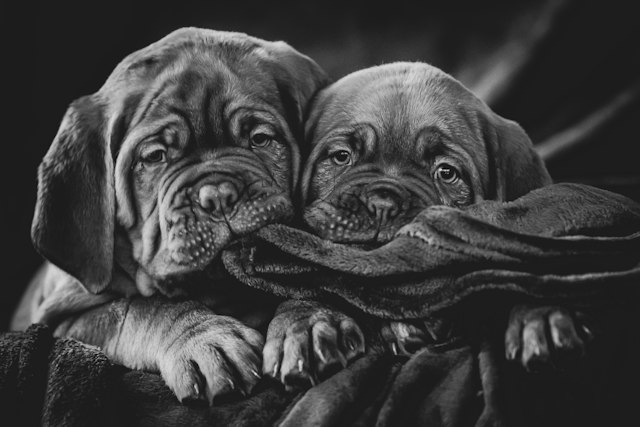
Puppy care in year one: Core vaccines start at 6 to 8 weeks and continue until about 16 weeks. Socialize between 8 and 16 weeks, feed a giant breed puppy food, and avoid hard exercise while the joints grow.
Pros and cons
| Pros | Cons |
|---|---|
| Calm, gentle, and very loyal | Very large and costly to keep |
| Quiet guard dog that rarely barks | Not suited to apartments |
| Low energy and easy to exercise | Poor in hot weather |
| Short coat with moderate shedding | Prone to bloat, joint disease, and cancer |
| Bred to drool less than the English Mastiff | Shorter lifespan than most breeds |
| Patient with children | Rare, so good breeders are hard to find |
American Mastiff Quick Answers
People search for this breed as the American Mastiff, the Mastiff American or the Amastiff. They all point to the same large, gentle dog described in this guide. If you are comparing giant and guardian breeds, you may also like our Canario dog vs Cane Corso and Fila Brasileiro guides.
- Temperament: see the temperament section above for what to expect at home.
- Health and cost: read the health and cost sections before you choose a breeder.
- Not sure it fits? Compare it with other large mixes before you decide.
Frequently asked questions
Is an American Mastiff the same as an English Mastiff?
No. The Flying W dog descends mostly from the English Mastiff but has some Anatolian blood. It was bred to drool less and have fewer health problems, and it is recognized by a different registry.
How big does this breed get?
Most stand 28 to 36 inches tall and weigh about 110 to 200 pounds. Males are larger. Growth continues until about age 2, and the body fills out until age 3 or 4.
Do these dogs drool?
Less than an English Mastiff, because the breed was developed for a drier mouth. But no giant dog with jowls is completely drool free, so expect some.
How long do they live?
Most guides say 10 to 12 years, while some give 7 to 11. As a giant breed, plan for the shorter range and focus on a lean weight and regular vet care.
Are they good with kids?
Yes, they are patient and gentle with children. But their size can knock over a small child by accident, so always supervise.
Are they aggressive?
Not by nature. The breed standard says unprovoked aggression or fear is incorrect for the breed. They are watchful and will defend their family if needed, so early socialization is important.
Can they live in an apartment?
It is not a good idea. A giant dog needs space, and apartments are hard for them to move in and stay cool. A house with a secure yard is better.
How much does a puppy cost?
A breeder puppy is often $1,500 to $4,500. Rescue fees are usually $50 to $300. Yearly care costs about $2,100 to $3,900.
Does the AKC recognize this breed?
No. The Continental Kennel Club recognized it as a purebred in January 2000, but the AKC does not recognize it.
How much exercise do they need?
About 30 to 60 minutes of gentle exercise a day, such as walks and light play. Avoid hard exercise in hot weather and while puppies are growing.
This guide is for education only. It does not replace advice from your veterinarian or a qualified trainer.
Helpful resources
- Continental Kennel Club: breed page and standard
- Lemonade: breed guide with health and cost data
- Justia: trademark record for the breed name
- PetMD: Mastiff health overview
- Orthopedic Foundation for Animals: health testing
- PetMD: bloat in dogs
Final thoughts
The American Mastiff is a calm, loyal giant that suits a quiet home with space, a cool climate, and an owner who can handle a very large dog. It offers the look and nature of the English Mastiff with the goal of less drool and fewer health problems, but it still carries the risks of any giant breed. Choose a breeder who health tests both parents, budget for food and emergencies, and start training on day one. If that fits your life, this gentle giant can be a devoted family guardian.