How Long Can Dogs Go Without Food? Vet Limits

By the Paws and Facts Editorial Team. Educational information only, not veterinary advice. Sources are linked in the text and in the Resources section.
Most owners who ask how long can dogs go without food are really asking one thing: when should I worry? Many websites answer with a survival number such as three to five days. That number is repeated everywhere, but none of the pages we reviewed backed it with a veterinary source, and surviving is not the same as being safe. This guide focuses on the thresholds that the AKC and PetMD actually give for calling a vet.
Key Takeaways
- The AKC says to contact your vet if your dog is not eating for 12 to 24 hours, though an adult skipping meals for 1 to 2 days with no other symptoms is often not a concern.
- PetMD says a dog that refuses food for more than 24 to 48 hours should be evaluated as soon as possible.
- A puppy that refuses more than one meal needs a vet right away, according to the AKC.
- Not eating with vomiting, diarrhea, lethargy, or pain is urgent.
- The popular “3 to 5 days” figure is unsourced on every competitor page we reviewed, so we do not use it as advice.
How Long Can Dogs Go Without Food? The Short Answer
There is no single safe number, because it depends on age, health, and other symptoms. The two veterinary sources we could open give different windows, which is why we show both. The AKC is more cautious, and PetMD allows a little longer for an otherwise normal dog.
| Situation | What the sources say | Source |
|---|---|---|
| Healthy adult, acting normal, skipped one meal | Usually not an emergency. Monitor. | PetMD |
| Adult skipping meals 1 to 2 days, no other symptoms | Often not a concern | AKC |
| Not eating for 12 to 24 hours | Contact your vet | AKC |
| Refusing food more than 24 to 48 hours | Get evaluated as soon as possible | PetMD |
| Not eating plus vomiting or diarrhea | Contact your vet right away | AKC |
| Not eating plus lethargy or signs of pain | Urgent care | AKC |
| Young puppy refusing more than one meal | Vet right away | AKC |
| Dog with a chronic condition such as diabetes stops eating | Prompt vet attention | AKC and PetMD |
Why the “3 to 5 Days” Claim Is Not Advice
Several top ranking pages say a healthy adult can survive three to five days without food if water is available. Some even say the dog is fine for that long. We found no veterinary source for the figure in the pages we reviewed, and the competitors disagree with themselves: one gives five days in the intro and three to five in the body. A dog can be in real trouble long before any survival limit, especially with an underlying illness.
| Common claim | Our check |
|---|---|
| Dogs can go 3 to 5 days without food | Unsourced on the pages we reviewed. We do not use it as a safe limit. |
| Small puppies can be in danger after about 12 hours | Unsourced number. The AKC says a young puppy refusing more than one meal needs a vet right away. |
| Vet at 48 hours is always soon enough | Not for puppies, chronic conditions, or dogs with other symptoms. |
Puppies, Seniors, and Dogs With Health Conditions

Puppies. PetMD says puppies cannot go as long as adult dogs without food, and the AKC says any missed meal can be concerning. A puppy refusing more than one meal should see a vet right away. With vomiting or diarrhea, PetMD names parvovirus as the top concern. We could not verify the hour counts that some sites give for toy breeds, so we do not repeat them.
Senior dogs. PetMD says a slight drop in appetite can be normal in older dogs, but a significant change deserves a vet visit. The AKC page we reviewed did not address seniors.
Chronic conditions. The AKC advises prompt veterinary attention when a dog with a condition such as diabetes stops eating, and says to ask your vet before giving any medication.
Skipped Meal Vet Timer
This tool turns the AKC and PetMD thresholds into a simple prompt. How it works: symptoms and chronic conditions come first, then puppies by missed meals, then adults and seniors by hours since the last meal. The 12 and 24 hour lines come from the AKC and PetMD guidance above. Limits: it cannot judge your individual dog. The result is an estimate only, not a diagnosis or veterinary advice. When unsure, call your vet.
Dog type
Other symptoms
Hours since last meal (adults and seniors)
Meals missed in a row (puppies)
What About Water?
Food and water are separate issues. The AKC notes that a dog that keeps drinking but refuses food may still have an underlying problem, and says to contact your vet if appetite does not return within 12 to 24 hours or other symptoms develop. Competitor pages say a day without water is serious, and one suggests a skin tent hydration test, but none cited a source, so we cannot give you a verified at home test. If your dog also refuses water, treat it as urgent and call your vet.
Common Reasons a Dog Stops Eating
Not eating is a symptom, not a diagnosis. The AKC and PetMD list many possible causes, from minor to serious. PetMD names gastritis as the most common cause of appetite loss in its FAQ.
| Type of cause | Examples from the sources |
|---|---|
| Illness | Viral illness, gastrointestinal disease, obstruction, organ disease, tumors (AKC, PetMD) |
| Medications | Antibiotics, chemotherapy drugs, and NSAIDs (AKC) |
| Stress and change | Moving, a new home, losing a companion, new pets or children, houseguests, moved bowls (AKC, PetMD) |
| Food related | Recalls, stale or spoiled food, abrupt diet changes, too many treats (AKC, PetMD) |
| Pain and mouth problems | Painful teeth or a mouth tumor (AKC). PetMD also lists dental disease and arthritis. |
| Behavior | Fear, anxiety, and in senior dogs possible cognitive decline (PetMD) |
How to Encourage a Dog to Eat
If your dog is bright, acting normal, and has not triggered any red flag above, these simple steps come from the AKC and PetMD. If appetite does not return, stop experimenting and call your vet.
Slightly warm the food. The AKC suggests the microwave, and PetMD also lists warming.
Add dog safe chicken or beef broth. PetMD suggests 2 to 3 tablespoons of low sodium chicken broth.
Pour warm water over dry food, or switch between wet and dry food.
Offer small bites by hand and keep mealtimes calm and consistent.
If the problem is serious, ask your vet about appetite stimulating or anti nausea medication. Vets prescribe these when needed.
- Keep bowls and feeding times consistent
- Offer plain boiled chicken and rice for a short time if your vet agrees
- Limit treats to no more than 10 percent of daily calories (PetMD)
- Change foods gradually
- Wait for a survival number before acting
- Give human medication unless your vet says so
- Force food into a dog that is vomiting or in pain
- Ignore a puppy that skips more than one meal

When to Call the Vet
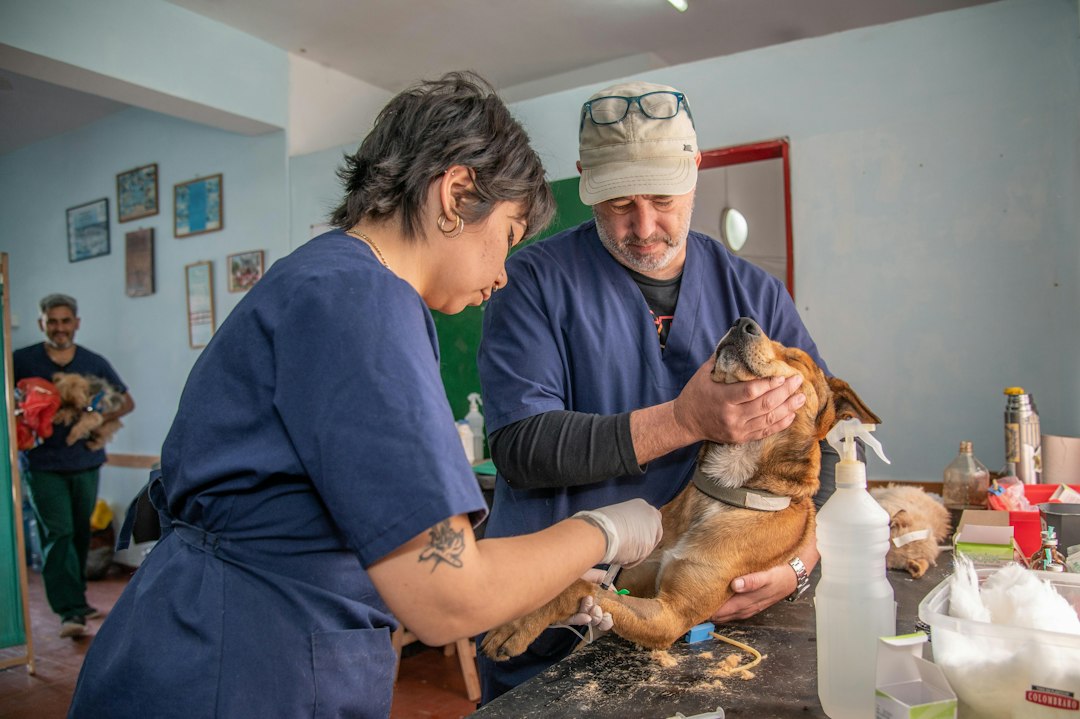
Phone your vet in any of these situations. It helps to have the details ready, because they speed up the advice you receive.
- When your dog last ate and drank normally.
- Other symptoms such as vomiting, diarrhea, lethargy, pain, or a swollen belly.
- Recent changes such as new medication, new food, travel, or stress.
- Age and conditions, including puppy status or diabetes.
- Anything your dog may have eaten that could be harmful.
Common Myths About Dogs Not Eating
| Myth | Reality |
|---|---|
| Dogs will not starve themselves, so just wait | Waiting is risky for puppies, seniors, chronic conditions, and dogs with other symptoms |
| A dog that drinks water is fine without food | The AKC says a dog that drinks but refuses food may still have an underlying issue |
| Picky eating is always the reason | It can be, but the sources list illness, pain, medication, and stress too |
| Adults can safely go 3 to 5 days | Unsourced on the pages we reviewed, so we do not treat it as safe |
Frequently Asked Questions
How long can a dog go without eating before it is dangerous?
There is no single number. The AKC advises contacting your vet at 12 to 24 hours, and PetMD says to evaluate a dog refusing food for more than 24 to 48 hours. Call sooner with other symptoms.
Is it okay if my dog skips one meal?
PetMD says skipping one meal is usually not an emergency if your dog acts normal. Skipping more than one meal warrants a vet visit.
How long can a puppy go without food?
We found no verified hour count. The AKC says a young puppy that refuses more than one meal needs a vet right away.
My dog is not eating but acting normal. Should I worry?
The AKC says an adult skipping meals for 1 to 2 days with no other symptoms is often not a concern, but contact your vet if it lasts 12 to 24 hours without improvement.
What if my dog will not eat but drinks water?
The AKC says this can still signal an underlying issue. Contact your vet if appetite does not return in 12 to 24 hours or other symptoms appear.
What can I do to get my dog to eat?
Warm the food, add dog safe broth, soften dry food, mix wet and dry food, or hand feed. Ask your vet if it continues.
Can a senior dog go longer without food?
No. PetMD says a slight drop in appetite can be normal in seniors, but a significant change warrants a vet visit.
When is not eating an emergency?
When it comes with vomiting, diarrhea, lethargy, pain, or a swollen belly, or when a puppy refuses more than one meal.
Resources
Related Guides
Final Thoughts
So, how long can dogs go without food? Instead of counting days, watch for the warning signs and use the vet thresholds above: 12 to 24 hours of refusal for most dogs, right away with symptoms, and after more than one missed meal for puppies. If your dog is not eating and you are unsure, a quick call to your vet is always the safest step.