Can Puppies Eat Pasta? Safe Amounts and Risks

By the Paws and Facts Editorial Team. Sources: AKC, Merck Veterinary Manual, ASPCA, WSAVA and USDA data. This guide is educational and does not replace your veterinarian.
Your puppy is staring at your plate and you are wondering can puppies eat pasta. Plain, fully cooked pasta is not toxic, so a tiny taste will not poison a healthy puppy. But pasta is not food a growing puppy needs, and the sauces and extras that usually come with it are where the real danger is. This guide gives portion math, a treat calculator, a sauce safety table and clear steps if your puppy already ate some.
Key Takeaways
- Plain, fully cooked pasta is not toxic, but puppies do not need it.
- The AKC says treats and extras should be no more than 10 percent of a puppy daily calories.
- Sauces with onion, garlic, cream, butter or lots of salt are the main risk.
- Cooked pasta has about 158 calories per 100 grams (USDA data), so small portions matter.
- Call your vet if your puppy ate sauced pasta and seems unwell.
Can Puppies Eat Pasta? The Short Answer
Yes, in a very small amount and only when it is plain and fully cooked. Think of one or two short pieces, not a bowl. Pasta gives mostly carbohydrate, and puppies have small stomachs and high needs for protein, calcium and other nutrients. Vet reviewed guides from Petful and PetMD also describe plain cooked pasta as safe but of little nutritional value.
The AKC says puppies should eat a complete and balanced food made for growth until they reach physical maturity. Pasta never replaces that.
| Pasta type | Verdict | Why |
|---|---|---|
| Plain cooked pasta, no salt or oil | Tiny amounts only | Not toxic, but low in nutrients |
| Whole wheat pasta | Tiny amounts only | More fiber, still not a meal |
| Raw or dry pasta | Avoid | Hard to chew, choking and stomach upset risk |
| Pasta with tomato sauce | Avoid | Often contains onion, garlic and salt |
| Alfredo, cream or cheese sauce | Avoid | Dairy and fat can upset the gut or trigger pancreatitis |
| Mac and cheese | Avoid | Dairy, fat and salt |
| Pesto | Avoid | Often has garlic, oil and salt |
| Ravioli or lasagna | Avoid | Fillings and sauces are unpredictable |

Why Growth Food Comes First
The Merck Veterinary Manual advises feeding a complete and balanced growth diet until skeletal maturity, which is around 8 to 12 months in small and medium breeds and 10 to 16 months in large and giant breeds. It suggests three meals a day from weaning to 6 months and two meals a day from 6 to 12 months. Every bite of pasta takes room away from that balanced food.
| Cooked enriched pasta, no salt | Per 100 grams | Per cup (about 132 g) |
|---|---|---|
| Calories | 158 | about 210 |
| Protein | 5.8 g | about 7.7 g |
| Fat | 0.9 g | about 1.2 g |
| Carbohydrate | 30.9 g | about 40.8 g |
Figures come from USDA FoodData Central. The cup values are simple multiplication of the 132 gram cup, so treat them as approximate. For a 5 kg puppy that eats roughly 400 calories a day, a single cup of pasta would be more than half of the daily energy, and it would crowd out nutrients the puppy needs.
Large breed note. The AKC advises a large breed growth diet for puppies expected to weigh 70 pounds or more as adults. It also notes that overfeeding and fast weight gain are risk factors for developmental orthopedic problems such as hip dysplasia. Extra pasta calories are the kind of quiet overfeeding that adds up, so keep your puppy lean with visible ribs under a light fat cover and a clear waist.
Sauces and Add Ons That Cause Trouble
The ASPCA lists these common pasta extras as risks for pets:
- Onions, garlic and chives can cause stomach irritation and damage red blood cells. Powdered forms in sauces count.
- Dairy such as cream and cheese can cause diarrhea because pets lack enough lactase.
- Fatty foods like butter and oil can cause vomiting, diarrhea and sometimes pancreatitis.
- Salt in excess can cause thirst, vomiting, tremors and in severe cases seizures.
Garlic and onion signs can be delayed, sometimes by days. If your puppy ate sauce, do not wait for symptoms. Call your vet or the ASPCA Animal Poison Control Center at (888) 426 4435. A fee may apply.
Check the Label Before You Share Any Dish
Pasta dishes often hide risky ingredients. Before you let your puppy lick a plate, scan what went into it.
- Look for onion powder, garlic powder, chives and seasoning blends.
- Check sauces and sugar free products for xylitol, which WSAVA lists among the toxic foods for dogs.
- Notice butter, cream, cheese and oil, which add fat.
- Skip anything with heavy salt, such as canned or restaurant pasta.
Puppy Treat Budget Calculator for Pasta
Use the AKC 10 percent rule to see how much plain cooked pasta fits. Enter your puppy daily calories from the food label or your vet. The tool takes 10 percent as the treat budget, subtracts other treats, then divides by 1.58 calories per gram of cooked pasta from USDA data. This is an estimate only. Very small puppies, sick puppies and puppies on a vet diet may need less or none.
For example, a puppy that eats 400 calories a day has a 40 calorie treat budget. That is about 25 grams of plain cooked pasta, and only if it is the only treat that day. In practice, a few short pieces is plenty.
Here is what the same math gives for a few example daily calorie levels. These are examples only, so check your own puppy food label or ask your vet.
| Example daily calories | Treat budget (10 percent) | Plain cooked pasta at most |
|---|---|---|
| 200 | 20 calories | about 13 grams |
| 400 | 40 calories | about 25 grams |
| 800 | 80 calories | about 51 grams |
| 1200 | 120 calories | about 76 grams |
Those amounts assume pasta is the only treat that day. If you also use training rewards, the pasta share shrinks fast.
How to Serve Pasta Safely to a Puppy
- Boil it in plain water with no salt, oil or butter.
- Cook it fully until soft, then let it cool.
- Cut it into short, bite sized pieces to reduce choking risk.
- Offer one small piece first. Offer a new food on its own, not alongside other new foods.
- Watch your puppy for a day or two for vomiting, diarrhea or itching.
- Count the calories toward the daily 10 percent treat limit.
Does Pasta Shape Matter?
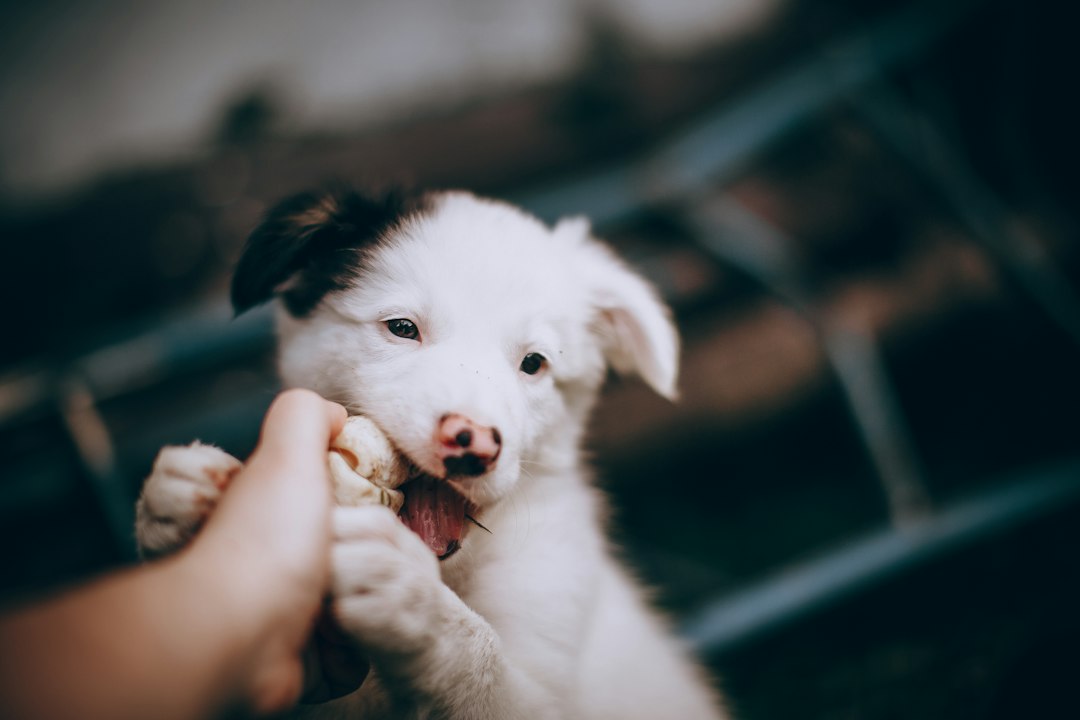
The shape does not change how safe pasta is, but it changes how easily a puppy can swallow it badly. Puppies often gulp food without chewing, so size and texture matter more than the name on the box.
- Long strands such as spaghetti can be swallowed in a tangle. Cut them into short pieces.
- Tubes and shells are bulky for tiny mouths. Break them up or skip them for toy breeds.
- Overcooked, mushy pasta is easier to swallow and chew than firm pasta.
- Warm pasta should cool fully before you offer it.
Quick Yes or No Checklist
Before you share any pasta, ask yourself these questions. If the answer to any of them is no, do not offer it.
- Is it plain, with no sauce, salt, oil, butter or seasoning?
- Is it fully cooked and cooled?
- Is the piece small enough for my puppy to chew safely?
- Will it fit inside the 10 percent treat limit today?
- Is my puppy healthy, with no stomach problems or vet diet?
Puppies That Should Skip Pasta
- Puppies still moving onto solid food, since their diet needs to stay simple.
- Puppies with a history of stomach upset or pancreatitis.
- Puppies on a vet prescribed diet.
- Puppies with signs of a wheat sensitivity, such as itchy skin, paw licking or ear problems.
- Very small breed puppies that can gain weight or upset their stomach from tiny diet changes.
Handling Begging at the Table
Puppies learn quickly that a sad face earns food. A few habits make mealtimes calmer and keep extras under control.
- Feed your puppy before your own meal so hunger is lower.
- Give a chew or a puzzle toy while the family eats.
- Use pieces of your puppy kibble from the daily allowance as rewards.
- Ask everyone at the table to follow the same no scraps rule.
Safer Treats Than Pasta
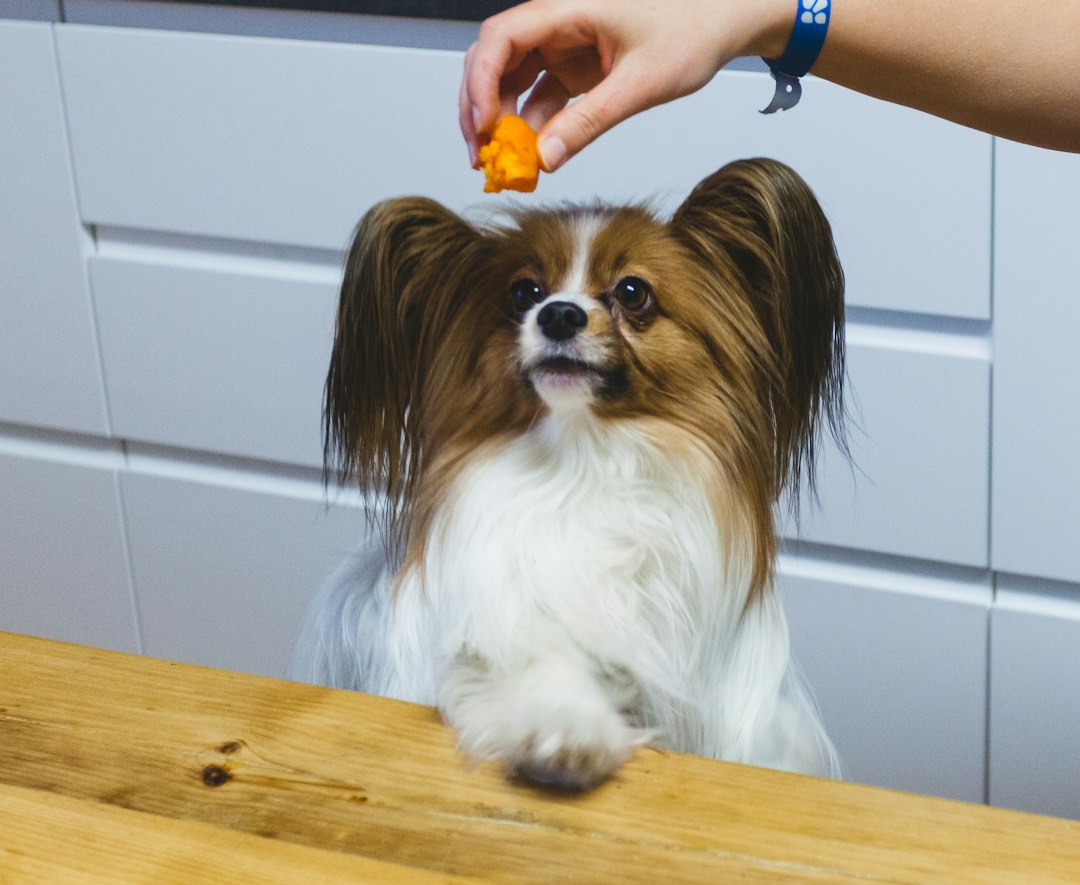
The AKC says treats should be no more than 10 percent of daily calories and warns against table scraps and people food. Better choices are a few pieces of your puppy own kibble, a puppy made training treat in small pieces, or a small piece of a food your vet has approved.
My Puppy Ate Pasta With Sauce: What To Do
- Take away any leftovers and note what the sauce contained.
- Check the ingredients for onion, garlic, chives, xylitol or lots of salt.
- Estimate how much was eaten and your puppy weight.
- Call your vet or the ASPCA Animal Poison Control Center at (888) 426 4435.
- Follow their advice. Do not try to make your puppy vomit unless a vet tells you to.
Signs to Watch For
| Sign | What it may mean | What to do |
|---|---|---|
| One episode of mild vomiting or loose stool | Mild stomach upset | Monitor closely and call if it repeats |
| Pale gums, weakness, dark urine | Possible red blood cell damage from onion or garlic | Emergency vet visit |
| Repeated vomiting, belly pain, hunched posture | Pancreatitis risk from fatty sauce | Same day vet visit |
| Choking or gagging | Dry pasta or a large piece | Emergency vet visit |
| Itchy skin or ear problems after pasta | Possible wheat sensitivity | Stop pasta and ask your vet |
Common Myths About Puppies and Pasta
- Pasta gives growing puppies energy. It adds calories, but not balanced nutrition.
- Whole wheat makes it a meal. It still lacks what a complete puppy food provides.
- A little sauce will not hurt. Onion and garlic can harm even at modest amounts, depending on the puppy size.
- Pasta fixes diarrhea. Puppies can dehydrate fast, so call your vet.
Frequently Asked Questions
Can 8 week old puppies eat pasta?
It is best to skip it. A puppy this young is still settling onto solid food and needs a complete and balanced puppy diet. Ask your vet before adding any people food.
Can puppies eat cooked spaghetti?
Plain, fully cooked spaghetti is not toxic. Cut it into short pieces and offer only a tiny amount as an occasional extra.
Can puppies eat pasta with tomato sauce?
It is better to avoid it. Many sauces contain onion, garlic, salt or fat, which can upset a puppy stomach or cause more serious harm.
Can puppies eat raw pasta?
No. Dry pasta is hard, can be a choking risk and can upset the stomach. Always cook it fully and let it cool.
Can puppies eat mac and cheese?
Avoid it. The ASPCA notes that dogs often cannot digest dairy well, and rich, fatty and salty foods can cause vomiting, diarrhea or pancreatitis.
Is gluten free pasta safer for puppies?
It is not toxic, but it is not a health upgrade either. Dogs with a wheat allergy may do better with it, so ask your vet before testing it.
How often can a puppy have pasta?
Rarely. Any extra food, including pasta, should stay within the 10 percent treat limit the AKC gives for puppies.
Can pasta settle a puppy upset stomach?
Do not rely on it. Puppies can become dehydrated quickly when they vomit or have diarrhea, so call your vet instead of experimenting with home meals.
Helpful Resources
- AKC: proper puppy nutrition
- AKC: how many treats can a dog have
- Merck Veterinary Manual: feeding practices in small animals
- ASPCA: people foods to avoid feeding your pets
- WSAVA: guide to feeding treats to dogs
- USDA FoodData Central
Related Guides
Final Thoughts
So, can puppies eat pasta? A tiny piece of plain, fully cooked pasta will not poison a healthy puppy, but it adds little and the sauces are the real risk. Keep extras under 10 percent of daily calories, stay with a complete growth food, and call your vet if your puppy ate sauce with onion or garlic.