Can Dogs Have Shrimp? Safe Serving and Risks

By the Paws and Facts Editorial Team. Educational information only, not veterinary advice. Sources are linked in the text and in the Resources section.
Many owners ask can dogs have shrimp when a plate of seafood is sitting within reach of a hopeful nose. The short version is that plain, fully cooked, shell free shrimp is an occasional treat for most healthy dogs, while raw, fried, seasoned, or shell on shrimp is where trouble starts. This guide uses the American Kennel Club and the FDA as its main sources, and it tells you plainly when a popular claim has no source behind it.
Key Takeaways
- The AKC says to remove the shell completely, because shells are a choking hazard and can cause an obstruction.
- Steamed shrimp is best according to the AKC. Fried or breaded shrimp adds fats and oils that can be harmful.
- The FDA says most seafood should reach an internal temperature of 145 F, and shrimp flesh should turn firm, pearly, and opaque.
- The AKC says one or two pieces is usually enough for most dogs, and small dogs should get a partial piece.
- Shrimp is high in cholesterol, so keep it occasional and ask your vet before making it a regular food.
Can Dogs Have Shrimp? The Short Answer
Yes, in small amounts and only when it is prepared the right way. The table below shows which forms are acceptable and which are not. It follows the AKC guidance on shells, raw shellfish, and fried food, plus FDA food safety guidance for cooking.
| Form of shrimp | Verdict | Why |
|---|---|---|
| Steamed, plain, peeled | Occasional treat | AKC calls steamed shrimp the best choice |
| Boiled, plain, peeled | Occasional treat | Cook to firm, pearly, opaque flesh (FDA) |
| Shell on | Avoid | Choking hazard and possible obstruction (AKC) |
| Raw | Avoid | Raw shellfish can carry harmful pathogens (AKC) |
| Fried or breaded | Avoid | Added fats and oils can be harmful (AKC) |
| Seasoned or with sauce | Avoid | Extra salt, fat, and unsafe ingredients can hide in sauces |
Is Shrimp Good for Dogs?
Many pet food sites list protein, vitamins, minerals, and omega 3 fats as shrimp benefits. We could not open the USDA nutrient page during research, so we do not quote calorie, sodium, or cholesterol numbers here. What the AKC does say is that shrimp is high in cholesterol, so it should stay an occasional treat. The table separates what we could verify from what we could not.
| Claim you will see online | Our check |
|---|---|
| Shrimp is a nutritious snack | Common claim on competitor pages. Nutrient amounts were not verified here. |
| Shrimp is high in cholesterol | Stated by the AKC. Keep it occasional. |
| Shrimp helps heart and brain health | Unsourced on the page we reviewed. We do not repeat it as fact. |
| Treats should be under 10 percent of daily calories | Widely repeated guideline. We did not find a primary source, so treat it as a rule of thumb. |
Shells, Tails, and Heads

The AKC says shrimp shells are a choking hazard and can cause obstructions, especially in small breeds, so the shell should be removed completely. The AKC page we reviewed does not mention tails specifically. Since the tail is part of the hard shell, the safest habit is to remove it too, and to pull off the heads and legs. Another site we reviewed makes a strong claim that dogs cannot digest shell material, but it gives no source, so we treat the risk as possible, not proven.
Raw Shrimp and Food Safety
The AKC says raw shellfish can carry harmful pathogens, so shrimp should be cooked before it reaches your dog. The FDA recommends cooking most seafood to an internal temperature of 145 F. Without a thermometer, it says shrimp is done when the flesh becomes firm, pearly, and opaque. The FDA also notes that freezing can kill parasites but does not kill all harmful germs, so freezing is not a substitute for cooking.
How to Prepare Shrimp for Your Dog
If frozen, thaw in the refrigerator overnight, which the FDA calls the safest method.
Remove the shell, tail, head, and legs. Remove the dark vein too if you see one.
Steam or boil with no oil, butter, salt, or spices until the flesh is firm, pearly, and opaque, or 145 F inside.
Let it cool fully, then cut into small pieces that suit your dog size.
Offer a small piece first and watch for stomach upset over the next day.
- Offer a small piece as a treat
- Cook it fully and keep it plain
- Keep seafood at 40 F or below and use it within 2 days of purchase, as the FDA advises
- Call your vet if your dog seems unwell
- Feed raw or undercooked shrimp
- Leave shells or tails on
- Use fried, breaded, or sauced shrimp
- Make shrimp a daily food
Shrimp Serving Checker
Use this tool to check a serving plan. How it works: it follows the AKC guidance of one or two pieces for most dogs and a partial piece for small dogs. The AKC does not give a weight cutoff, so we use 20 lb as our own line. Limits: it ignores health conditions, allergies, and diets. The result is an estimate only, not a diagnosis or veterinary advice.
Dog weight in pounds
Preparation
Shell and tail
How Much Shrimp Can a Dog Have?
The AKC says one or two pieces are usually enough for most dogs, and small dogs should get a partial piece. Other sites give weight based amounts, but none of the ones we reviewed gave a source for them, so use the table as a cautious starting point and ask your vet.
| Dog size | Starting amount | Source of the amount |
|---|---|---|
| Small dog | Part of one shrimp | AKC: partial piece for small dogs |
| Medium dog | One shrimp | AKC: one or two pieces for most dogs |
| Large dog | One or two shrimp | AKC: one or two pieces for most dogs |
Keep shrimp to an occasional treat. Because the AKC notes shrimp is high in cholesterol, do not serve it every day.

Seasonings, Sauces, and Fried Shrimp
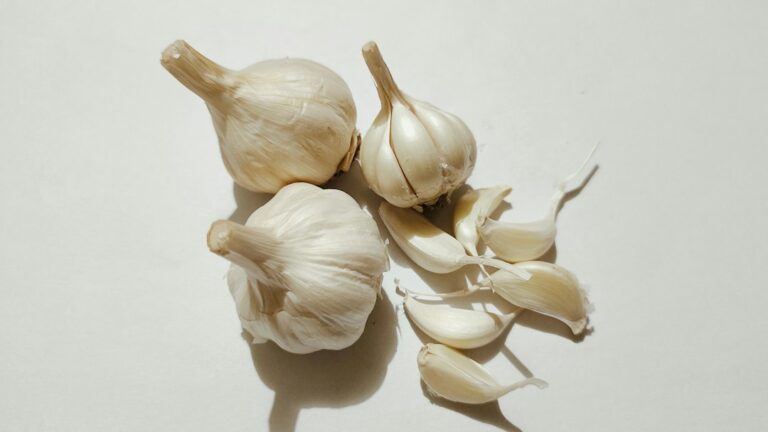
Shrimp from a restaurant plate rarely comes plain. The AKC warns that fried or breaded shrimp adds fats and oils that can be harmful. Cocktail sauce, butter, garlic, and heavy seasoning also appear on many human recipes, and several competitor sites warn against them. Veterinary sources commonly list garlic and onion as unsafe for dogs, but we did not open a specific page for them in this research, so confirm with your vet if your dog ate some.
| Item on the plate | What to do |
|---|---|
| Fried or breaded shrimp | Do not share |
| Shrimp in butter or oil | Do not share |
| Shrimp with garlic or onion | Do not share and call your vet if a lot was eaten |
| Cocktail or spicy sauce | Do not share |
| Plain steamed shrimp set aside before seasoning | Fine in a small amount |
Allergies and Stomach Upset
Any new food can upset a dog. The AKC says dogs react differently to shrimp, so stop feeding it if your dog shows intestinal discomfort or illness, and call your vet if symptoms worsen. Competitor pages describe vomiting, loose stools, hives, facial swelling, and itching as signs of a food reaction. They call shellfish allergy rare, but none gave prevalence data, so we cannot put a number on it.
What If Your Dog Stole Shrimp?

It happens at every barbecue and dinner party. First, work out what was taken: plain, seasoned, fried, raw, with shells, or with skewers. Then use the table below.
| What your dog ate | Suggested action |
|---|---|
| One or two plain cooked shrimp, peeled | Usually just watch for stomach upset |
| Shrimp with shells or tails | Watch closely and call your vet, especially for a small dog |
| Raw shrimp | Watch for illness and call your vet if your dog seems unwell |
| Fried, buttery, or seasoned shrimp | Call your vet if your dog vomits or seems unwell |
| Shrimp with a wooden skewer | Call your vet right away |
| A lot of shrimp with garlic or onion | Call your vet right away |
These actions are cautious general guidance, not a medical protocol. Your vet can tell you what fits your dog.
Puppies and Dogs With Health Conditions
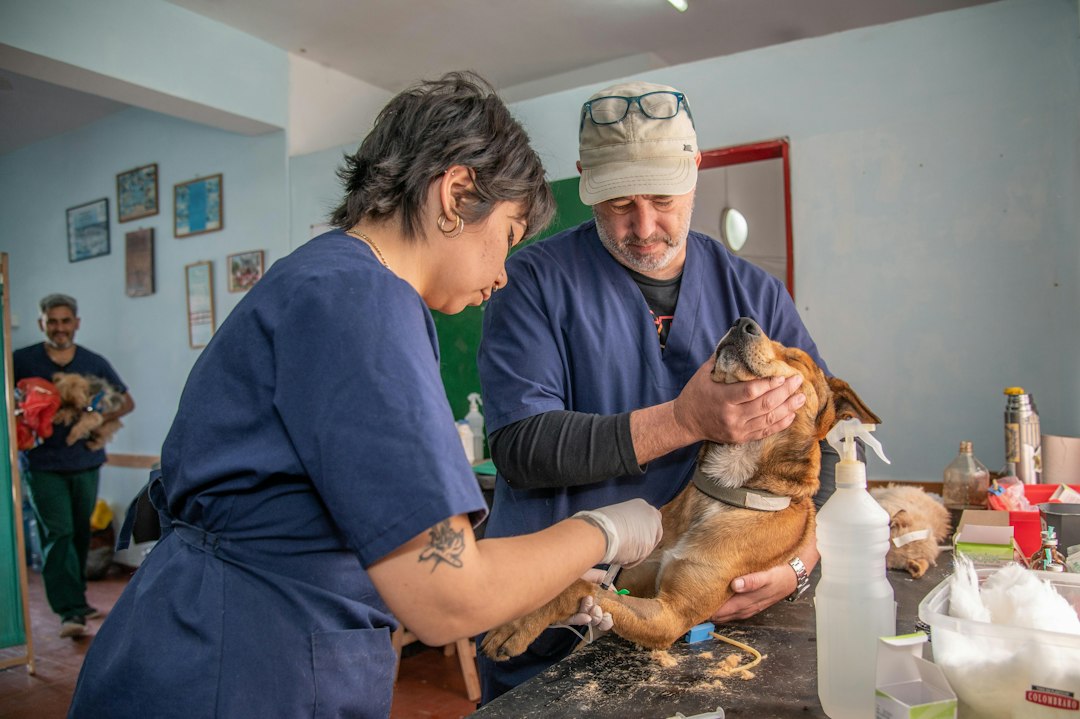
We found no reliable source with a safe shrimp amount for puppies, so the safest answer is to ask your vet. The same applies to dogs with pancreatitis, kidney or heart disease, or a food sensitivity. Competitor pages mention these groups but give no source for specific limits.
Common Myths About Dogs and Shrimp
| Myth | Reality |
|---|---|
| Shrimp is always safe because it is seafood | Raw, fried, seasoned, and shell on shrimp can be harmful |
| Freezing makes raw shrimp safe | The FDA says freezing does not kill all harmful germs |
| A big portion is healthy | The AKC advises one or two pieces and an occasional treat |
| Restaurant shrimp is fine if you remove the sauce | Fats and seasonings can soak into the shrimp itself |
Frequently Asked Questions
Can dogs eat cooked shrimp?
Yes, plain cooked shrimp without shell is generally an occasional treat. The AKC calls steamed shrimp the best choice.
Can dogs eat raw shrimp?
No. The AKC says raw shellfish can carry harmful pathogens, so shrimp should be cooked.
Can dogs eat shrimp shells or tails?
The AKC says shells are a choking hazard and can cause obstruction, so remove them completely. Remove tails too as a precaution.
How much shrimp can a dog have?
The AKC says one or two pieces for most dogs, and a partial piece for small dogs. Keep it occasional.
Can dogs eat fried or breaded shrimp?
No. The AKC says fried or breaded shrimp adds fats and oils that can be harmful.
Are dogs allergic to shrimp?
Some dogs may react to shrimp. Competitor pages call shellfish allergy rare but give no data. Stop feeding it and call your vet if you see a reaction.
Can puppies eat shrimp?
We found no reliable source with a safe amount for puppies. Ask your vet first.
Is shrimp high in cholesterol?
The AKC says yes, which is why shrimp should be an occasional treat and not a regular food.
Resources
Related Guides
Final Thoughts
So, can dogs have shrimp? Yes, as an occasional small treat when it is peeled, plainly steamed or boiled, and fully cooked. Avoid shells, raw, fried, and seasoned shrimp, keep portions tiny, and talk to your vet if your dog has any health condition or reacts badly.