Can Dogs Eat Cantaloupe? Safe Amounts and Risks

By the Paws and Facts Editorial Team. Educational information only, not veterinary advice. Sources are linked in the text and in the Resources section.
If you have ever typed can dog eat cantaloupe while your dog stared at your fruit bowl, here is the quick answer: yes, the juicy orange flesh is safe for most dogs in small amounts, but the rind is a real hazard and the sugar matters for some dogs. This guide uses the AKC, PetMD, and Purina as its main sources, adds a portion checker, and tells you plainly which popular claims have no source behind them.
Key Takeaways
- The AKC says cantaloupe is safe in moderation, and Purina says it is not toxic.
- The rind can cause choking, stomach upset, or a blockage. PetMD says to never feed it and to call a vet right away if your dog eats some.
- Seeds are not toxic, but they are a choking risk, so remove them.
- Cantaloupe is high in sugar. The AKC says it may not suit diabetic dogs.
- PetMD suggests treats stay under 10 percent of daily calories and pieces be about half an inch.
Can Dogs Eat Cantaloupe? The Short Answer
The flesh is fine in small amounts, and everything else needs care. The table below shows each part of the fruit.
| Part of the fruit | Verdict | What the sources say |
|---|---|---|
| Ripe orange flesh | Occasional treat | Safe in moderation (AKC). Not toxic (Purina). |
| Rind | Never | Choking, stomach upset, and blockage risk (AKC, PetMD, Purina) |
| Seeds | Remove them | Harmless but a choking hazard (AKC). Remove all (PetMD). |
| Frozen cubes | Fine in small amounts | PetMD says frozen is acceptable in moderation |
| Dried cantaloupe | Smaller portions | PetMD says drying concentrates sugar |
| Sweetened or mixed fruit dishes | Avoid by default | Added sugar and unknown ingredients. Check with your vet. |
Is Cantaloupe Good for Dogs?
The AKC calls cantaloupe a good source of dietary fiber and lists vitamins A, B6, and C, niacin, folate, and potassium. It is low in calories and high in water, so it can be a lighter treat than many store bought options, and the AKC says it can be a healthy alternative for overweight dogs. The AKC also says the antioxidants may help slow cell aging, wording that is hedged with the word may. We did not open the USDA nutrient page, so we do not give calorie or sugar numbers.
| Claim you will see online | Our check |
|---|---|
| Cantaloupe is about 90 percent water | Repeated by PetMD and Purina without a source. AKC says high in water. |
| About 60 calories per cup | Appears on one competitor page without a direct citation. Not verified here. |
| Cantaloupe is low in sugar | Contradicts the AKC and Purina, who both say it is high in sugar. |
| Rind carries Listeria and Salmonella | Mentioned on one competitor page with no source. Not verified here. |
Rind and Seeds

The AKC says tough, fibrous rinds are a choking hazard and can cause gastrointestinal upset and impaction. PetMD goes further: never feed the rind, and if your dog eats some, contact a veterinarian immediately, even if the dog seems normal at first. For seeds, the AKC says they are harmless but should not be fed on purpose because they can be a choking hazard, and PetMD advises removing all of them.
Sugar, Diabetes, and Weight
Both the AKC and Purina say cantaloupe is high in sugar. The AKC says it may not be a good choice for diabetic dogs, and Purina says overweight and diabetic dogs may need to skip melon and use treats made for their needs. PetMD adds that it may not suit dogs with other conditions affected by sugar.
Cantaloupe Portion Checker
Use this tool for a quick serving idea. How it works: it follows the PetMD serving table by body weight and its rules on rind, seeds, and sugar. Limits: PetMD calls its amounts general guidelines, and the tool ignores health conditions beyond the question below. The result is an estimate only, not veterinary advice.
Dog weight in pounds
What are you offering?
Health situation
How Much Cantaloupe Can a Dog Have?
PetMD gives the table below as a general guideline. It also says treats of any kind should make up no more than 10 percent of daily calories, with the other 90 percent coming from a complete and balanced dog food, and that cantaloupe should be occasional because of its natural sugar.
| Dog size | Weight | Pieces (about half an inch) |
|---|---|---|
| Extra small | 2 to 20 lb | 1 to 2 pieces |
| Small | 21 to 30 lb | Up to 3 pieces |
| Medium | 31 to 50 lb | Up to 5 pieces |
| Large | 51 to 90 lb | Up to 6 pieces |
| Extra large | 91 lb or more | A handful of pieces |
The PetMD table is unsourced, so treat it as a cautious ceiling and start with less. You can pair cantaloupe with other safe fruits, but add one new food at a time so you can tell what caused any upset.

How to Prepare Cantaloupe for Your Dog
Wash the outside before cutting, because the knife can carry surface dirt into the flesh.
Cut away all of the rind. Never leave strips on the flesh.
Remove every seed. The AKC says they should not be fed on purpose.
Cut the flesh into pieces of about half an inch, as PetMD suggests.
Offer a small amount first and watch for stomach upset over the next day.
- Serve plain, ripe flesh as an occasional treat
- Cut pieces small to match your dog size
- Introduce it gradually and watch for upset
- Ask your vet if your dog has a health condition
- Give the rind or whole slices with skin
- Feed seeds on purpose
- Offer it daily or as a meal replacement
- Share sweetened fruit salads or desserts
Frozen, Dried, and Mixed Treats
PetMD says frozen cantaloupe is acceptable in moderation, as long as the pieces are the right size. For fruit mixtures, it suggests no more than about 2 tablespoons per 10 pounds of body weight, and for cantaloupe in yogurt no more than 2 tablespoons of cantaloupe per 10 pounds. Dehydrated cantaloupe should be fed in smaller portions than fresh because drying concentrates sugar.
| Treat style | Rule from PetMD |
|---|---|
| Frozen cubes | Acceptable in moderation, pieces of appropriate size |
| Fruit mixture | About 2 tablespoons per 10 lb of body weight |
| Cantaloupe in yogurt | No more than 2 tablespoons of cantaloupe per 10 lb |
| Dehydrated homemade | Smaller portions than fresh |
Puppies, Seniors, and Special Cases

Puppies. PetMD says small amounts are fine once a puppy is eating solid food and tolerating fruit well. It gives no age, so ask your vet when your puppy is ready.
Overweight or diabetic dogs. The AKC and Purina both point to the sugar, so check with your vet first.
Dogs with sensitive stomachs or other conditions. We found no source with specific limits, so start with a very small piece and ask your vet.
Signs You Gave Too Much
PetMD lists these signs of too much cantaloupe: diarrhea, vomiting, loss of appetite, lethargy, abdominal pain, and a bloated or distended stomach. Contact your vet if any appear, and get prompt evaluation if they are severe, persistent, or worsening. Food allergy is another possibility with any new food, and one competitor lists skin, stomach, ear, and breathing signs, although it gives no data on how common a cantaloupe allergy is.
Other Fruit Guides
Many owners ask about several fruits at once. Each fruit has its own rules, so check the guide for the one you are feeding.
| Fruit | Read our guide |
|---|---|
| Pineapple | Can dogs have pineapple? |
| Papaya | Can dogs eat papaya? |
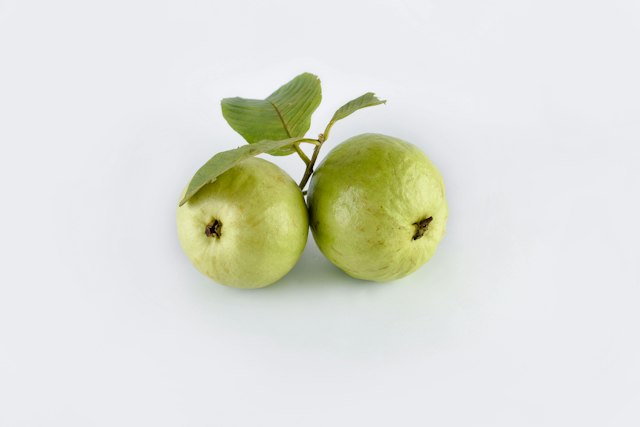
| Guava | Can dogs eat guava? |
| Avocado | Can dogs eat avocado? |
Common Myths About Dogs and Cantaloupe
| Myth | Reality |
|---|---|
| The rind is just extra fiber | The AKC, PetMD, and Purina all warn against it |
| Seeds are poisonous | Not toxic, but a choking hazard (AKC, PetMD) |
| It is a free snack because it is mostly water | It is high in sugar, so keep it occasional |
| More is better for hydration | Treats should stay under 10 percent of daily calories (PetMD) |
Frequently Asked Questions
Can dogs eat cantaloupe every day?
PetMD says to offer it occasionally because of its natural sugar, not every day.
Can dogs eat cantaloupe rind?
No. The AKC, PetMD, and Purina all warn against it. Call your vet right away if your dog ate some.
Can dogs eat cantaloupe seeds?
Seeds are not toxic, but they are a choking risk, so remove them.
Can puppies eat cantaloupe?
PetMD says small amounts are fine once puppies are eating solid food and tolerating fruit well.
Can diabetic dogs eat cantaloupe?
The AKC says it may not be a good choice because it is high in sugar. Ask your vet.
Can dogs eat frozen cantaloupe?
PetMD says yes in moderation, in appropriately sized pieces.
How much cantaloupe can a dog have?
PetMD suggests 1 to 2 pieces for dogs up to 20 lb, up to 3 for 21 to 30 lb, up to 5 for 31 to 50 lb, up to 6 for 51 to 90 lb, and a handful for larger dogs.
Is cantaloupe toxic to dogs?
Purina says melon is not toxic to dogs, but it is high in sugar, so keep portions moderate.
Resources
- AKC: Can dogs eat cantaloupe?
- PetMD: Can dogs eat cantaloupe? Benefits and risks
- Purina: Can dogs eat melon?
Related Guides
Final Thoughts
So, can dogs eat cantaloupe? Yes, as an occasional treat of ripe flesh with the rind and seeds removed, cut small, and kept under 10 percent of daily calories. Skip the rind completely, be careful with sugar for diabetic or overweight dogs, and ask your vet when you are unsure.