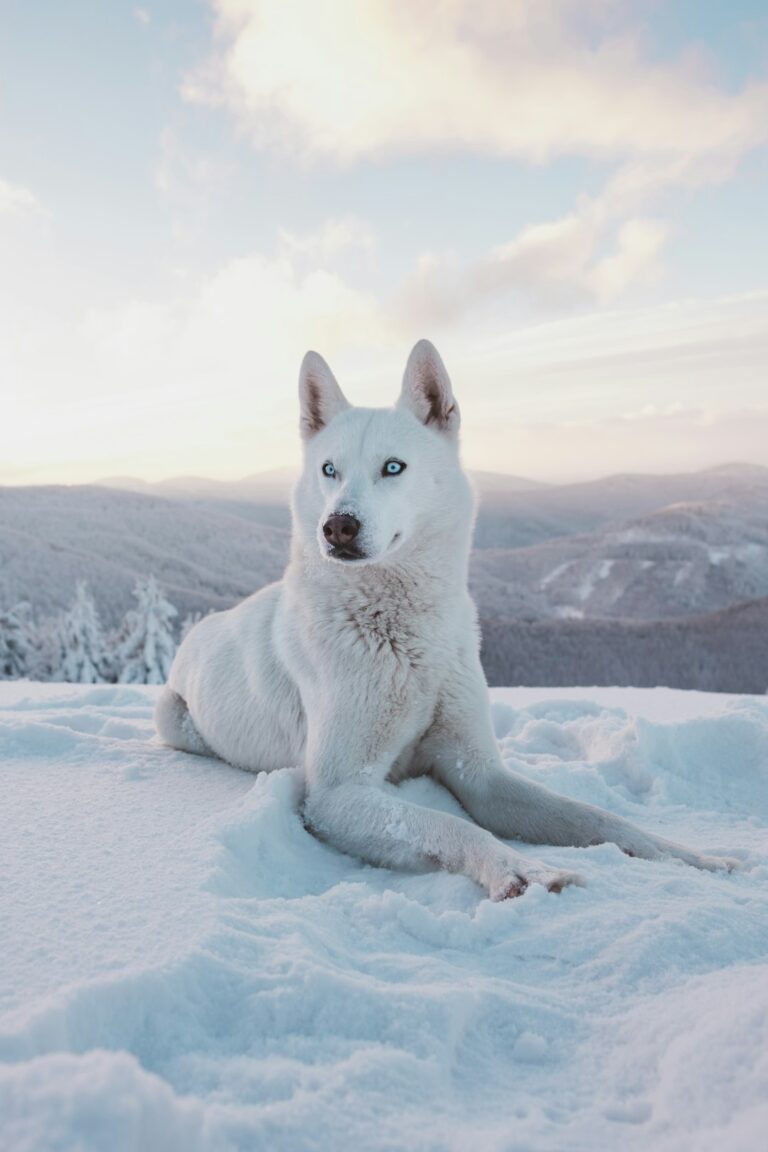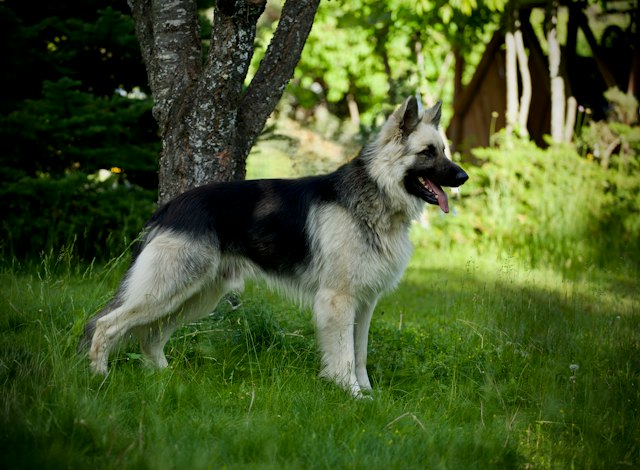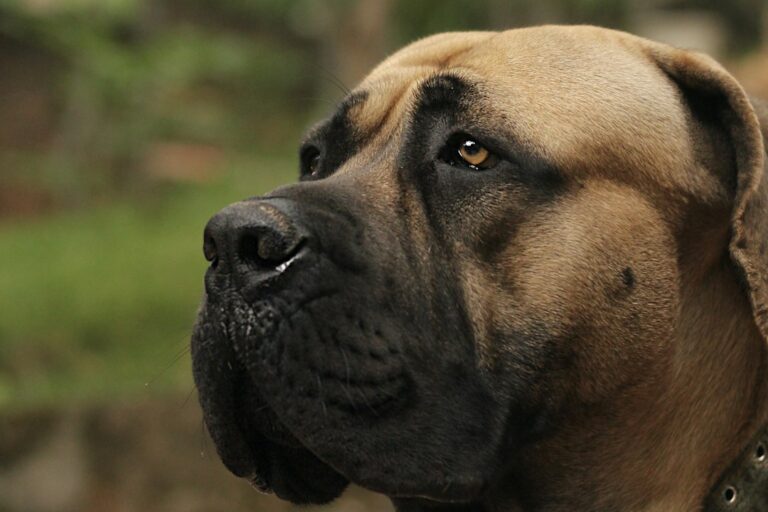
German Shepherd Doberman Mix: Size, Traits, Health

By the Paws and Facts Editorial Team. Educational information only, not veterinary advice. Sources are linked in the text and in the Resources section.
A German Shepherd Doberman mix is a cross between two large working breeds from Germany. People search for these puppies because they hope for the loyalty of a German Shepherd and the sleek, athletic build of a Doberman Pinscher. The honest truth is that no breed standard exists for this cross, so every litter can look and act differently. This guide explains what the parents are like, what size to expect, which health problems to ask about, and how to find a puppy from a responsible source.
We checked the American Kennel Club breed standards and Cornell University veterinary pages for the facts below. Where nothing reliable exists, such as lifespan or price for this specific cross, we say so instead of guessing.
Key Takeaways
- A mix has no official breed standard, so size, coat, and temperament vary from puppy to puppy.
- Both parents are tall, athletic dogs. The AKC standard lists Dobermans as 24 to 28 inches and German Shepherds as 22 to 26 inches, depending on sex.
- Dobermans are named first among breeds predisposed to dilated cardiomyopathy (DCM) by Cornell, and large deep chested dogs face bloat risk.
- Ask for health test results for both parents: hips, elbows, heart, eyes, thyroid, and the vWD DNA test.
- Plan for daily exercise, training, and supervision. These dogs are not a casual first pet.
What Is a German Shepherd Doberman Mix?
This cross is sometimes called a Shepherd Doberman or Doberman Shepherd mix. It combines a German Shepherd Dog with a Doberman Pinscher. Neither parent is a small dog, and both were developed as working dogs, so the puppies tend to need a job, exercise, and clear rules. Tendencies are not guarantees, which is why meeting the actual parents matters more than any breed description.
| Trait | German Shepherd (AKC standard) | Doberman Pinscher (AKC standard) |
|---|---|---|
| Height, male | 24 to 26 inches | 26 to 28 inches |
| Height, female | 22 to 24 inches | 24 to 26 inches |
| Coat colours | Many colours allowed, white coat is a disqualification | Black, red, blue, fawn |
| Body shape | Slightly longer than tall | Square, compact, muscular |
| Weight in standard | Not specified | Not specified |
Fact: The AKC standards for both breeds list heights but no weights. Any weight range you see online for this mix is an estimate, not a published standard.
Size and Appearance
Because both parents are large, expect a tall, lean, athletic dog. Using the AKC standards, the possible height range for a mixed puppy runs from the shortest German Shepherd female to the tallest Doberman male: roughly 22 to 28 inches. That is a span of six inches, so a puppy can land closer to either parent.

Coat and colour are less predictable. The Doberman parent usually brings a short, smooth coat in black, red, blue, or fawn with rust markings. The German Shepherd parent may bring a thicker double coat in black and tan, sable, or solid black. A puppy can inherit either coat type or something in between, and shedding level follows the coat.
Ears and tails also differ. The AKC German Shepherd standard disqualifies cropped or hanging ears and docked tails, while Doberman ears are often cropped in some countries. Ear cropping and tail docking are cosmetic procedures. Many vets and breed groups discuss them as optional, so ask your own vet before deciding.
Why Every Puppy in a Litter Can Differ
Puppies from two different breeds receive a random mix of genes from each parent. Siblings can differ in height, coat, energy, and even health risk. Some sellers claim mixed breeds are automatically healthier, a claim often called hybrid vigor. We could not find a reliable veterinary source that supports it for this cross, and a mixed puppy can still inherit health problems from both parents.
| What you can predict | What you cannot predict |
|---|---|
| Large adult size | Exact height and weight |
| Working dog energy | Which parent the temperament follows |
| Both parents need health screening | Whether a puppy inherits a problem gene |
| Need for early training | How strong guarding instincts will be |
Mix Height Range Estimator
Use this simple tool to see a possible adult height range. It does not predict your puppy. Formula: with no parent heights entered, it shows the AKC standard range that covers both parents for the chosen sex. With both parent heights entered, it shows the range between the two numbers. Limits: it ignores nutrition, growth stage, and individual genetics. Results are an estimate only, not a diagnosis or a guarantee.
Puppy sex
German Shepherd parent height in inches (optional)
Doberman parent height in inches (optional)
Temperament and Training
Both breeds are intelligent and were developed for work, so a mixed puppy often learns quickly and wants something to do. Sources disagree on temperament, and some competitor pages make absolute claims about how these dogs treat strangers or children. We avoid that here, because behaviour depends on genetics, early socialisation, training, and the individual dog.

- Start socialising early with people, sounds, surfaces, and other dogs in safe, controlled ways.
- Use reward based training and keep sessions short and consistent.
- Give mental work such as puzzle feeders, scent games, and obedience practice, not only walks.
- Supervise time with children and other pets, whatever the puppy seems like.
- Hire a qualified trainer if you see fear, guarding, or reactivity.
Tip: Ask the breeder or rescue to describe the temperament of both parents in plain words, and watch how the parents behave around strangers during your visit.
Health Risks to Ask About
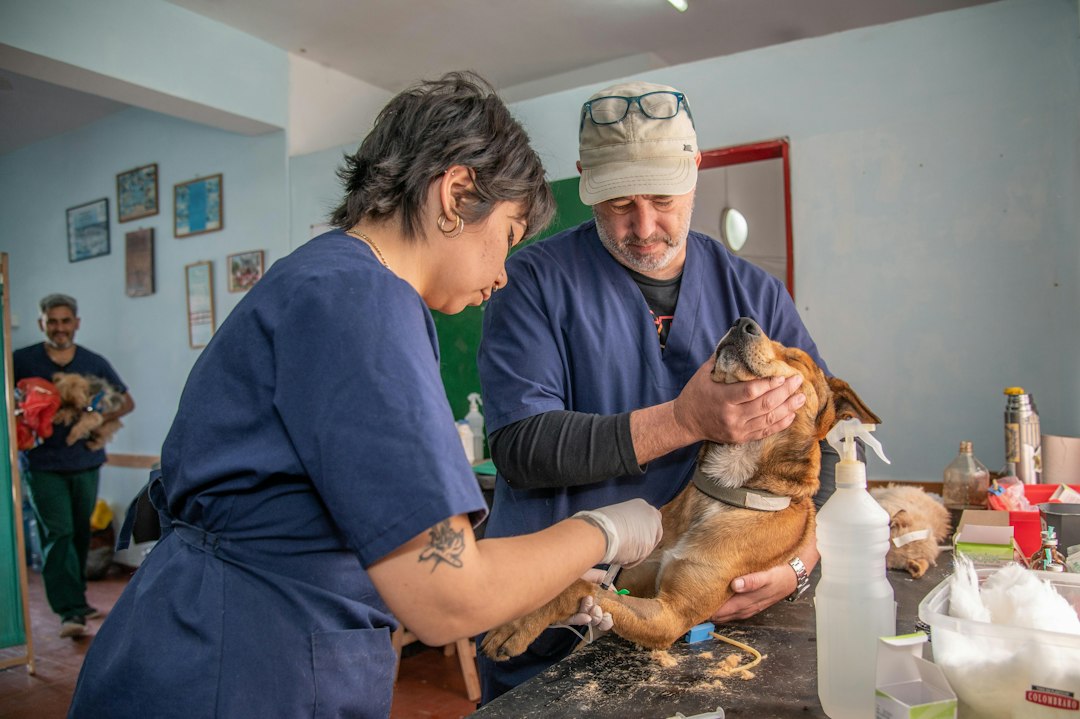
A mixed puppy can inherit health problems from either side. The risks below come from Cornell University veterinary pages and the breed clubs listed by the AKC. Documented risk for a parent breed does not mean your puppy will be affected, but it tells you what to ask about.
Dilated Cardiomyopathy (DCM)
Cornell lists Dobermans first among breeds predisposed to DCM, a disease of the heart muscle. Two common genetic variants, called PDK4 and TTN, are linked to risk, and the highest risk is seen when both are present. Many dogs show no early signs, and some collapse suddenly. Vets diagnose it with an echocardiogram, ECG, and related tests, and there is no cure. Read the full page at Cornell DCM guide.
Bloat (GDV)
Gastric dilatation volvulus, or bloat, is an emergency where the stomach swells and twists. Cornell includes Dobermans among high risk breeds. Signs include unproductive retching, drooling, a swollen or painful belly, and collapse. Treatment is surgery, and Cornell reports survival above 80 percent with treatment. Ask your vet about smaller meals and a preventive stomach tack called gastropexy. See the Cornell bloat page.
Emergency: A swollen belly with retching and restlessness needs a vet right away, not a wait and see approach.
Hips and Elbows
The German Shepherd national club recommends hip and elbow evaluations. The Orthopedic Foundation for Animals offers preliminary hip screening from 4 to 23 months and grades hips from excellent to severe. See the OFA hip dysplasia page.
Health Tests for Both Parents
The AKC lists the tests recommended by each national breed club. Ask the seller for the actual certificates, not a verbal promise.
| Parent | Recommended tests (national breed club via AKC) |
|---|---|
| Doberman Pinscher | Hip evaluation, cardiac exam, ophthalmologist evaluation, thyroid evaluation, vWD I DNA test |
| German Shepherd | Hip evaluation, elbow evaluation, temperament test |
Cornell also notes that screening and genetic testing may be recommended for DCM. Ask the breeder which cardiac tests they use and what the results were.
Exercise and Living Space
Expect an active dog. We could not find a reliable source for an exact number of minutes, and competitor pages disagree, so ask your vet to set a plan for your puppy. Young large breed puppies are still growing, so avoid hard jumping and long forced runs until your vet says the joints are ready.
- A secure yard or regular off leash safe areas are helpful, but a yard is not a replacement for time with you.
- Daily walks plus play and training give both body and brain work.
- A bored, under exercised dog may chew, dig, or bark.
- Large dogs need space to turn and stretch indoors, so think about your home size.
Finding a Responsible Breeder or Rescue

Mixed puppies are sold by many kinds of sellers, from careful breeders to people who simply want a quick sale. Because this cross has no registry standard, the seller matters more than the label. Rescues and shelters also have shepherd and Doberman type dogs, and adult dogs show you their real size and temperament.
- Can you meet both parents, or at least the mother?
- Can you see written health test results for both parents?
- Are puppies raised in a clean home and socialised before leaving?
- Is there a written contract and a promise to take the dog back at any age?
- Does the seller ask you questions about your home and experience?
Red flag: Be careful with sellers who offer many different breeds, refuse a visit, or say health tests are not needed because mixes are healthy.
Cost Checklist
We could not find a trustworthy price for this cross, and one competitor lists a figure with no source, so we do not repeat it. Instead, use this checklist to build your own budget from local quotes.
| Cost area | What to ask about |
|---|---|
| Puppy or adoption fee | Ask what is included, such as vaccines, microchip, and health checks |
| First vet visits | Vaccines, parasite control, spay or neuter timing |
| Food | Large breed puppy food and growth stage changes |
| Training | Puppy classes and a trainer if needed |
| Insurance or savings | Emergency surgery such as bloat can be costly |
| Gear | Large crate, bed, collar, leash, and chew toys |
Myths About This Mix
| Myth | Reality |
|---|---|
| Mixes are always healthier | No reliable source supports this for this cross. Ask for parent tests. |
| They are naturally aggressive | Behaviour depends on genetics, socialisation, and training. Avoid absolute claims. |
| All puppies look like the parents | Coat, size, and colour vary within a litter. |
| A yard is enough exercise | These dogs need time and mental work with you. |
Frequently Asked Questions
How big does a German Shepherd Doberman mix get?
Using the AKC standards, the parents together span about 22 to 28 inches. A mixed puppy can fall anywhere in that range, and no breed standard exists for the cross.
What is the lifespan of this mix?
We could not find a reliable source for this cross, and competitor figures were unsourced. Ask your vet and look at the age and health history of the parents.
Do these dogs shed?
It depends on the coat they inherit. A short Doberman style coat sheds less visibly than a thick German Shepherd double coat, but both shed.
Are they good family dogs?
Some are, with early socialisation, training, and supervision. Temperament varies, so meet the parents first.
Which health tests should I ask for?
For Dobermans, the national club recommends hips, cardiac, eyes, thyroid, and the vWD I DNA test. For German Shepherds, hips, elbows, and a temperament test.
Is bloat a risk?
Cornell lists Dobermans among high risk breeds. Ask your vet about meal size and gastropexy.
How much exercise do they need?
A lot, but we found no reliable exact figure. Your vet can set a plan that fits your puppy age.
How much do puppies cost?
We found no trustworthy price, so use the cost checklist above and get local quotes.
Resources
- AKC Doberman Pinscher breed standard
- AKC German Shepherd Dog breed standard
- Cornell: Dilated cardiomyopathy in dogs
- Cornell: Bloat (GDV)
- OFA: Hip dysplasia
Related Guides
Final Thoughts
A German Shepherd Doberman mix can be a loyal, athletic companion for an active owner who has time for training and is ready for large dog health costs. Because no standard exists, judge the individual puppy and its parents, ask for real health test results, and talk to your vet before you commit.