Can Dogs Have Garlic? Risks and What to Do
By the Paws and Facts Editorial Team. Educational information only, not veterinary advice. If your dog has already eaten garlic, call your vet or Pet Poison Helpline now instead of reading further.
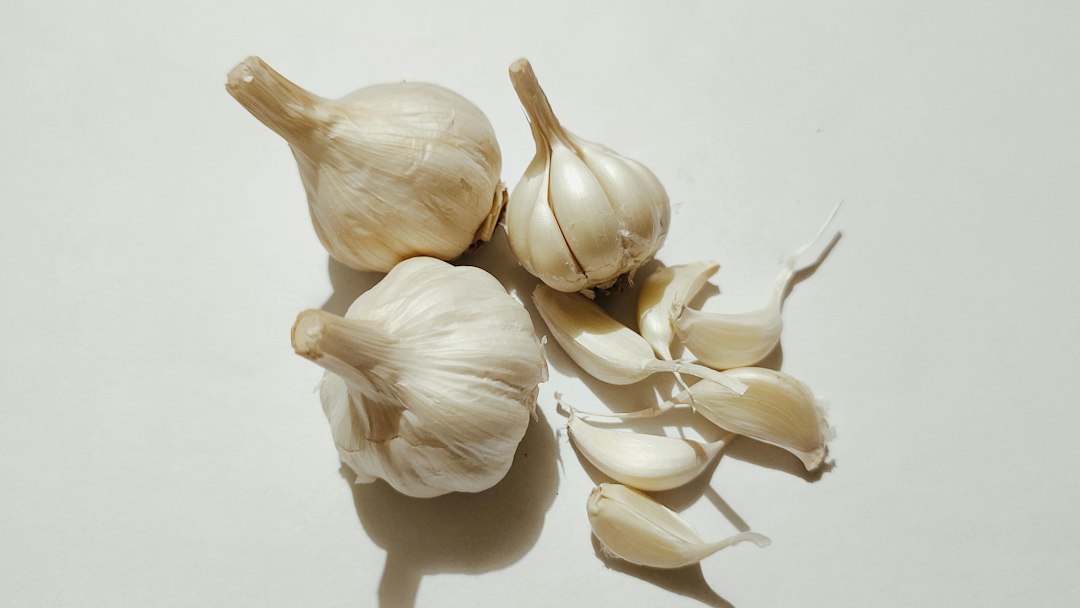
Owners often ask can dogs have garlic after a dropped slice of garlic bread or a spoonful of leftover sauce. The short answer is no. The AKC, ASPCA, and Pet Poison Helpline all treat garlic as unsafe for dogs. This guide explains why, what signs to watch for, and what to do, using those sources. It also shows where popular dosing charts do not hold up.
Key Takeaways
- The ASPCA lists garlic as toxic to dogs. It can break down red blood cells and cause hemolytic anemia.
- The AKC says powders, flakes, and cooked or baked garlic are still harmful.
- Early signs like vomiting can start within a few hours. Serious signs such as pale gums and dark urine can show up 2 to 5 days later (AKC).
- Akitas and Shiba Inus may be more sensitive, and dogs with anemia or liver disease may be at higher risk.
- We found no reliable safe dose. Dosing charts on other sites conflict with each other and are mostly unsourced.
Can Dogs Have Garlic? The Short Answer
No. Garlic belongs to the Allium family along with onions, chives, and leeks, and the AKC advises dogs to avoid all of them. The AKC says these plants contain thiosulfate, which can damage red blood cells. The ASPCA names the toxic principle as N propyl disulfide and lists vomiting, breakdown of red blood cells, blood in the urine, weakness, a high heart rate, and panting as signs.
| Form of garlic | Safe for dogs? | What the sources say |
|---|---|---|
| Raw clove | No | Toxic to dogs (ASPCA). Avoid all Allium plants (AKC). |
| Cooked or roasted garlic | No | The AKC says cooking does not make it safe |
| Garlic powder, flakes, soup mixes | No, most potent | The AKC says these are the most potent forms |
| Garlic bread, sauces, seasoned food | No | The AKC says garlic baked into bread or mixed into sauces is still harmful |
| Garlic supplements or flea products | No | The AKC advises against them, citing little evidence they work |
Why Is Garlic Dangerous for Dogs?
The harmful compounds damage red blood cells, which carry oxygen. When enough cells are damaged, a dog can develop anemia. The ASPCA names hemolytic anemia and Heinz body anemia among the clinical signs. The effect can be delayed, which is why a dog that seems fine after eating garlic can still get sick days later.
How Much Garlic Is Too Much?
This is the question most pages try to answer with a number, and it is where they disagree. The AKC gives no specific garlic threshold. Pet Poison Helpline says the toxic amount depends on how much was eaten, the dog size, and other factors. One veterinary site says as little as 2 grams per pound can upset the stomach, but we could not confirm that figure on a second source. Other pages publish weight based charts of safe cloves with no source. We do not repeat them.
| Claim on another site | Our check |
|---|---|
| As little as 2 grams per pound causes stomach upset (PetMD) | One veterinary reviewed page. Not confirmed on the AKC, ASPCA, or Pet Poison Helpline pages we opened. |
| A chart of safe cloves by dog weight (Pet Honesty) | Unsourced and sold alongside garlic products. We do not repeat it. |
| A table of concern thresholds by weight (Spot and Tango) | Called conservative but contradicts the same page quick answer. Unsourced. |
| Garlic is 3 to 5 times more toxic than onion (Spot and Tango) | The AKC says about five times more toxic ounce for ounce |
| A small amount is healthy (several pages) | The AKC says garlic is never considered safe to give on purpose |
Signs of Garlic Poisoning and When They Appear
Timing matters because signs can be delayed. The AKC says mild stomach upset such as vomiting or diarrhea can appear within a few hours, while more serious signs usually appear two to five days later. PetMD says signs usually appear within 24 hours but can take up to a week. Sources differ, so watch your dog for several days.
| Sign | What it may mean | Source |
|---|---|---|
| Vomiting or diarrhea | Stomach upset, often the first sign | AKC, ASPCA |
| Weakness, panting, fast heart rate | Red blood cells may be damaged | ASPCA, AKC |
| Pale gums, fast breathing | Possible anemia | AKC |
| Dark urine or blood in the urine | Red blood cell breakdown | AKC, ASPCA |
| Wobbly movement or bluish gums, tongue, or skin | Urgent. The AKC says veterinary care is urgently needed. | AKC |

What to Do If Your Dog Ate Garlic
Take away what is left so your dog cannot eat more.
Write down the form (clove, powder, bread, sauce), the rough amount, and the time, plus your dog weight.
Pet Poison Helpline is (855) 764 7661. PetMD notes a consultation fee may apply. The AKC says to call even before symptoms appear.
The AKC says treatment may include inducing vomiting or activated charcoal if caught early. Do not try to make your dog vomit at home unless your vet tells you to.
Delayed signs like pale gums, weakness, and dark urine can show up 2 to 5 days later, so keep watching.
Garlic Exposure Checker
This tool turns the AKC guidance into a quick next step prompt. How it works: it ranks urgency by symptoms first, then adds notes for the form of garlic and your dog. Limits: it cannot tell you a safe dose or judge how much poison your dog got. The result is an estimate only, not a diagnosis or veterinary advice. When in doubt, call your vet.
What did your dog eat?
Signs right now
Your dog
Garlic Bread, Sauces, and Seasoned Food
Most accidental exposures come from human food. The AKC says garlic baked into bread or mixed into sauces still contains harmful compounds, and that powders, flakes, and soup mixes are the most potent. One competitor says a single bite of some garlic bread may not cause anemia, but gives no source, and we cannot tell you how much is too little. Treat any garlic bread eaten as a reason to call your vet, and add the other ingredients in the bread, such as butter and cheese, to the list of things your dog should not have in large amounts.

Breeds and Dogs at Higher Risk
The AKC says Akitas and Shiba Inus may be more genetically sensitive to red blood cell damage, and Pet Poison Helpline also names Akitas and Shiba Inus as more sensitive. The AKC adds that dogs with liver disease or anemia may be at higher risk. We found no verified puppy specific figure, so ask your vet about puppies.

Garlic for Fleas and Supplements
Some owners add garlic to food or buy garlic flea products hoping to repel fleas. The AKC advises against them because there is little evidence they work and the amount needed can approach toxic levels. Talk to your vet about flea control that is proven and made for dogs.
- Keep garlic, onions, and seasoned leftovers out of reach
- Check labels on sauces and seasoning blends
- Keep Pet Poison Helpline (855) 764 7661 saved in your phone
- Ask your vet about safe flea control
- Feed garlic on purpose or add it to dog food
- Use garlic flea products
- Assume cooked or baked garlic is safe
- Wait for symptoms before calling
What the Vet May Do
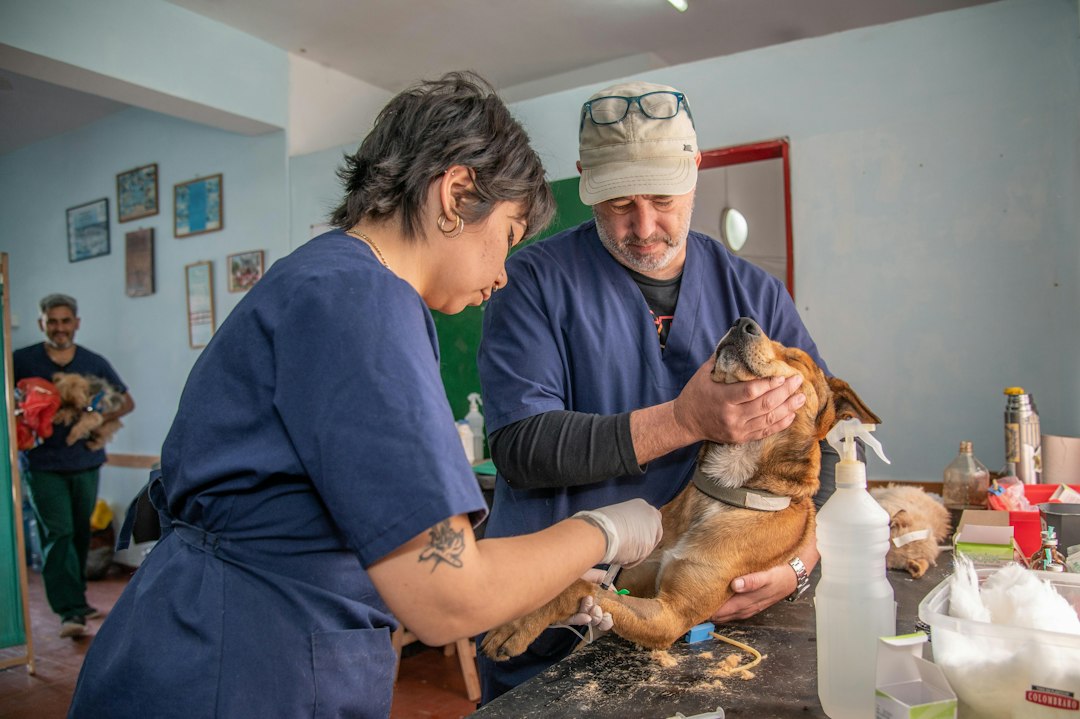
The AKC says treatment may include inducing vomiting or giving activated charcoal if the garlic was eaten recently. Dogs that are anemic may need hospitalization, IV fluids, oxygen, or in severe cases a blood transfusion. PetMD also mentions blood and urine tests. Outcomes depend on the dose and how early treatment starts, and we found no reliable recovery statistics, so we do not quote any.
Common Myths About Dogs and Garlic
| Myth | Reality |
|---|---|
| A little garlic is healthy for dogs | The AKC says garlic is never considered safe to give on purpose |
| Cooked garlic is safe | The AKC says cooking does not make it safe |
| Garlic repels fleas | The AKC says there is little evidence it works and advises against it |
| No symptoms means no problem | Serious signs can appear 2 to 5 days later (AKC) |
| Only large amounts matter | Sources give no safe amount, and sensitivity varies by dog |
Frequently Asked Questions
Is garlic toxic to dogs?
Yes. The ASPCA lists garlic as toxic to dogs, and the AKC says it can damage red blood cells.
What if my dog ate a small amount of garlic?
Call your vet or Pet Poison Helpline at (855) 764 7661. The AKC says to call even before symptoms appear, and we found no reliable safe amount.
Is garlic powder worse than fresh garlic?
The AKC says powders, flakes, and soup mixes are the most potent forms.
Can dogs eat cooked garlic or garlic bread?
No. The AKC says cooking does not make garlic safe, and garlic baked into bread is still harmful.
How long after eating garlic do symptoms start?
The AKC says stomach upset can start within hours and serious signs usually appear two to five days later. PetMD says within 24 hours but up to a week.
Are some breeds more sensitive?
The AKC and Pet Poison Helpline say Akitas and Shiba Inus may be more sensitive.
Can garlic help with fleas?
The AKC advises against garlic flea products because there is little evidence they work and the amount needed can approach toxic levels.
How is garlic poisoning treated?
The AKC says treatment may include inducing vomiting or activated charcoal if caught early, and hospital care with fluids, oxygen, or a transfusion for anemia.
Resources
- AKC: Can dogs eat garlic?
- ASPCA: Garlic, toxic and non toxic plants
- Pet Poison Helpline: Garlic
- PetMD: Can dogs eat garlic?
Related Guides
Final Thoughts
So, can dogs have garlic? No. Even cooked, baked, or powdered garlic is harmful, no reliable safe dose exists, and signs can be delayed by days. Keep garlic and seasoned leftovers away from your dog, and if an accident happens, call your vet or Pet Poison Helpline right away.