King German Shepherd: Size, Lifespan, Health and Cost

If you searched for a king german shepherd, you probably saw photos of a huge, fluffy shepherd dog and wondered if it is a special type of German Shepherd. It is not. The name usually points to the King Shepherd, a newer breed from the United States. Pages online disagree on its size, lifespan and price, so we compared Canine Journal, Dogster, PetGuide, A to Z Animals, Continental Kennel Club and Rover and checked health points with the ACVS and AKC.
Written by the Paws and Facts Editorial Team. We are not vets, so check health decisions with your own veterinarian.
Key Takeaways
- Not a purebred German Shepherd. The King Shepherd was developed in the United States in the 1990s from German Shepherd and other breeds.
- Very large. Sources give about 25 to 32 in tall and 80 to 150 lb, with males bigger than females.
- Lifespan is unclear. Pages say 10 to 12, 10 to 11 or 10 to 14 years.
- Needs 60 to 90 minutes of exercise and a big fenced yard.
- Watch for bloat and joint problems. Hip and elbow dysplasia and bloat are named by several sources.
- Not recognized by the AKC. Ask for health testing and registry papers, because some sellers pass off German Shepherd puppies as King Shepherds.
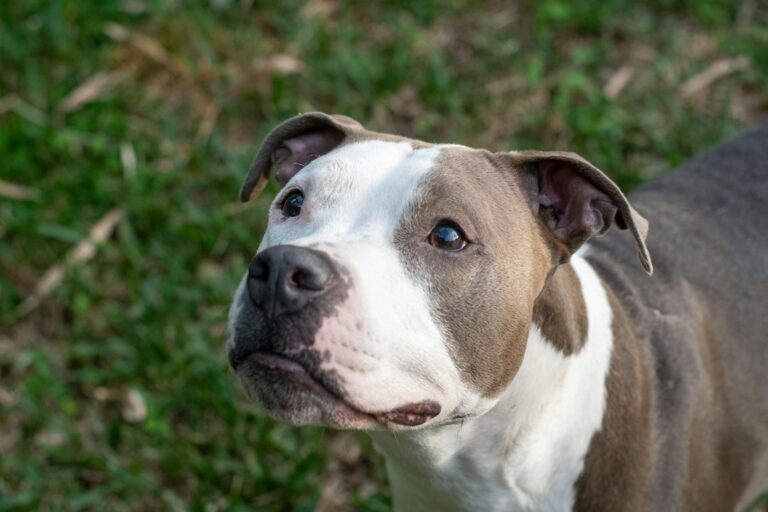
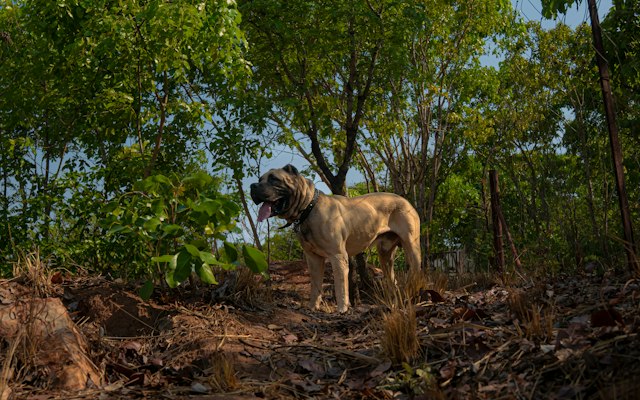
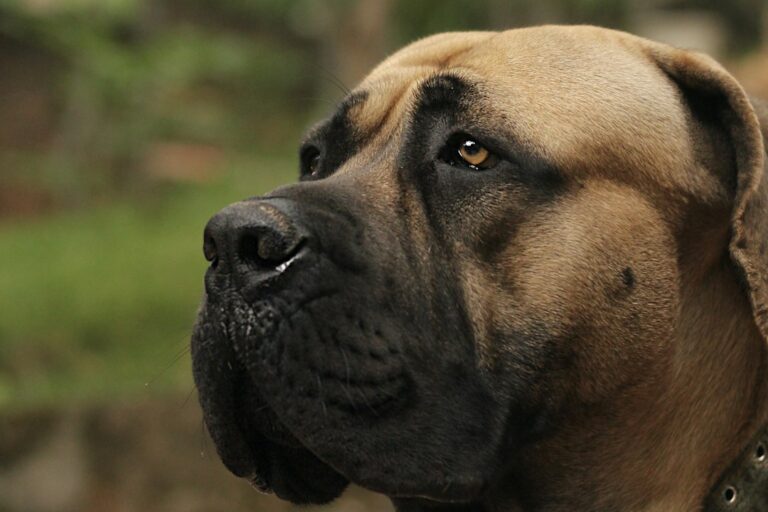
Photos on this page show shepherd type dogs for illustration. They are not confirmed King Shepherds.
What Is a King German Shepherd?
A king german shepherd is the common search name for the King Shepherd. Continental Kennel Club says it was developed in the early 1990s by David Turkheimer and Shelley Watts, who wanted a large guardian dog that looks like a German Shepherd but avoids some of that breed’s health and structure problems. Rover adds that the German Shepherd was crossed with the Alaskan Malamute or the Shiloh Shepherd, and some lines also use the Great Pyrenees or Akita.
| Quick fact | What the sources say |
|---|---|
| Origin | United States, 1990s (Continental Kennel Club, Rover) |
| Parent breeds | German Shepherd plus Shiloh Shepherd, Alaskan Malamute and sometimes Great Pyrenees or Akita (Rover, Canine Journal, Dogster) |
| AKC recognition | Not recognized (Canine Journal, Rover) |
| Who recognizes it | Smaller registries such as the Continental Kennel Club and the American Rare Breed Association (Rover, Canine Journal) |
| Group | Pastoral and Stock Dog breeds (Continental Kennel Club) |
| Goal of the breed | A guardian type dog with fewer German Shepherd health problems. We found no independent health study that proves this |
King Shepherd vs German Shepherd
A regular German Shepherd is a different breed. Wikipedia says males stand about 24 to 26 in and females about 22 to 24 in, and gives a lifespan of about 10 years across several studies. The King Shepherd is clearly bigger.
| Trait | King Shepherd | German Shepherd |
|---|---|---|
| Height | About 25 to 32 in (varies by source) | About 22 to 26 in (Wikipedia) |
| Weight | About 80 to 150 lb (varies by source) | No weight set in the AKC standard (Wikipedia) |
| Lifespan | 10 to 14 years claimed, mostly 10 to 12 | About 10 years (Wikipedia) |
| Recognition | Not AKC. Small registries only | FCI standard 166 (Wikipedia) |
| Coat | Medium to long double coat (Canine Journal) | Short, medium or long |
King German Shepherd Size and Weight
Sources do not agree, and some pages contradict themselves. One page gives 70 to 150 lb in a table but mentions dogs over 120 lb in the text. Another gives different figures in its text and its spec box. We show the ranges as published and do not pick a single number.
| Source | Males | Females |
|---|---|---|
| Continental Kennel Club | 100 to 150 lb, 27 to 32 in | 80 to 120 lb, 25 to 30 in |
| Rover | 90 to 150 lb, 27 to 31 in | 75 to 110 lb, 25 to 27 in |
| Dogster | 70 to 150 lb overall, 25 to 31 in overall | Females are usually smaller |
| Canine Journal | 90 to 140 lb in the spec box, 25 to 30 in | Text gives females over 100 lb |
Lifespan figures also differ: Dogster says 10 to 12 years, Canine Journal says 10 to 11, Continental Kennel Club says 11 to 14 and Rover says 10 to 14. One page even lists 4 years in one spot and 10 to 11 in another, so we ignore that page for lifespan. A safe summary is “about 10 to 12 years, and nobody has published a large study”.

King Shepherd Temperament and Family Life
Continental Kennel Club describes the breed as vigilant, loyal and stable, gentle with children when properly socialized, and says unprovoked aggression or fearfulness is incorrect for the breed. Rover says they are calm and loyal but often aloof with strangers. Canine Journal calls them friendlier and calmer than the German Shepherd but still protective. Dogster says they can be clingy and may not like being left alone for long.

King Shepherd Buyer Checklist
Because the breed is rare and not AKC recognized, buyer checks matter. This simple tool turns six points from the sources into a score.
Check your puppy plan
Formula: count the yes answers. Six means all main points are covered. Four or five means fix the gaps first. Fewer than four means you are not ready. Limits: this is a simple checklist built from points in Canine Journal, Rover, the AKC and the ACVS. It cannot spot a fake breeder or judge a puppy’s health. Estimate only, not veterinary advice.
King Shepherd Health Problems
Sources name the conditions below. None of them gives prevalence numbers for King Shepherds, so we give none. Claims that the breed is healthier than the German Shepherd come from the breed’s goals and from pages without studies, so treat them as unproven.
| Condition | Named by | What to know |
|---|---|---|
| Hip and elbow dysplasia | Rover, Dogster, Canine Journal | A joint problem that is common in large breeds. The AKC says signs can start as early as 4 months and responsible breeders screen breeding dogs |
| Bloat (GDV) | Dogster, Canine Journal | A life threatening emergency. See the next paragraph |
| Degenerative myelopathy | Rover, Dogster, PetGuide | A spinal cord disease listed by several pages |
| Allergies | Rover, Dogster | Listed as a possible issue |
| Von Willebrand disease and hypothyroidism | Dogster, PetGuide, A to Z Animals | A bleeding disorder and a thyroid problem. Ask your breeder what they test for |
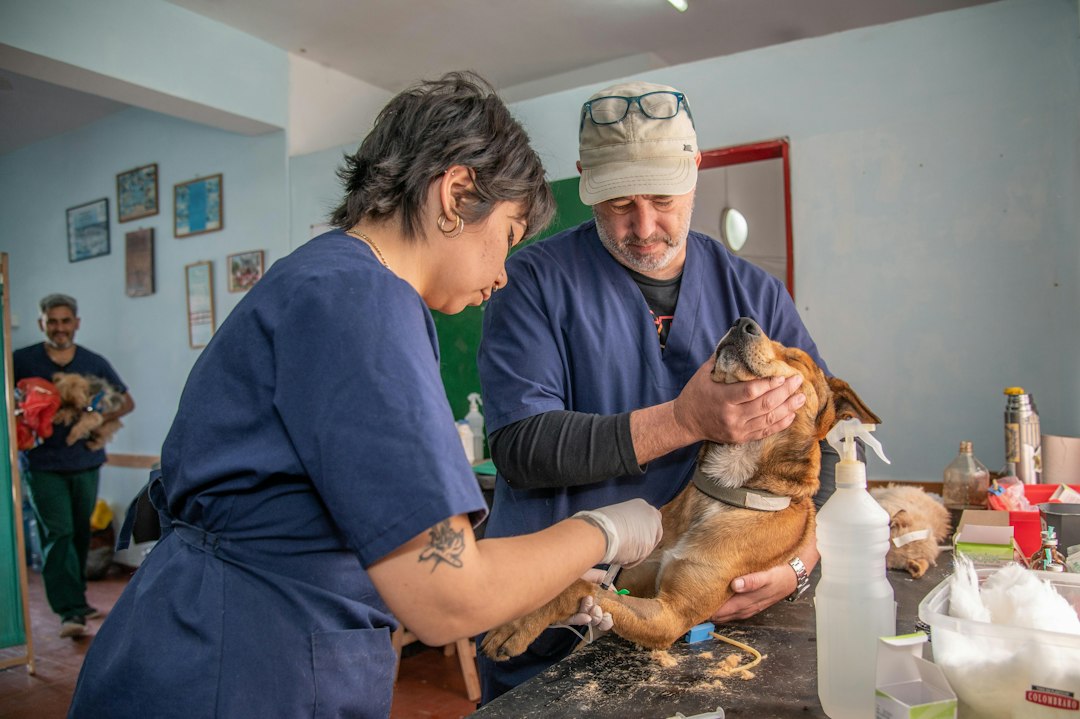
The ACVS says bloat can twist the stomach and needs immediate veterinary care, and that deep chested, large and giant breeds are at higher risk. It advises two to three smaller meals a day instead of one big meal and says to ask your vet about a preventive gastropexy. Early signs include restlessness, drooling, a swollen belly and unproductive retching. Go to an emergency vet at once if you see them.
Exercise and Training
Rover suggests 60 to 90 minutes of activity a day and Canine Journal suggests about 60 minutes, plus mental work. Dogster says to avoid high impact exercise until about 18 months, when the joints have developed. All sources say the breed is smart and trainable, and positive, consistent training is the common advice.
Introduce your puppy to people, places and sounds while it is young.
Reward calm behavior. A dog this big must learn leash manners early.
Skip long runs and hard jumping until about 18 months, as Dogster advises.
Canine Journal says a large home, a big yard and a tall fence suit the breed better than an apartment.
Canine Journal and A to Z Animals say the breed does not do well, and can become anxious, when left alone for long.
Feeding and Grooming
We found no verified feeding chart. Canine Journal says about 4 cups of dry food a day, split into at least two meals, and PetGuide says about 3 to 4 cups. Treat these as starting points only and ask your vet for amounts that fit your dog’s age, weight and activity. Do not feed right before or after hard exercise, which is a bloat tip from Canine Journal.
The coat is a medium to long double coat. Sources say the breed sheds a lot, so plan on brushing several times a week or daily, and more during seasonal shedding. Bathe only when needed, and keep up nail trims, ear checks and tooth brushing.
King Shepherd Puppy Price and Where to Buy
We found no price data from breeders or registries. Canine Journal says puppies start around $1,500 and A to Z Animals says $800 to $3,500, but neither shows its source, so treat those as unverified claims. Canine Journal also warns that German Shepherd puppies are sometimes sold as King Shepherds and that puppy mills exist.
Ask for hip and elbow results and what else the parents were screened for.
The AKC does not register this breed. Ask which club registered the parents and verify it yourself.
See their size, coat and temperament in person.
Use a written contract with a health guarantee.
Canine Journal lists rescues and shelters as an option, so check them too.

Related Dog Breed Guides
- Alsatian Golden Retriever cross
- Chow Shepherd cross
- Corgi Pitbull mix
- American Mastiff guide
- Breeding St Bernards
- Fila Brasileiro guide
Sources We Checked
- Canine Journal: King Shepherd
- Dogster: King Shepherd
- PetGuide: King Shepherd
- A to Z Animals: King Shepherd
- Continental Kennel Club: King Shepherd
- Rover: King Shepherd
- ACVS: Gastric Dilatation Volvulus
- AKC: Hip Dysplasia in Dogs
- Wikipedia: German Shepherd
Frequently Asked Questions
Is a King Shepherd the same as a German Shepherd?
No. The King Shepherd is a separate, newer American breed developed from German Shepherd and other breeds such as the Shiloh Shepherd and Alaskan Malamute.
How big does a King Shepherd get?
Sources give about 25 to 32 in tall and 80 to 150 lb, with males larger. The exact range depends on the source.
How long do King Shepherds live?
Pages say 10 to 12, 10 to 11 or 10 to 14 years. There is no large published study.
Is a King Shepherd recognized by the AKC?
No. Canine Journal and Rover say it is not AKC recognized. Smaller registries such as the Continental Kennel Club and the American Rare Breed Association recognize it.
Are King Shepherds good with children?
The Continental Kennel Club calls them gentle with children when properly socialized. Because of their size, always supervise play.
How much exercise does a King Shepherd need?
About 60 to 90 minutes a day, plus mental work. Avoid high impact exercise until about 18 months.
What health problems do King Shepherds have?
Sources name hip and elbow dysplasia, bloat, degenerative myelopathy, allergies, hypothyroidism and Von Willebrand disease. Ask breeders about health testing.
How much does a King Shepherd puppy cost?
We found no verified price. Some pages say about $1,500 to $3,500 but give no source, so check with several breeders and ask for health records.
Final Thoughts
A king german shepherd is really a King Shepherd, a very large and loyal dog that needs space, daily exercise, early training and a careful breeder. Check the size claims, ask for health tests, learn the bloat signs and talk to your vet before you decide. If your home and routine fit, a king german shepherd can be a devoted family guardian.