Alsatian Golden Retriever Cross: Size, Traits, Care
The Alsatian Golden Retriever cross is a mix of a German Shepherd and a Golden Retriever. In the UK and parts of Europe, the German Shepherd is still called an Alsatian, so this mix is also known as the Golden Shepherd. It is a smart, loyal, and active family dog, but it needs daily exercise, steady training, and a lot of time with its people.
This guide covers the size, looks, temperament, care, health risks, and cost of the Golden Shepherd. You will also find a side by side table of both parent breeds, a health screening checklist, and clear tips for finding a healthy puppy.
Key takeaways
- Size: 21 to 26 inches tall and about 50 to 90 pounds, so it is a medium to large dog.
- Lifespan: Most guides say 10 to 14 years, but the parent breeds live about 7 to 12 years, so plan for the shorter end.
- Exercise: At least 60 minutes a day, and many dogs need 1 to 2 hours.
- Shedding: Heavy. Expect weekly brushing, and daily brushing in spring and fall.
- Health: Watch for hip and elbow dysplasia, bloat, and degenerative myelopathy.
- Price: Often listed at $500 to $1,500 for a puppy, but it varies by breeder and region.
- Best for: Active families with time, space, and a plan for training.
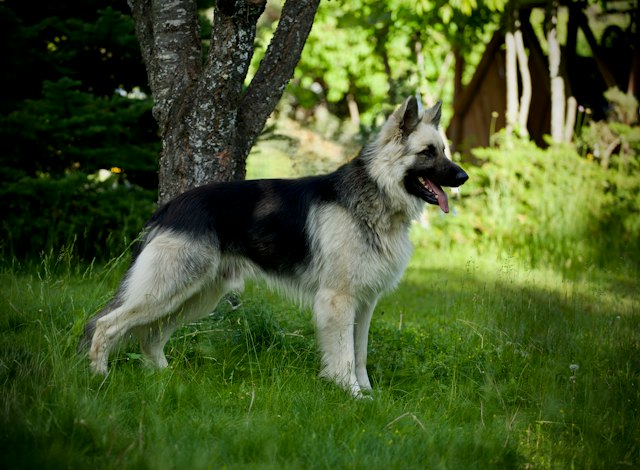
Photo note: this is a purebred German Shepherd, one of the two parent breeds. Photos of the mix vary a lot from dog to dog.
What is an Alsatian Golden Retriever cross?
An Alsatian Golden Retriever cross is a mixed breed dog with one German Shepherd parent and one Golden Retriever parent. It is not a recognized breed with the major kennel clubs, so there is no official breed standard. People breed the two to combine the intelligence and loyalty of the German Shepherd with the friendly, social nature of the Golden Retriever.
You may see the mix called by many names:
- Golden Shepherd
- German Shepherd Golden Retriever mix
- Golden Retriever German Shepherd mix
- Golden German Shepherd
- Alsatian Retriever mix
Because the mix is not standardized, no two dogs are alike. A puppy may look and act more like one parent, or like a blend of both. Even puppies from the same litter can differ in size, coat, and temperament.
Alsatian Golden Retriever cross at a glance
| Trait | Typical range |
|---|---|
| Height | 21 to 26 inches (53 to 66 cm) |
| Weight | 50 to 90 pounds (23 to 41 kg) |
| Lifespan | About 10 to 14 years in most guides |
| Coat | Dense double coat, medium to long, sheds heavily |
| Colors | Black and tan, sable, cream, golden, or mixed |
| Ears | Upright like a German Shepherd, or floppy like a Golden Retriever |
| Energy level | High |
| Exercise | 60 minutes a day at least, often 1 to 2 hours |
| Trainability | High, eager to please |
| Full size reached | About 18 to 24 months |
| Puppy price | Often $500 to $1,500 |
| Kennel club recognition | None. It is a mixed breed. |
Parent breeds compared
To guess what your puppy may become, look at both parents. The German Shepherd was developed in Germany in the late 1800s as a herding and working dog. The Golden Retriever was developed in Scotland in the mid to late 1800s as a gun dog that retrieves game.
| Trait | German Shepherd (Alsatian) | Golden Retriever |
|---|---|---|
| Height | 22 to 26 inches | 21 to 25 inches |
| Weight | 50 to 90 pounds | 55 to 75 pounds |
| Average lifespan | 7 to 10 years | 10 to 12 years |
| Personality | Loyal, alert, protective, can be reserved with strangers | Friendly, outgoing, patient, loves everyone |
| Typical jobs | Police work, search and rescue, service, herding | Retrieving, therapy, guide work, family pet |
| Common health risks | Hip and elbow dysplasia, degenerative myelopathy, epilepsy, bloat | Hip and elbow dysplasia, eye problems, allergies, thyroid problems, bloat |

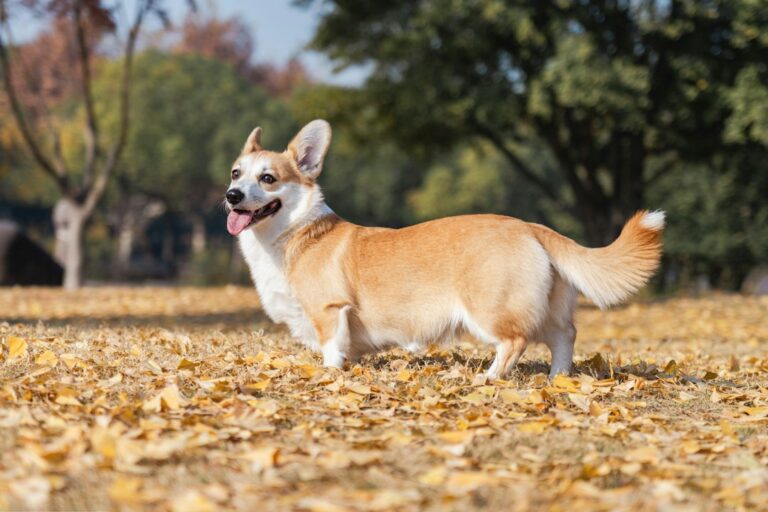
Golden Retriever parent

German Shepherd parent
Size and appearance
A full grown Golden Shepherd is a medium to large dog. Males are usually bigger and heavier than females. Because the two parent breeds have a similar build, the size of the mix is fairly predictable, but the exact look is anyone’s guess. Here is what to expect:
- Coat: Dense and double layered, from short to long. The outer coat sheds water, and the soft undercoat sheds in large amounts.
- Colors: Black and tan, sable, cream, golden, or a mix. Some have a golden body with a darker mask on the face.
- Ears: Upright like a German Shepherd, or folded and floppy like a Golden Retriever.
- Tail: Often long and feathered, and nearly always wagging.
- Growth: Most reach full size by 18 to 24 months. Feed a large breed puppy food while they grow.
Temperament and personality
The Golden Shepherd is often described as the best of both parents: the brains and drive of the German Shepherd, and the easygoing, friendly attitude of the Golden Retriever. Most are affectionate, people focused, and happy to follow you from room to room. After they burn off energy, many are glad to relax on the couch.
| Trait | What to expect |
|---|---|
| With family | Loving and loyal. Often called a Velcro dog. |
| With children | Usually good when well socialized, but supervise because of size and energy. |
| With other pets | Usually good if socialized early. |
| With strangers | Can range from friendly to reserved, depending on the parent they take after. |
| Barking | Can be alert and vocal, especially if they inherit the German Shepherd guarding instinct. |
| Alone time | Poor. They may bark, chew, or dig if left alone for long hours. |
Exercise needs
With two high energy parents, this mix needs at least 60 minutes of activity a day, and many dogs do better with 1 to 2 hours. A short walk around the block is not enough. Without exercise and mental work, they can become bored and destructive.

Good daily activities:
- Brisk walks, jogging, and hiking
- Fetch and other retrieving games, which suit the Golden Retriever side
- Swimming, once they are safely introduced to water
- Obedience practice, agility, and rally
- Puzzle toys and food puzzles for rainy days
Keep hard exercise gentle for puppies, because their joints are still growing. Ask your vet how much activity is right at each age.
Training and socialization
Both parent breeds are highly intelligent and eager to please, so the mix is usually very trainable. Use reward based training with praise, petting, and small treats. Harsh methods can damage trust in this sensitive, loyal dog. Some dogs go through a stubborn or sensitive stage in adolescence, so stay patient and consistent.

- Start early. Begin socialization as a young puppy, with short, happy meetings with people, sounds, and well managed dogs.
- Join puppy classes. They teach cues and give safe time with other dogs.
- Teach calm behavior. Reward settling down, not only activity.
- Manage barking. If your dog has the German Shepherd alert instinct, teach a quiet cue early.
- Involve the whole family. Everyone should use the same words and rules.
- Get help if needed. First time owners often find a trainer very useful.
Grooming and shedding
Both parents shed moderately all year and heavily in spring and fall, so expect hair on your clothes, floors, and furniture. This is not a good choice for people with dog allergies or anyone who wants a clean, hair free home.

| Grooming task | How often |
|---|---|
| Brushing | 2 to 3 times a week, and daily in shedding season |
| Bath | Only when needed, with a dog shampoo |
| Nail trim | Every few weeks, or when you hear nails clicking |
| Ear check and cleaning | Regularly, especially for dogs with floppy ears |
| Teeth brushing | Daily if you can, or as often as possible |
A slicker brush or an undercoat rake reaches through the outer coat to the soft undercoat. Regular brushing also helps you spot skin problems, lumps, and ticks early.
Feeding a Golden Shepherd
- Puppies: Feed a large breed puppy food, in 3 to 4 small meals a day. Large breed formulas help control growth for healthier joints.
- Adults: After about 18 to 24 months, switch to an adult food and feed 2 meals a day.
- Amount: Follow the food label as a starting point, then adjust to keep your dog lean. You should be able to feel the ribs without seeing them.
- Treats: Count them in the daily calories. Large dogs can become overweight, which stresses the joints.
- Bloat prevention: Split food into at least two meals, and avoid hard exercise right after eating.
Your vet can set exact portions based on your dog’s age, weight, and activity.
Health problems and lifespan
A mixed breed can inherit health problems from both parents. Some experts say hybrids tend to have fewer problems than purebreds, but there is no guarantee. Most guides give a lifespan of 10 to 14 years. Since German Shepherds often live 7 to 10 years and Golden Retrievers 10 to 12, a realistic expectation is around 9 to 13 years.
| Condition | Why it matters | What to do |
|---|---|---|
| Hip and elbow dysplasia | Joint disease common in both parents. Causes pain and limping. | Ask for hip and elbow scores for both parents. Keep your dog lean. |
| Bloat (gastric dilatation volvulus) | The stomach fills with gas and may twist. It is life threatening. | Feed smaller meals. Go to the vet at once if the belly swells or your dog retches without vomiting. |
| Degenerative myelopathy | A progressive spinal cord disease that weakens the back legs. Seen in German Shepherds. | Ask whether the parents were tested. |
| Eye problems | Cataracts and progressive retinal atrophy occur in the parent breeds. | Ask for eye exams on the parents. Do yearly checks. |
| Allergies and skin problems | Common in Golden Retrievers. Cause itching and ear infections. | Talk to your vet if your dog itches often. |
| Epilepsy and heart problems | Listed in the parent breeds by several breed guides. | Ask the breeder about family history. |
| Cancer | Both parent breeds have cancer risks, including hemangiosarcoma in German Shepherds. | Do regular vet checks and report new lumps early. |
Regular vet visits, vaccines, dental care, a healthy weight, and the right amount of exercise are the best ways to give your dog a long life.
Is the Golden Shepherd right for your home?
| Situation | Fit |
|---|---|
| Active family with children | Great, with training and supervision. |
| Runner, hiker, or outdoor person | Excellent. They love to join you. |
| Work from home | Very good, since they want to be near you. |
| Apartment | Possible only if you give 1 to 2 hours of outdoor exercise every day. A house with a yard is easier. |
| Away from home all day | Poor, unless you hire a walker or use daycare. |
| First time dog owner | Possible with a trainer and a lot of time. |
| Allergy sufferer or hair free home | Poor, because of heavy shedding. |
How much does a Golden Shepherd cost?
Puppy prices are often listed at $500 to $1,500, but they change with the breeder, the location, and the health testing done on the parents. Adoption fees from a shelter or rescue are usually lower. Be careful with very cheap puppies, because low prices can mean no health testing and poor care.
The purchase price is only the start. Plan for these ongoing costs for a large, active dog:
- Quality large breed dog food
- Vet visits, vaccines, parasite control, and dental care
- Pet insurance or an emergency savings fund
- Training classes, a strong leash, a crate, and a bed
- Grooming tools, and a lot of vacuum bags
- Boarding, daycare, or a walker when you travel or work late
How to find a healthy Golden Shepherd puppy
There are not many Golden Shepherd breeders, so start with adoption. Shelters and rescues often have mixed breed dogs that look like this cross. If you go to a breeder, ask these questions:
- Were both parents health tested for hips, elbows, eyes, and degenerative myelopathy? Can I see the results?
- Can I meet the parents and see where the puppies are raised?
- How are the puppies socialized before they go home?
- Do you offer a written contract and a health guarantee?
- Will you take the dog back if I cannot keep it?
Red flags: no health testing, dirty or crowded living conditions, refusing to let you visit, many litters at once, or a promise that the temperament or coat is guaranteed. No breeder can guarantee those in a mixed breed.
Pros and cons
| Pros | Cons |
|---|---|
| Smart and easy to train | Needs 1 to 2 hours of exercise a day |
| Loyal and loving with family | Sheds heavily |
| Often friendly with kids and pets | May bark and guard |
| Great partner for hiking and sports | Does not like long hours alone |
| Can be a calm house dog after exercise | Prone to joint problems and bloat |
| A mix of two popular, well known breeds | Looks and temperament are unpredictable |
Golden Alsatian and Alsatian Cross: Other Names
Alsatian is another name for the German Shepherd. So when people search for a golden alsatian or an Alsatian cross with a Golden Retriever, they mean the mix described in this guide. A mastiff Alsatian cross is a different mix with a different parent. You can read about the mastiff side in our American Mastiff guide, or compare another German Shepherd mix in our chow shepherd cross guide.
Frequently asked questions
Is an Alsatian the same as a German Shepherd?
Yes. Alsatian is the older name for the German Shepherd, still used in the UK and parts of Europe. It is the same breed.
How big does a Golden Shepherd get?
Most grow to 21 to 26 inches tall and 50 to 90 pounds. Males are usually larger than females. They reach full size at about 18 to 24 months.
How long do Golden Shepherds live?
Most guides say 10 to 14 years. A realistic range is about 9 to 13 years, since both parent breeds have shorter lifespans than small dogs. Good care and a healthy weight help.
Do Golden Shepherds shed a lot?
Yes. They shed moderately all year and heavily in spring and fall. Brush them 2 to 3 times a week, and daily in shedding season.
Are Golden Shepherds good with kids?
Usually yes, when they are socialized early. Because they are large and energetic, always supervise play with small children.
Are Golden Shepherds aggressive?
Not usually. They are mostly friendly and loyal. Some inherit the German Shepherd guarding instinct and may bark at strangers, so early socialization and training matter.
Can a Golden Shepherd live in an apartment?
It is possible only if you give 1 to 2 hours of outdoor exercise every day. A house with a yard suits them better, and they should not be left alone for long hours.
How much exercise does a Golden Shepherd need?
At least 60 minutes a day, and many need 1 to 2 hours of walking, running, fetch, and mental games.
Is a Golden Shepherd good for first time owners?
It can be, if you have time and get help from a trainer. They are smart and eager to please, but their energy and size can overwhelm a new owner.
How much does a Golden Shepherd puppy cost?
Often $500 to $1,500, depending on the breeder and health testing. Adoption fees are usually lower.
This guide is for education only. It does not replace advice from your veterinarian or a qualified trainer.
Helpful resources
- Daily Paws: Golden Shepherd breed profile
- PetPlace: traits, temperament, and care guide
- AKC: German Shepherd Dog breed information
- AKC: Golden Retriever breed information
- Orthopedic Foundation for Animals: health testing for dogs
- PetMD: bloat in dogs
Final thoughts
The Alsatian Golden Retriever cross is a smart, loving, and energetic dog that suits active homes. It rewards you with loyalty and fun, but it also asks for daily exercise, regular grooming, and good training. Choose a puppy from a breeder who health tests both parents, or adopt a mixed breed from a rescue, and plan for the long term. If you have the time and the energy, the Golden Shepherd can be a wonderful family companion.