
Canario Dog vs Cane Corso: Key Differences
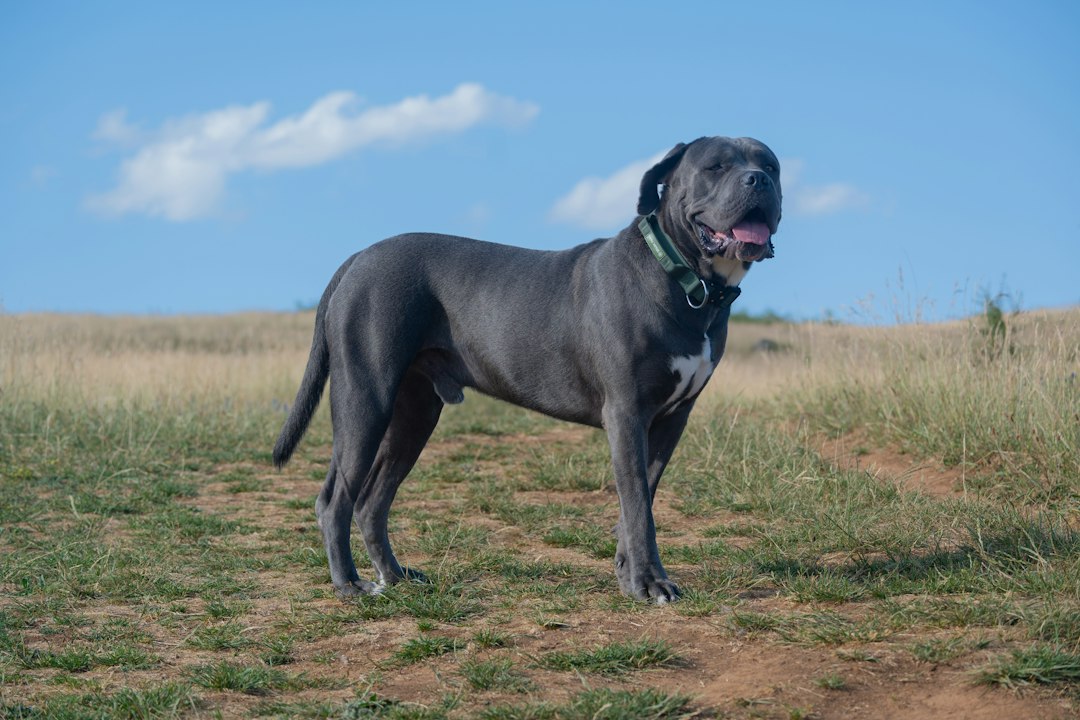
In the canario dog vs Cane Corso debate, both are giant Mastiff type guardians, but they are not the same. The Cane Corso is an Italian guardian that is usually easier to train and better with family. The Presa Canario (also called the Dogo Canario) is a heavier, more intense Spanish dog that needs a very experienced owner. Both need firm training, early socialization, and a lot of space.
This guide compares size, looks, temperament, training, exercise, health, lifespan, cost, and local laws. Take the quick quiz to see which breed suits your home, and read the legal section before you buy, because rules and insurance limits are stricter for one of these breeds.
Key Takeaways
- The Cane Corso is usually more handler focused and a bit easier for experienced owners.
- The Presa Canario is heavier, more dominant, and often limited by breed rules.
- Both weigh about 90 to 130 pounds and live 9 to 12 years.
- Both need 1 to 2 hours of exercise and early, steady training.
- Neither is a good first dog.
- Always check local laws and insurance before buying.
Canario Dog vs Cane Corso at a Glance
| Trait | Presa Canario | Cane Corso |
|---|---|---|
| Origin | Canary Islands, Spain | Italy |
| Male height | 23 to 26 inches | 25 to 27.5 inches |
| Male weight | About 110 to 130 lb | About 99 to 110 lb |
| Female weight | About 85 to 110 lb | About 88 to 99 lb |
| Lifespan | 9 to 11 years | 9 to 12 years |
| Coat | Short, coarse, low shedding | Short, dense, moderate shedding |
| Temperament | Dominant, independent, intense | Confident, loyal, handler focused |
| Exercise | 1 to 2 hours daily | 1 to 2 hours daily |
| Training level | Expert owners only | Experienced owners |
| Breed rules | More common restrictions | Fewer restrictions |
| Recognition | UKC, AKC Foundation Stock Service | AKC Working Group |
Origin and History
The Cane Corso comes from Italy and descends from Roman war dogs. Farmers used it to guard property, drive cattle, and hunt boar. The breed nearly vanished in the 20th century, was revived by Italian fans in the 1970s, and joined the AKC Working Group in 2010.
The Presa Canario comes from the Canary Islands, which lie in the Atlantic Ocean off Africa and belong to Spain. It was bred to guard livestock and catch wild cattle. Numbers fell sharply in the 1900s, and fans rebuilt the breed from the 1970s. The Presa Canario is in the AKC Foundation Stock Service and fully recognized by the UKC.
Size and Appearance
The Cane Corso is taller and more athletic, with a sleek, muscular frame and a large square head. The Presa Canario is shorter but heavier, with a broad chest, thick bone, and a wide head. Many Presas have a black mask and a lean, catlike foot.
| Feature | Presa Canario | Cane Corso |
|---|---|---|
| Build | Broad, heavy, powerful | Athletic, square, balanced |
| Head | Wide, strong jaw | Large, with pronounced jowls |
| Colors | Fawn, brindle, black | Black, gray, fawn, red, brindle |
| Face mask | Often black | Often black or gray |
| Ears | Natural, folded | Natural or cropped (cropping is banned in many places) |

Temperament and Personality
Both breeds are loyal to family, alert, and protective. The difference is how they handle strangers, stress, and other dogs.
- Cane Corso: confident and calm when well raised, watchful of strangers, and strongly bonded to its handler. It usually responds well to clear guidance.
- Presa Canario: more independent and dominant, with a stronger guarding drive. It can be affectionate with family but distant with strangers, and it often prefers to be the only dog.
Which is more aggressive? Neither is aggressive by default, but the Presa Canario is usually considered the more intense and harder to manage breed. Genetics, early socialization, and handling matter more than breed alone, and any large guardian dog can be dangerous in the wrong hands.
Training and Socialization
Start in puppyhood. Both breeds are smart but strong willed, so training must be firm, fair, and consistent. Harsh methods make guardian dogs worse.
- Socialize between 8 and 16 weeks with people, sounds, surfaces, and calm dogs.
- Teach the basics: sit, down, stay, come, and leave it.
- Practice loose leash walking before your puppy gets big.
- Build impulse control with wait and settle games.
- Hire a trainer with giant breed experience, especially for a Presa Canario.
- Keep training for life. Adolescence from 8 to 24 months is the hardest phase.

Exercise and Daily Care
Plan for 1 to 2 hours of activity a day for either breed, split between walks, play, and training. Avoid hard running and jumping until the joints finish growing at about 18 months. Both need a secure fence of at least 6 feet, since a bored giant dog can dig, chew, or escape.
- Grooming: brush once a week, bathe every 6 to 8 weeks.
- Nails and ears: trim nails monthly and check ears weekly.
- Feeding: large breed food in two or three meals a day, with rest after eating to lower bloat risk.
- Heat: keep them cool in summer, since giant dogs overheat easily.
Which Breed Fits Your Home? Quick Quiz
Answer five quick questions for a rough match. This quiz is only a guide, so also speak with a breeder, rescue, and trainer.
Cane Corso or Presa Canario Quiz

Health and Lifespan
Both breeds live 9 to 12 years, which is typical for giant dogs. Buy only from breeders who test the parents for hip and elbow problems and heart disease.
| Condition | Cane Corso | Presa Canario |
|---|---|---|
| Hip and elbow dysplasia | Common | Common |
| Bloat (GDV) | Risk | Risk |
| Eyelid problems (entropion) | Common | Seen |
| Heart disease (DCM) | Seen | Less data |
| Demodectic mange and skin issues | Seen | Seen |
| Epilepsy | Seen | Seen |
| Heat stress | Risk | Risk |
What is bloat? Bloat, or GDV, is when the stomach twists. A swollen belly, retching with nothing coming up, and restlessness mean an emergency vet visit right away. Feed smaller meals and avoid hard exercise after eating.
Guarding Style and Protection
Both breeds guard by instinct, and neither needs guard training. In fact, formal protection training is not advised for family homes. What differs is the style.
| Guarding Trait | Cane Corso | Presa Canario |
|---|---|---|
| Reaction to strangers | Watchful, usually waits for a cue | Quicker to act, less filtered |
| Handler control | Higher | Lower, more independent |
| Territory | Strong | Very strong |
| Barking | Moderate | Moderate, deep voice |
| Need for a fenced yard | Yes | Yes, with a secure gate and lock |
Because both are powerful, owners are responsible for keeping gates locked, using a leash in public, and warning visitors. A well socialized dog stays calm around guests, but never leave a giant guardian dog alone with strangers or children.
How to Choose a Good Breeder or Rescue
The breeder matters more than the breed. Poor breeding is behind many of the behavior and health problems seen in both dogs.
- Ask for health tests on both parents: hips, elbows, eyes, and heart.
- Meet the parents and confirm they are calm and stable around strangers.
- Avoid sellers who offer many litters, sell very young puppies, or promise an aggressive guard dog.
- Ask for a written contract and a return policy.
- Consider a rescue. Breed rescues can match you with an adult dog whose temperament is already known.
- Expect a waiting list and questions about your home. Good breeders screen buyers.
Indoor Behavior and Daily Life
Both breeds are calm indoors once exercised, but they are big. A tail can clear a coffee table, and drool is common, especially in the Cane Corso. They want to be near their people and do poorly when left alone for long hours.
- Space: a large crate and a sturdy bed are needed.
- Alone time: keep it short, and build it up slowly.
- Travel: plan for a large vehicle and a safe crate.
- Cost of damage: bored giant dogs destroy furniture and fences quickly.
Puppy Price and Yearly Cost
Prices vary by region and bloodline. These are estimates, not quotes.
| Expense | Estimated Cost |
|---|---|
| Cane Corso puppy from a breeder | $1,500 to $5,000 |
| Presa Canario puppy from a breeder | $1,500 to $4,000, harder to find good breeders |
| Adoption fee | $150 to $500 |
| Food, per year | $900 to $2,000 |
| Vet care and vaccines, per year | $500 to $1,000 |
| Training and socialization | $300 to $1,500 |
| Fencing, crate, and supplies | $500 to $2,000 |
| Pet insurance, per year (if offered) | $500 to $1,200 |
Laws, Insurance, and Housing
This is where the two breeds differ the most. The Presa Canario appears on more restricted dog lists, and some countries limit importing it. Some landlords and insurers also exclude one or both breeds. The Cane Corso faces fewer limits, but it still appears on some insurance lists.
- Check city and county rules before you buy.
- Ask your landlord or HOA in writing.
- Ask your home insurer if either breed is covered.
- Check pet insurance for breed exclusions.
- If you plan to travel with your dog, check airline and import rules for both breeds.

Family, Kids, Other Pets, and First Time Owners
| Situation | Cane Corso | Presa Canario |
|---|---|---|
| First time dog owner | Not recommended | No |
| Young children | Possible with supervision | Usually not advised |
| Another dog | Often fine if socialized | Often prefers to be the only dog |
| Cats and small pets | Depends on the dog | Depends, often high prey drive |
| Apartment living | Poor | Poor |
| Home with a large fenced yard | Good | Good |
Pros and Cons
| Breed | Pros | Cons |
|---|---|---|
| Cane Corso | Loyal, trainable, imposing, low grooming | Strong, wary of strangers, health costs |
| Presa Canario | Devoted, powerful, great guardian | Dominant, legal limits, needs an expert owner |
Which Should You Choose?
- Choose a Cane Corso if you have some large dog experience, want a loyal guardian, and can commit to daily training.
- Choose a Presa Canario if you are a very experienced owner with no young children, a secure property, and clear permission under local rules.
- Choose neither if this is your first dog, you rent with breed rules, or you cannot give 1 to 2 hours a day.
Frequently Asked Questions
Which is bigger, a Presa Canario or a Cane Corso? The Presa Canario is usually heavier, around 110 to 130 pounds for males. The Cane Corso is slightly taller, at 25 to 27.5 inches.
Is a Presa Canario a Cane Corso? No. They are separate breeds from different countries, though both are Mastiff type guardian dogs.
Which is easier to train? The Cane Corso is usually easier because it is more handler focused. Both need an experienced owner.
Which is better with kids? A well socialized Cane Corso under supervision is the safer choice. The Presa Canario is usually not advised for homes with young children.
Is the Presa Canario banned? Not everywhere, but it faces more restrictions than the Cane Corso in some cities, countries, and insurance policies. Check local rules first.
How long do they live? The Cane Corso lives about 9 to 12 years and the Presa Canario about 9 to 11 years.
Do they need a lot of exercise? Yes. Plan for 1 to 2 hours a day of walks, play, and training.
What is the Dogo Canario? It is another name for the Presa Canario.
Helpful Resources
- AKC Cane Corso breed profile
- AKC Presa Canario breed profile
- Orthopedic Foundation for Animals health testing
- ASPCA dog care tips
Related Guides
Final Thoughts
In the canario dog vs Cane Corso choice, the Cane Corso is usually the easier and safer option for experienced owners, while the Presa Canario demands expert handling and faces more legal limits. Whichever you pick, buy from a health testing breeder, socialize early, train daily, and check your local laws first.