Boxer Mix With Pit: Size, Temperament, Health, Cost
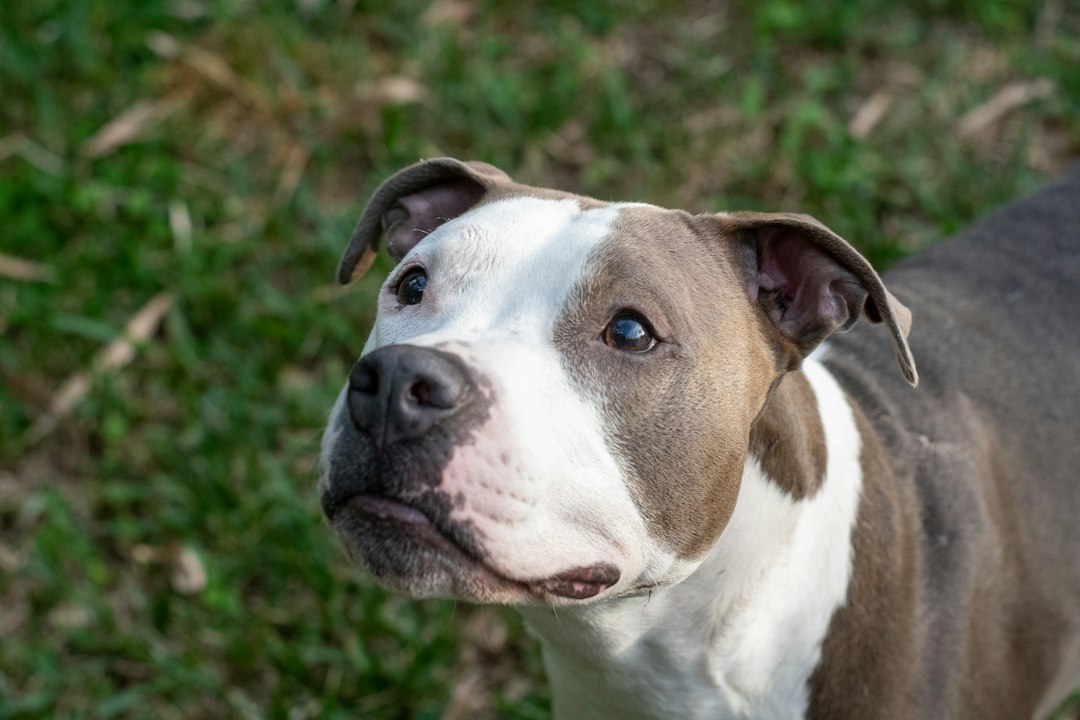
A boxer mix with pit is a cross between a Boxer and an American Pit Bull Terrier. You may also see it called a Bullboxer Pit, American Bullboxer, or Pitoxer. Expect a muscular, medium to large dog of about 50 to 80 pounds that is loyal, goofy, and very energetic. It makes a loving family dog for active, experienced owners, but it is not the best fit for first time owners or small apartments.
This guide covers size, growth, looks, temperament, training, exercise, feeding, grooming, health, lifespan, and puppy cost. Use the growth estimator to predict adult weight, and read the legal and insurance section before you commit, because rules for pit bull type dogs can affect where you live.
Key Takeaways
- Adults usually stand 16 to 22 inches and weigh 50 to 80 pounds.
- They need at least 1 to 2 hours of exercise every day.
- They are loyal, playful, and stubborn, so early training matters.
- Lifespan is about 10 to 14 years.
- Health checks should include the heart, hips, skin, and thyroid.
- Puppies cost roughly $500 to $1,500 from breeders, and less from rescues.
What Is a Boxer Mix With Pit?
It is a hybrid, not a recognized purebred. The AKC does not register it, but some designer dog registries list it. Most boxer pit mixes are first generation crosses, though many are multi generation, so a puppy may not be an even 50/50 blend. That means looks and personality can lean toward either parent.
| Quick Fact | Boxer Pit Mix |
|---|---|
| Parents | Boxer and American Pit Bull Terrier |
| Other names | Bullboxer Pit, American Bullboxer, Pitoxer |
| Height | 16 to 22 inches |
| Weight | 50 to 80 lb |
| Lifespan | 10 to 14 years |
| Coat | Short, smooth, glossy |
| Energy | High |
| Best for | Active, experienced owners with a yard |
Parent Breeds: Boxer and American Pit Bull Terrier
Knowing both parents helps you predict your dog. The Boxer came from Germany in the 1800s and is a playful, goofy Working Group dog. The American Pit Bull Terrier descends from bulldogs and terriers bred in England and later in America. Today it is a loyal, eager to please family companion with a strong bite and strong prey drive.
| Trait | Boxer | American Pit Bull Terrier |
|---|---|---|
| Height | 21 to 25 inches | 17 to 21 inches |
| Weight | 55 to 80 lb | 30 to 65 lb |
| Lifespan | 10 to 12 years | 10 to 15 years |
| Exercise | 2 hours or more | About 1 hour or more |
| Temperament | Silly, clownish, protective | Affectionate, eager, athletic |
| Training | Smart but stubborn | Eager, usually easier |
| Other pets | Depends on the dog | Often high prey drive |
Size, Weight, and Growth
Adult males are usually bigger than females. Expect males at about 17 to 22 inches and 60 to 80 pounds, and females at about 16 to 20 inches and 50 to 70 pounds. Most dogs reach full height by 12 months and fill out until about 18 to 24 months.
How big will my puppy get? Enter your puppy’s age and current weight for a rough adult weight range.
Boxer Pit Mix Adult Weight Estimator
| Age | Typical Weight | What to Expect |
|---|---|---|
| 8 weeks | 8 to 15 lb | Going home, house training starts |
| 3 months | 15 to 25 lb | Fast growth, socialization window |
| 6 months | 35 to 50 lb | Teething, testing limits |
| 9 months | 45 to 65 lb | Adolescent energy peaks |
| 12 months | 50 to 75 lb | Near full height |
| 18 to 24 months | 50 to 80 lb | Fully grown, chest fills out |

Appearance and Coat Colors
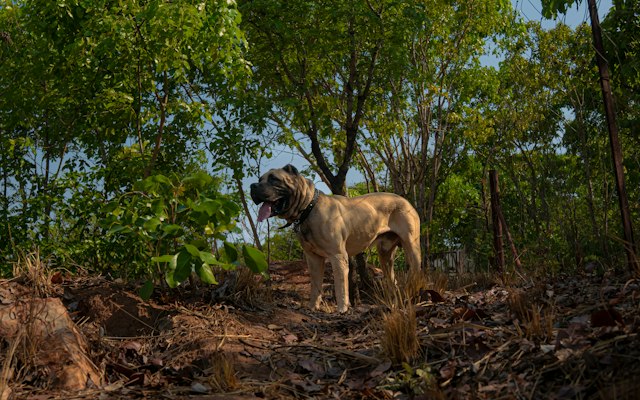
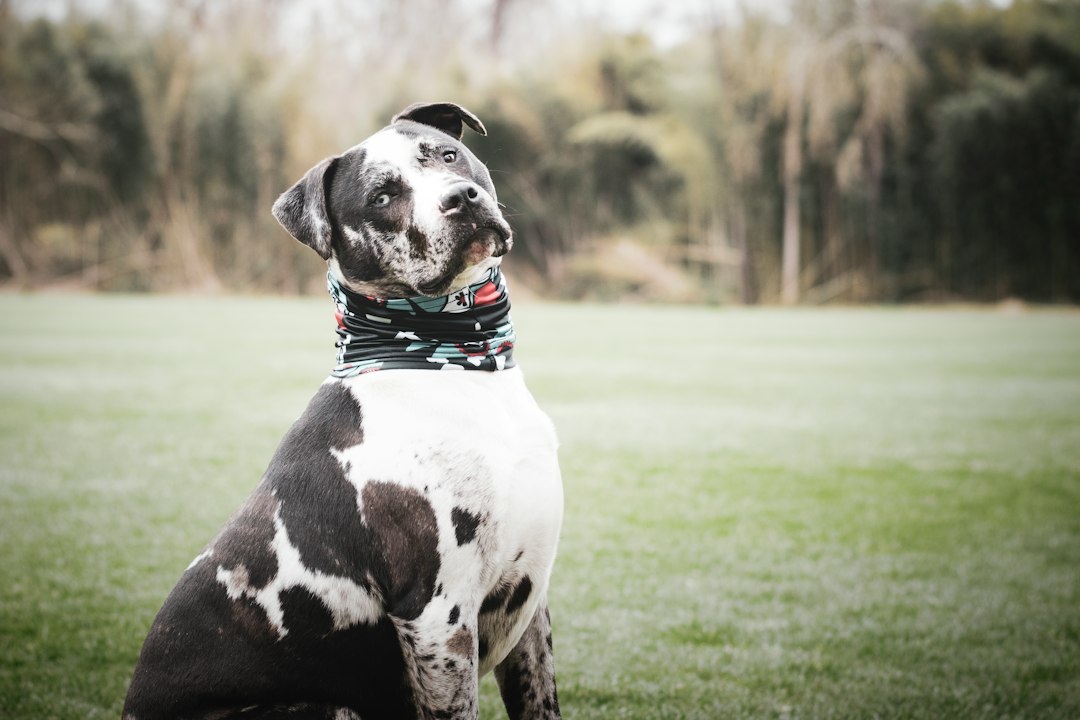
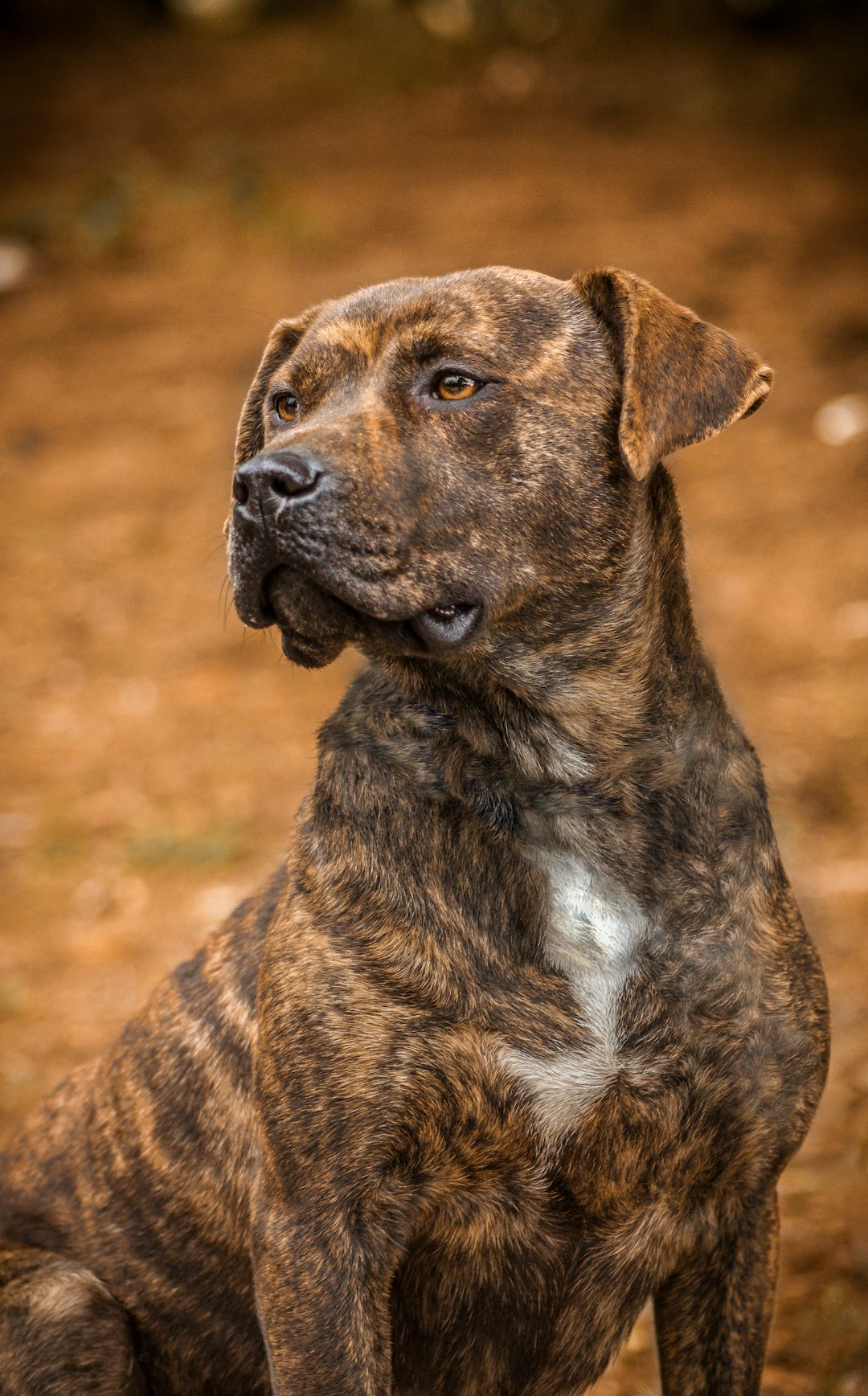
Expect a well muscled, stocky dog with a broad head, wide muzzle, and strong chest. Ears may stand up or fold, and some dogs inherit the Boxer’s facial wrinkles and slight underbite. The short, glossy coat is easy to care for and comes in almost any color except merle.
| Coat | Notes |
|---|---|
| Brindle | Tiger stripes, common from the Boxer side |
| Fawn or tan | Often with a black mask |
| Black or brown | Often with white chest or paws |
| Blue or gray | Looks rare, but is not healthier |
| White or mostly white | Higher risk of sunburn and deafness |
Temperament and Personality
This mix is loyal, affectionate, and silly. Many are clingy, follow you from room to room, and love to lean on you. They are protective of family and can be reserved with strangers, which makes them alert watchdogs. They are also smart and sometimes stubborn.
Is a boxer pit mix aggressive? Not by nature. Aggression comes mainly from poor socialization, lack of exercise, or bad handling, not from breed alone. Still, this is a strong dog, so early socialization and calm, consistent leadership are not optional.
Are they good with kids and other pets? They are usually patient and loving with children, but their size and bounce can knock over toddlers, so always supervise. With other pets, socialize from puppyhood. A high prey drive means small animals and unfamiliar dogs may need careful introductions.
| Situation | Fit | Why |
|---|---|---|
| Active family with a yard | Excellent | Plenty of play and space |
| Families with toddlers | Use caution | Size and bounce |
| First time owner | Not ideal | Needs firm, experienced training |
| Small apartment | Poor | High energy and size |
| Home with cats or small pets | Depends | Prey drive varies by dog |
| Someone out all day | Poor | Gets bored and destructive |

Training and Socialization
Start the day you bring your puppy home. This mix is eager to please but can be strong willed, so keep sessions short, fun, and reward based. Harsh methods backfire with both parent breeds.
- Socialize widely between 8 and 16 weeks with people, sounds, surfaces, and calm dogs.
- Teach the basics: sit, down, stay, come, and leave it.
- Practice loose leash walking early, since a 70 pound puller is hard to manage.
- Use treats and praise, and end each session on a win.
- Add impulse control games like wait at the door and wait for food.
- Keep training for life. Adolescence at 6 to 18 months is when manners slip.
Exercise Needs
Plan for 1 to 2 hours of activity every day. A short walk is not enough. Bored dogs chew furniture, dig, and bark.
- Brisk walks and jogging twice a day.
- Fetch and flirt pole games in a fenced yard.
- Swimming, if your dog likes water and wears a life vest.
- Agility, flyball, or weight pull for focus and fun.
- Puzzle feeders and chew toys for mental work on rainy days.
If your dog has a short Boxer style muzzle, avoid hard exercise in hot weather, because flat faced dogs overheat quickly.
Feeding and Diet
Most adults eat about 2.5 to 4 cups of high quality dry food a day, split into two meals. Always follow the label on your food, because calories differ between brands. Choose a recipe with real meat as the first ingredient and a protein level of about 22 to 26 percent.
| Life Stage | Meals per Day | Notes |
|---|---|---|
| Puppy, 8 to 12 weeks | 4 | Large breed puppy food |
| Puppy, 3 to 6 months | 3 | Control calories to slow growth |
| 6 to 12 months | 2 to 3 | Watch body condition |
| Adult | 2 | Feed measured portions |
| Senior, 8 years or more | 2 | Joint support, fewer calories |
- Use slow feeders or puzzle bowls, because this mix can gulp food.
- Rest after meals. Wait an hour before hard play to lower bloat risk.
- Limit treats to about 10 percent of daily calories.
- Ask your vet before adding supplements such as fish oil or glucosamine.
Grooming and Care
The short coat is low maintenance, but it does shed year round. A little routine goes a long way.
| Task | How Often |
|---|---|
| Brush with a rubber curry brush | Once a week |
| Bath with gentle dog shampoo | Every 6 to 8 weeks |
| Trim nails | Every 3 to 4 weeks |
| Clean ears and wipe face folds | Weekly |
| Brush teeth | Daily, or at least 3 times a week |
Common Health Problems
Mixed breeds are often healthier than purebreds, but this cross can inherit problems from both parents. Ask any breeder for health test results on both parents.
| Condition | Inherited From | What to Watch For |
|---|---|---|
| Heart disease (cardiomyopathy) | Boxer | Fainting, coughing, tiring fast |
| Hip and elbow dysplasia | Both | Limping, trouble with stairs |
| Hypothyroidism | Both | Weight gain, dull coat |
| Skin allergies | Pit Bull | Itching, redness, ear infections |
| Bloat | Deep chested dogs | Swollen belly, retching, restlessness |
| Cancer | Boxer | Lumps, weight loss, low energy |
| Heat stress | Short muzzle | Heavy panting, drooling |
When is it an emergency? A swollen, hard belly with unproductive retching can mean bloat, which needs a vet right away. Collapse, trouble breathing, or pale gums also need immediate care.
Prevention is simple: keep your dog lean, schedule yearly vet visits, keep vaccines and parasite control current, and consider heart screening for dogs with a Boxer parent.
Lifespan
Most live 10 to 14 years. A healthy weight, regular exercise, dental care, and early treatment of heart and joint problems all help your dog live longer.
Puppy Price and Yearly Cost
A puppy from a breeder usually costs $500 to $1,500. Shelters and rescues often charge $100 to $400 and include vaccines and neutering. These are estimates, and prices vary by region and breeder. Avoid sellers who skip health tests or will not let you meet the parents.
| Expense | Estimated Cost |
|---|---|
| Puppy from a breeder | $500 to $1,500 |
| Adoption fee | $100 to $400 |
| Food, per year | $500 to $900 |
| Vet care and vaccines, per year | $300 to $700 |
| Toys, treats, and supplies, per year | $200 to $400 |
| Training classes | $100 to $300 |
| Pet insurance, per year | $400 to $900 |
Laws, Housing, and Insurance
Some cities, landlords, and insurers restrict pit bull type dogs, and a mix can be treated the same way. Before you buy or adopt, check local breed rules, ask your landlord in writing, and ask your home insurer if this type of dog is covered. Also ask pet insurers about any breed exclusions.
Pros and Cons
| Pros | Cons |
|---|---|
| Loyal and affectionate | Needs 1 to 2 hours of exercise daily |
| Playful and funny | Can be stubborn and strong |
| Low grooming needs | Heart and joint risks |
| Good watchdog | Possible housing and insurance limits |
| Usually good with children | Needs careful introductions to other animals |
Frequently Asked Questions
How big does a boxer pit mix get? Usually 16 to 22 inches tall and 50 to 80 pounds.
Is this mix a good family dog? Yes, for active families who train and supervise. It is loyal and playful, but needs daily exercise.
How long do they live? About 10 to 14 years.
How much exercise do they need? One to two hours every day, with mental games as well.
Do they shed a lot? They shed a moderate amount, and weekly brushing keeps it under control.
How much does a puppy cost? Around $500 to $1,500 from a breeder and $100 to $400 from a rescue.
Can they live in an apartment? It is possible only if you commit to long daily exercise, but a home with a yard suits them better.
Helpful Resources
- AKC Boxer breed profile
- AKC American Staffordshire Terrier profile
- Orthopedic Foundation for Animals health testing
- ASPCA dog care tips
Related Guides
- Blue Nose Pitbull guide
- American Mastiff guide
- Alsatian Golden Retriever cross
- Boston Terrier vs French Bulldog
- More dog breed guides
Final Thoughts
A boxer mix with pit brings loyalty, humor, and plenty of energy into a home. If you can give daily exercise, steady training, and regular vet care, this dog will repay you with years of affection. Check local rules, meet the parents or the rescue staff, and choose a dog whose energy matches your lifestyle.