How Often Do Dogs Go Into Heat? Cycle Length Guide

By the Paws and Facts Editorial Team. Sources: Cornell Riney Canine Health Center, Merck Veterinary Manual, VCA Animal Hospitals and AAHA. This guide is educational and does not replace advice from your veterinarian.
Wondering how often do dogs go into heat? Most dogs cycle about twice a year, but the real answer depends on breed size, age and the individual dog. This guide gives interval ranges by size, the stage lengths, a next heat estimator, warning signs between heats and spay timing, using veterinary sources instead of guesses.
Key Takeaways
- Most dogs go into heat twice a year, or every 5 to 11 months on average (Cornell).
- Small breeds may cycle up to 3 times a year. Some giant breeds cycle once a year (VCA).
- First heat ranges from 6 to 24 months, usually 10 to 12 (Merck).
- Dogs do not have menopause and can cycle for life.
- Early cycles can be irregular. Call your vet if signs last past 40 days.
How Often Do Dogs Go Into Heat? The Short Answer
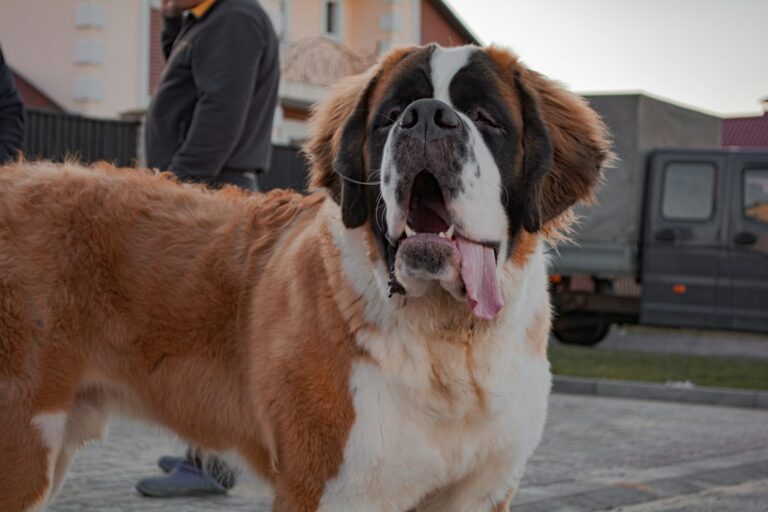
Cornell reports that most dogs have two heats a year, or one every 5 to 11 months on average. VCA agrees that twice a year is typical, but adds that smaller breeds may cycle up to three times a year and giant breeds sometimes only once. There is no single number for every dog, so expect a range and track your own dog.
| Dog type | How often | First heat | Source |
|---|---|---|---|
| Small breeds | Up to 3 times a year | Around 6 months, often earlier than larger dogs | VCA |
| Most dogs | Twice a year, every 5 to 11 months on average | 6 to 24 months, typically 10 to 12 | Cornell, Merck |
| Large and giant breeds | Some only once a year | 18 months to 2 years is possible | VCA |
| Basenji and Tibetan Mastiff | Usually once a year | Varies | Cornell |
There is no fixed calendar. Early cycles can be irregular, and VCA notes it can take up to two years for a regular pattern to show.
When Does the First Heat Start?
Merck lists the typical age of puberty as 10 to 12 months, with a range of 6 to 24 months. Smaller breeds come into heat sooner, and large and giant breeds later. If your dog is a large breed and has not cycled by her second birthday, that is the point to check with your vet.
Heat Cycle Stages and How Long Each Lasts
| Stage | Typical length | What happens |
|---|---|---|
| Proestrus | About 6 to 11 days on average | Vulvar swelling and bloody discharge. She attracts males but is not receptive yet. |
| Estrus | Usually 5 to 9 days, range 1 to 20 | She accepts mating and is fertile. |
| Diestrus | Hormones decline over roughly 10 to 30 days | No longer receptive. False pregnancy signs can appear. |
| Anestrus | About 4 months for the uterus to recover | Resting phase with no heat signs |
Sources give slightly different ranges. Cornell says bloody discharge usually lasts 14 to 21 days overall, while VCA gives an average estrus of 9 days with a range of 2 to 24. Use these as guides, not deadlines.
How to Tell Her Heat Has Ended
Merck describes the shift to diestrus as the point when she is no longer receptive to males. Look for these changes together instead of relying on one sign.
- Discharge fades, and Cornell says it usually lasts 14 to 21 days in total.
- The vulva shrinks back toward its normal size.
- She no longer accepts mounting and males lose interest.
- Her mood and energy settle back to normal.
Keep her protected for a few extra days to be safe, because signs can fade gradually and sperm can survive for days in the tract.
Next Heat Estimator
Enter the first day of her last heat and pick the closest profile. The tool adds the 5 to 11 month range from Cornell for a typical dog, 4 to 6 months for small breeds that cycle up to three times a year (VCA), or 12 months for dogs that cycle once a year. If you know her own interval from past heats, enter it to override. This is an estimate only. Early cycles are irregular and the date can shift.
Cycle Log: What to Record
A simple log shows her personal interval, which is more useful than any average. Two or three entries are enough to start predicting.
| Item to record | Why it helps |
|---|---|
| First day of discharge | Marks the start of each cycle |
| Last day of discharge | Shows her heat length |
| Date between heats | Gives her real interval in months |
| Behavior or health changes | Helps spot false pregnancy or illness |
| Any contact with male dogs | Tells your vet if pregnancy is possible |
Once you have a real interval, type it into the estimator above to replace the average.
What Changes the Interval Between Heats
- Breed size. Small breeds cycle more often and giant breeds less often.
- Age and cycle history. Early cycles are irregular and settle with time.
- Breed type. Basenjis and sled dog breeds typically cycle in spring, and Cornell lists Basenjis and Tibetan Mastiffs as once a year.
- Ovulation. Merck notes dogs ovulate on their own, so she cycles whether or not she is bred.
- Health. Merck says heat signs lasting more than 40 days can point to follicular cysts.
Signs Heat Is Coming Back
Watch for vulvar swelling, bloody discharge, more licking and more interest from male dogs. Our guide to common behaviors of a female dog in heat covers mood and behavior changes in detail. A calendar note on the first day of discharge makes every later estimate better.
Do Dogs Go Through Menopause?
No. PetMD notes that dogs keep cycling for life, and older females can still conceive, although breeding them is generally discouraged. Age also raises the risk of pyometra, which Merck says mainly affects unspayed dogs over 5 years old.
Irregular Cycles and Warning Signs
| What you notice | Possible meaning | What to do |
|---|---|---|
| Heat signs for more than 40 days | Possible follicular cysts, per Merck | Call your vet |
| No first heat by 24 months | Outside the usual range | Ask your vet |
| Weight gain, mammary swelling, nesting after heat | False pregnancy, which usually ends in 1 to 3 weeks per Merck | Do not milk her. Call your vet if she is uncomfortable. |
| Pus or bloody discharge, lethargy, thirst, vomiting 4 to 8 weeks after heat | Possible pyometra, an emergency | Go to a vet the same day |

Cornell says pyometra often develops one to two months after a heat and is a medical emergency. Merck warns signs can progress rapidly to shock. Do not wait if your unspayed dog seems ill after a heat.
Spay Timing and Your Dog Heat Cycle
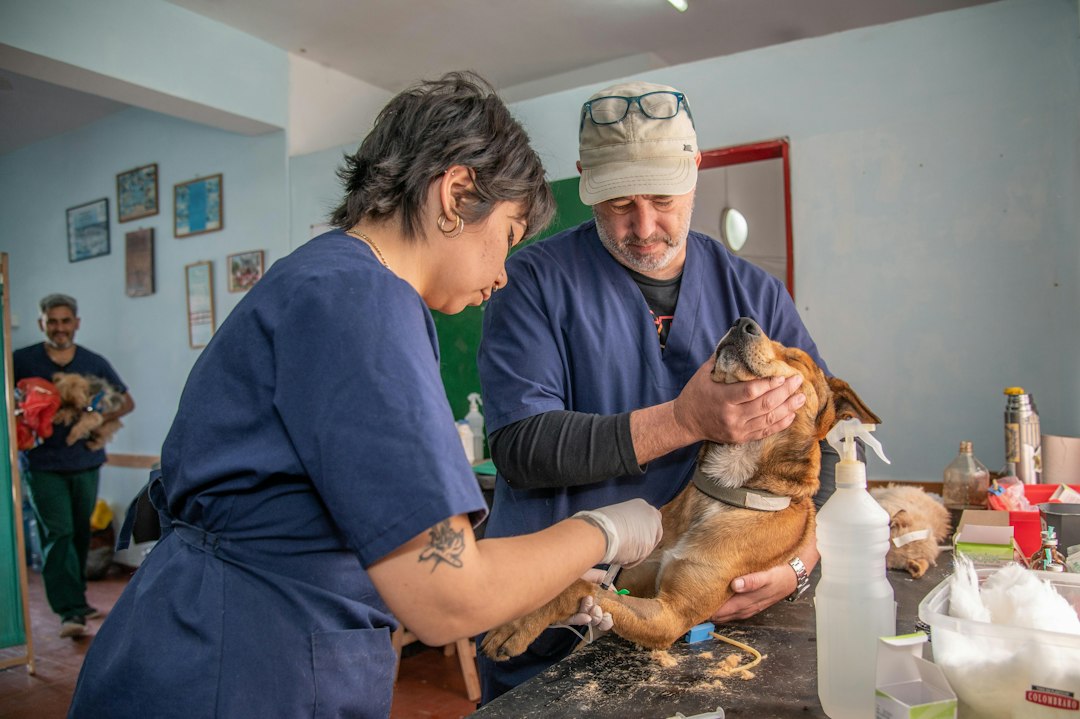
AAHA suggests spaying small breeds under 45 pounds before the first expected heat, at about 5 to 6 months. For dogs expected to weigh 45 pounds or more, it suggests waiting until growth stops, at about 5 to 15 months. Spaying before the first heat lowers mammary tumor risk, while waiting for growth to finish may lower orthopedic risks. Cornell says that if your dog has just come into heat, plan to wait about two months before surgery.
Planning Around Each Heat
- Mark the first day of discharge on a calendar and note when it ends.
- Keep her on a leash outdoors and never off leash near other dogs.
- Keep intact males apart for the whole heat, since Merck says sperm can survive 7 to 9 days.
- Do not rely on diapers to prevent pregnancy. PetMD notes they are not a reliable contraceptive.
- Plan boarding, travel and grooming around her likely dates using the estimator above.

If she may have mated by accident, call your vet quickly, as VCA advises. See how long dogs are pregnant, the dog pregnancy calculator and how to tell if your dog is pregnant for next steps. Curious about cats? See how long a cat stays in heat.
Questions to Ask Your Vet About Her Cycle
- Is her interval normal for her size and age?
- When do you recommend spaying given her breed and growth?
- Should I schedule surgery before or after the next heat?
- What warning signs after a heat should send me in right away?
Bring your log. It saves time and helps your vet give advice that fits your dog instead of a general average.
Common Myths About Dog Heat
- Every dog cycles exactly every 6 months. The range is wide.
- Dogs only go into heat in spring. Most have no set season.
- Dogs go through menopause. They do not.
- A diaper prevents pregnancy. It does not.
Frequently Asked Questions
How often do female dogs go into heat?
Most dogs go into heat about twice a year, or roughly every 5 to 11 months on average, according to Cornell. VCA notes that small breeds may cycle up to three times a year and some giant breeds only once.
At what age does a dog first go into heat?
Merck gives a typical onset of 10 to 12 months, with a range of 6 to 24 months. Small breeds tend to start earlier and large or giant breeds later.
How long does a dog stay in heat?
Cornell says bloody discharge usually lasts 14 to 21 days, while the receptive estrus stage is usually 5 to 9 days, with a wider range of 1 to 20 days.
Do dogs have a heat season?
Most domestic dogs have no set breeding season. VCA notes that Basenjis and sled dog breeds typically cycle in spring.
Do dogs go through menopause?
No. Dogs keep cycling throughout life. Older unspayed females can still become pregnant, and their risk of uterine infection rises with age.
Can a dog get pregnant at any point in heat?
Dogs ovulate on their own, and Merck notes sperm can survive 7 to 9 days in the tract. Keep an unspayed female away from males for the whole heat.
When should I spay my dog around her heat?
AAHA suggests spaying small breeds before the first heat, at about 5 to 6 months, and large breeds after growth stops, at about 5 to 15 months. Cornell advises waiting about two months after a heat. Ask your vet to tailor timing.
Is it normal for heat cycles to be irregular?
Early cycles can be irregular, and VCA says a regular pattern can take up to two years to appear. Heat signs lasting past 40 days, or no first heat by 24 months, are good reasons to call your vet.
Helpful Resources
- Cornell Riney Canine Health Center: dog estrous cycles
- Cornell: pyometra
- Merck Veterinary Manual: reproductive management of the female small animal
- Merck Veterinary Manual: reproductive disorders of female dogs
- AAHA: proposed ages for sterilization
- VCA: estrous cycles in dogs
Related Guides
- Common behaviors of a female dog in heat
- How long are dogs pregnant
- Dog pregnancy calculator
- More pet pregnancy and breeding guides
Final Thoughts
So, how often do dogs go into heat? Plan for about twice a year, expect small breeds to cycle more and giant breeds less, and track your own dog to learn her pattern. Keep her safe from unplanned mating, watch for illness in the weeks after each heat, and talk to your vet about spay timing.