Canine Limp Tail: Limber Tail Causes and Care
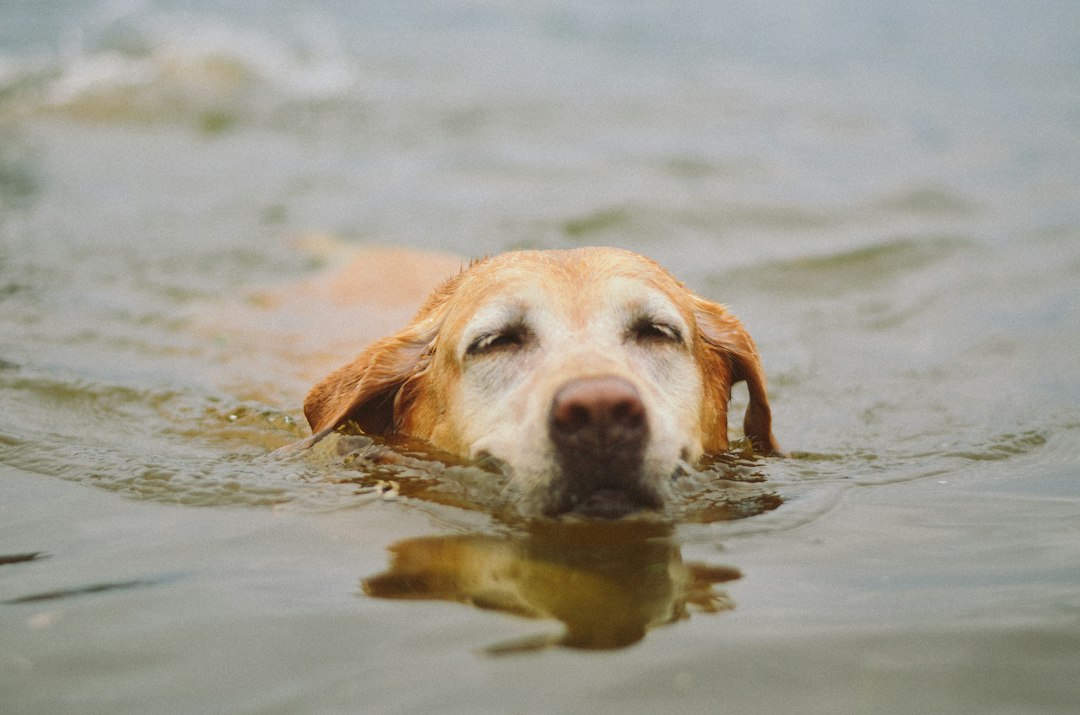
Your dog comes out of the lake with a tail that hangs straight down and will not wag. A canine limp tail is alarming to see, and it has a few names: limber tail, swimmer’s tail, cold water tail or broken wag. Its medical name is acute caudal myopathy. The good news is that it usually clears up within days. The catch is that other tail and back problems look just like it.
We compared AAHA, Great Pet Care (written by a veterinary surgeon and reviewed by a DVM), FirstVet and The Farmer’s Dog. Written by the Paws and Facts Editorial Team. We are not vets, so this page is general information and not a diagnosis.
Key Takeaways
- Limber tail is a strain or sprain of the tail muscles, often after swimming, hard exercise, cold weather or long crate time.
- Retrievers, pointers, setters and hounds are named most often, but any dog can get it.
- Most dogs recover in days. Sources range from a few hours to about two weeks.
- Other causes look the same, including tail fracture, disc disease and anal gland problems, so a vet exam matters.
- Weak back legs or trouble urinating or pooping mean a vet visit, according to FirstVet.
- Pain relief comes from a vet. Great Pet Care says home and natural remedies are not enough.
Canine Limp Tail: What Is Limber Tail Syndrome?
Limber tail is a sprain or strain of the muscles that move the tail, says AAHA. The Farmer’s Dog agrees. FirstVet describes a theory of reduced blood flow to those muscles. Great Pet Care says the exact cause is unknown, but overworked tail muscles are the leading idea.
| Name | Used by |
|---|---|
| Limber tail, limp tail | AAHA, Great Pet Care, FirstVet, The Farmer’s Dog |
| Swimmer’s tail, cold water tail | AAHA, FirstVet, The Farmer’s Dog |
| Broken wag, broken tail | AAHA, FirstVet |
| Rudder tail, sprained tail | AAHA, The Farmer’s Dog |
| Acute caudal myopathy | All four sources |
What Causes It?
The sources list similar triggers:
- Swimming, especially long swims or cold water
- Hard or unusual exercise without proper conditioning
- Cold or wet weather
- Long time in a crate, such as during travel, competition or recovery from surgery
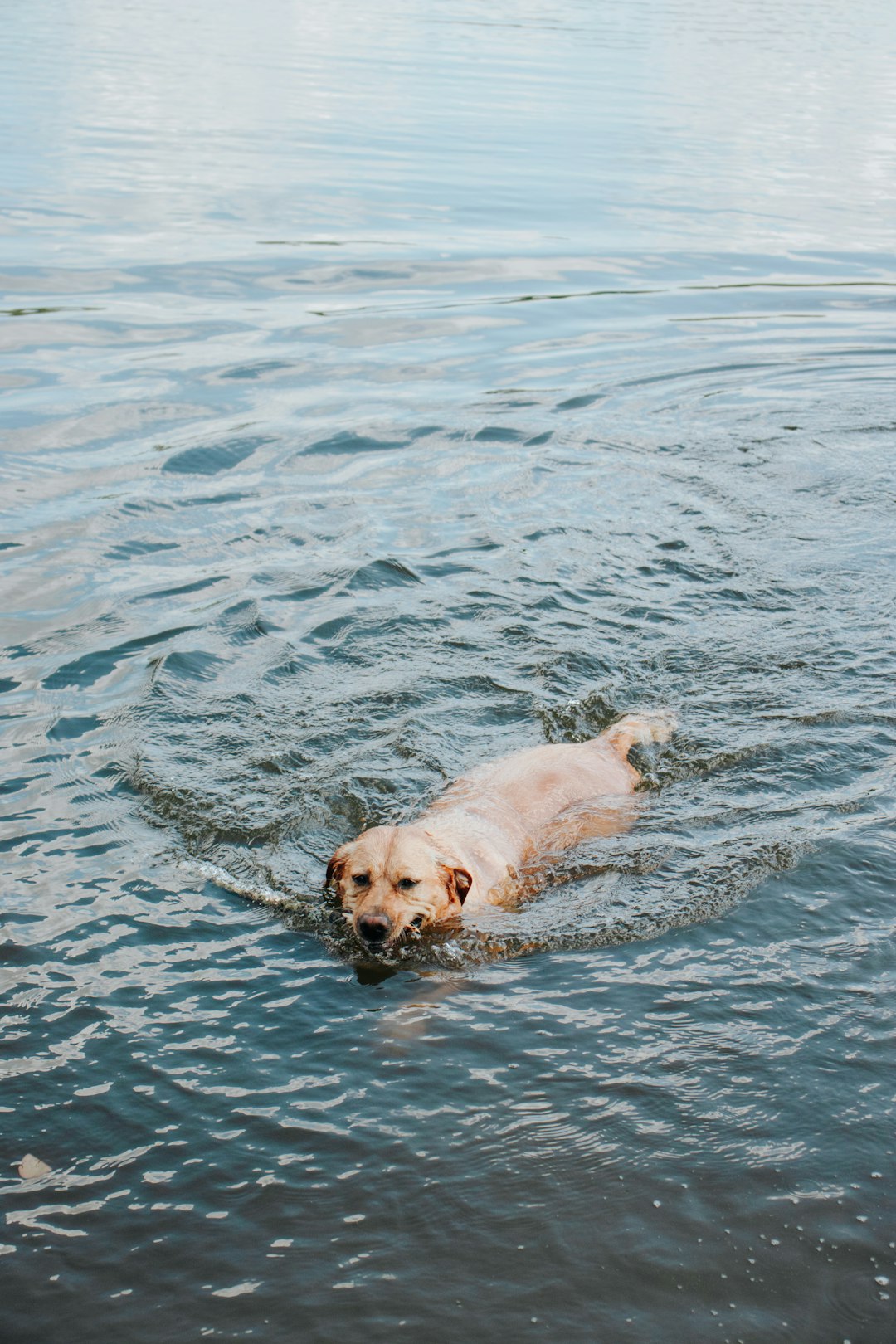
AAHA adds that hunting dogs often get it early in the season, especially if they are poorly conditioned. Great Pet Care says it may have a genetic side, and that dogs that had it once can have repeat episodes. If you own a retriever mix, our guide to the Alsatian Golden Retriever cross covers that breed mix. Breed risk is a pattern, not a rule for your dog.
Signs of Limber Tail
The main sign is a limp tail. AAHA says it can be fully limp, or partly limp, with a stiff, level base and a drooping tip. Other signs across the sources:
- Not able to wag the tail
- Pain when the tail or its base is touched
- Whining or yelping
- Licking or chewing at the tail
- Trouble or reluctance to sit or squat to pee or poop
- Tiredness, restlessness or reduced appetite
- Raised hair at the tail base or a stiff gait (Great Pet Care)
Other Causes of a Limp Tail
A limp tail is not always limber tail, which is why vets rule other problems out.
| Condition | Why it is on the list | Source |
|---|---|---|
| Tail fracture or injury | Can cause swelling or bruising. X rays can check | AAHA, Great Pet Care |
| Disc disease or cauda equina syndrome | Spine problems that affect the tail and back legs | AAHA |
| Anal gland problems | Pain near the tail base can mimic limber tail | AAHA, Great Pet Care |
| Arthritis | Joint pain affecting the tail and hips | AAHA |
| Prostate disease | Pain in the rear can show up as a limp tail | AAHA |
| Skin infection near the tail | Inflammation can cause licking and a sore tail | AAHA |
| Hypothyroidism | Reported in one case, but Great Pet Care says it was probably a coincidence | Great Pet Care |
How Long Does It Last? Sources Differ
| Source | Recovery time given |
|---|---|
| AAHA | A few days to about a week, with rest and anti inflammatory medicine |
| Great Pet Care | Most dogs recover in about 3 to 4 days. The range is a few hours to about 10 days |
| FirstVet | A few days to a few weeks |
| The Farmer’s Dog | A few days to about two weeks, depending on severity |
The ranges overlap but do not match, so use them as a guide only. A dog that is not improving needs a vet.
When to See a Vet
These points come from FirstVet. AAHA and The Farmer’s Dog go further and say any dog with a limp, painful or non wagging tail should have an exam to confirm the cause.
Treatment and Care
Diagnosis usually starts with a physical exam and the history of your dog’s recent activity. AAHA says X rays of the spine, pelvis, back legs and tail may be needed to rule out other problems. FirstVet says an MRI may be recommended if something more serious is suspected.
- Rest is the core of recovery. Short leash walks only until your dog is better (FirstVet).
- Vet prescribed medicine, usually anti inflammatories for pain. AAHA says a vet may also prescribe muscle relaxants.
- Warm and dry. Great Pet Care suggests keeping your dog warm and dry, and avoiding close confinement.
Safe Care at Home
No swimming, hard play or long walks. Keep walks short and on a leash.
Dry your dog fully after any water, and provide a warm, dry place to rest (FirstVet, Great Pet Care).
AAHA says a crate should be large enough to stand, lie down and turn around in.
Squatting can hurt. Watch that your dog can still pee and poop, and call your vet if not.
Take a short video of the tail and when it started, to show your vet.

SAFE TO DO
- Rest and short leash walks
- Dry and warm your dog after water
- Warm compress if your vet agrees
- Build fitness gradually
- Take rest breaks during hard exercise
AVOID
- Human painkillers
- Pulling, bending or pressing on the tail
- Swimming in cold water while recovering
- Small crates for long periods
- Waiting if your dog cannot pee or poop
How to Prevent Limber Tail
Great Pet Care says prevention is limited because the cause is unclear. Sources suggest these steps:
- Build fitness gradually, and warm up before swimming or hunting (AAHA)
- Limit time in very cold water, and dry your dog thoroughly after swimming (FirstVet)
- Take rest breaks during long exercise or trips
- Avoid very cold, wet weather for vigorous exercise
- Use a roomy crate
Limp Tail Checker
This quick tool turns the points above into a suggested next step. It cannot examine your dog, so treat the answer as a prompt, not a diagnosis.
Tick anything that applies
Formula: any of the four boxes means see a vet soon. Otherwise the duration decides: under 2 days means rest, warmth and an exam booking, 2 days to 2 weeks means book an exam, over 2 weeks means see a vet. Limits: this follows FirstVet, AAHA and Great Pet Care, and their time ranges differ. Estimate only, not veterinary advice.
Sources
- AAHA: names, causes, signs, look alikes, prevention (no named author or reviewer)
- Great Pet Care: causes, recovery range, look alikes (written by a veterinary surgeon, reviewed by a DVM)
- FirstVet: when to see a vet, recovery, prevention (no named reviewer, last updated 2021)
- The Farmer’s Dog: signs, causes, treatment (the publisher sells fresh dog food, and no medical reviewer is named)
Frequently Asked Questions
What is limber tail in dogs?
It is a painful strain of the tail muscles, also called swimmer’s tail or acute caudal myopathy. The tail hangs limp or droops and the dog cannot wag it.
What causes a dog’s tail to go limp?
Sources point to swimming, cold water or weather, hard unusual exercise and long crate time. The exact cause is not fully known.
How long does limber tail last?
Sources give a few hours up to about two weeks. Great Pet Care says most dogs recover in about 3 to 4 days.
Does limber tail go away on its own?
Great Pet Care says it generally resolves on its own, but it is painful, so vets commonly prescribe pain relief. A vet should confirm the cause.
Can a limp tail be something serious?
Yes. A fracture, a spine problem such as disc disease or anal gland trouble can look the same, which is why AAHA says to get an exam.
Which dogs get limber tail?
Retrievers, pointers, setters and hounds are named most often by AAHA and Great Pet Care, but any dog can get it.
Can I give my dog human painkillers for a limp tail?
No. Ask your vet. Great Pet Care says home and natural remedies are not enough for the pain.
Can limber tail come back?
Yes. AAHA says it can recur, and Great Pet Care says dogs that had it once may have repeat episodes.
Final Thoughts
A canine limp tail is most often limber tail syndrome, a painful but usually short lived muscle strain linked to swimming, cold and hard exercise. Rest your dog, keep it warm and dry, and book a vet exam to rule out a fracture or a spine or gland problem. Go sooner if your dog has weak back legs, cannot pee or poop, or is in severe pain.