
Dog Limping: Causes, Home Care and When to Call a Vet

A sudden limp is one of the most common reasons owners call a vet, and it is also one of the most confusing. Dog limping can come from a torn nail, a sore paw, a sprain, arthritis or something far more serious, and the leg does not tell you which. This guide explains the common causes, the real emergency signs, what is safe to check at home and why you should never reach for human painkillers.
We compared Merck Veterinary Manual (dog owner section), PetMD, Webvet, Vetster and Southwest Florida Veterinary Specialists. Written by the Paws and Facts Editorial Team. We are not vets, so this page is general information and not a diagnosis.
Key Takeaways
- A limp is a sign, not a disease. The Merck Veterinary Manual describes lameness as a sign of illness, not one specific condition.
- Sudden limps are often injuries such as torn nails, sprains, fractures or something stuck in the paw. Long running limps are often arthritis.
- Emergency signs include bleeding, a dangling limb, severe swelling, yelping, collapse or no weight bearing at all.
- Sources disagree on timing. Some say call the vet after 24 hours, others say watch for 24 to 48 hours or a few days. When unsure, call.
- Never give human painkillers. Ibuprofen, naproxen and acetaminophen are toxic to dogs. Only give what your vet prescribes.
- A video of the limp helps your vet, so record your dog walking before the visit.
What a Limp Actually Tells You
Lameness means your dog is not using a leg normally. The cause can be pain, a mechanical problem such as a joint that will not move properly, or a nerve problem. Because the sign is so general, vets work backward from the history and the exam. They ask when it started, whether it comes and goes, and whether it is worse after rest or after exercise.
The Merck Veterinary Manual (dog owner section) adds a useful clue. When the problem is in a front leg, a dog often lifts its head as that leg touches the ground. When the problem is in a back leg, the dog often drops its head. You can watch for this on a short walk, but it does not replace an exam.
- Acute: sudden onset, usually linked to an injury. PetMD lists fractures, torn nails, sprains and foreign material in the paw.
- Chronic: two weeks or more. PetMD says this is often arthritis.
- Intermittent: it comes and goes. Tell your vet exactly when it shows up.
Dog Limping: Common Causes
The lists below come from PetMD, Webvet and Southwest Florida Veterinary Specialists. Not every source names the same causes, so we show who mentions what.
| Cause | What it is | Typical clue | Mentioned by |
|---|---|---|---|
| Paw pad injury | Cut, burn or something stuck between the toes | Licking the paw, sudden limp | PetMD, Webvet |
| Torn or overgrown nail | Nail broken or caught | Pain when the paw is touched | PetMD, Webvet |
| Strain or sprain | Soft tissue injury after play or a slip | Sudden limp after activity | PetMD, Webvet |
| Cranial cruciate ligament tear | Knee ligament injury | Holding the back leg up, often after running | Webvet, SWFVS |
| Luxating patella | Kneecap slips out of place | Skipping on a back leg, common in small breeds | Webvet, SWFVS |
| Arthritis | Joint wear and inflammation | Stiff after rest, slower on stairs | PetMD, Webvet |
| Hip or elbow dysplasia | Joint that did not form properly | Starts young, worsens with age | PetMD, Webvet |
| Fracture or dislocation | Broken bone or joint out of place | Severe pain, may not use the leg | PetMD, Webvet |
| Panosteitis | Growing pain in young dogs, listed at about 5 to 18 months | Limp that shifts between legs | Webvet |
| Tick borne disease | Infection spread by ticks | Limp with fever or tiredness | PetMD, Webvet |
| Nerve or spinal problem | Pinched or damaged nerve | Weakness, dragging a paw | PetMD, Webvet |
SWFVS says a cruciate tear is the most common leg injury it sees and names German shepherds, golden retrievers, Labradors, Newfoundlands and rottweilers as higher risk. If you own a shepherd and retriever cross, our guide to the Alsatian Golden Retriever cross covers the breed mix. Breed risk is a pattern, not a rule for any single dog.
Emergency Signs: Go to a Vet Now
PetMD, Webvet, Vetster and SWFVS agree on a core set of warning signs. Treat any of these as an emergency.
How Long Should You Wait? Sources Disagree
Owners often ask how long a mild limp can be watched. The honest answer is that vets and vet sites do not give one number.
| Source | Suggested wait before a vet visit |
|---|---|
| Webvet | See a vet if it lasts more than 24 hours |
| Vetster | Seek care if it lasts more than a day, even a minor limp |
| Southwest Florida Vet Specialists | Monitor a mild limp for 24 to 48 hours, then book a visit |
| PetMD | Rest for a few days, then call the vet if there is no improvement |
The safest reading is this: a mild limp in an otherwise bright, eating, playful dog can be watched for a short time, but call sooner if it is getting worse, or if you are unsure. Puppies, seniors and dogs with other illness should not wait.
Safe Checks You Can Do at Home
Keep your dog on a short leash and stop running, jumping and stairs. PetMD suggests rest and a short leash for a mild new limp.
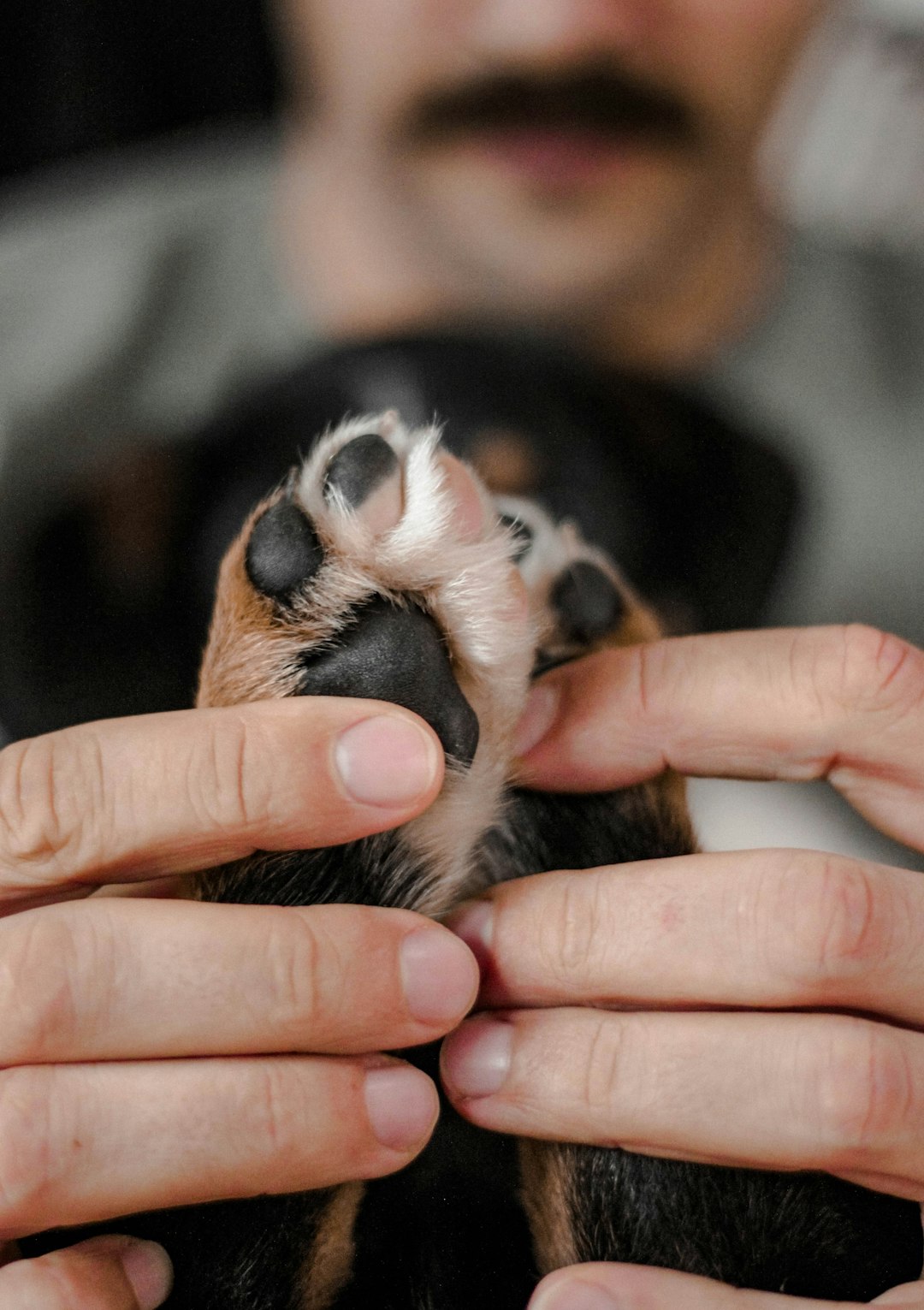
Gently check pads, between the toes and the nails for cuts, thorns, stings or debris. Stop if your dog pulls away or snaps.
Compare both legs for heat, swelling or a sore spot. Do not bend or twist a painful joint.
Note which leg, whether the head bobs, and whether the limp changes after rest. Take a short video.
Write down when it started and whether it comes and goes. PetMD says to tell your vet this.

SAFE TO DO
- Rest your dog in a quiet, non slip area
- Check the paw gently for debris
- Take a short video of the walk
- Ask your vet how and when to use heat or ice
- Keep your dog at a healthy weight
AVOID
- Giving any human painkiller or muscle relaxer
- Forcing a long walk to loosen it up
- Putting on a splint or bandage yourself (Vetster advises against this)
- Pulling out something deeply stuck in the paw
- Waiting if the signs are getting worse
What Your Vet Will Do
The Merck Veterinary Manual (dog owner section) describes a standard path. The vet takes a history, watches your dog rest, rise and walk, and then feels the limbs and joints. If needed, imaging such as X rays or ultrasound may follow, and less often CT or MRI.
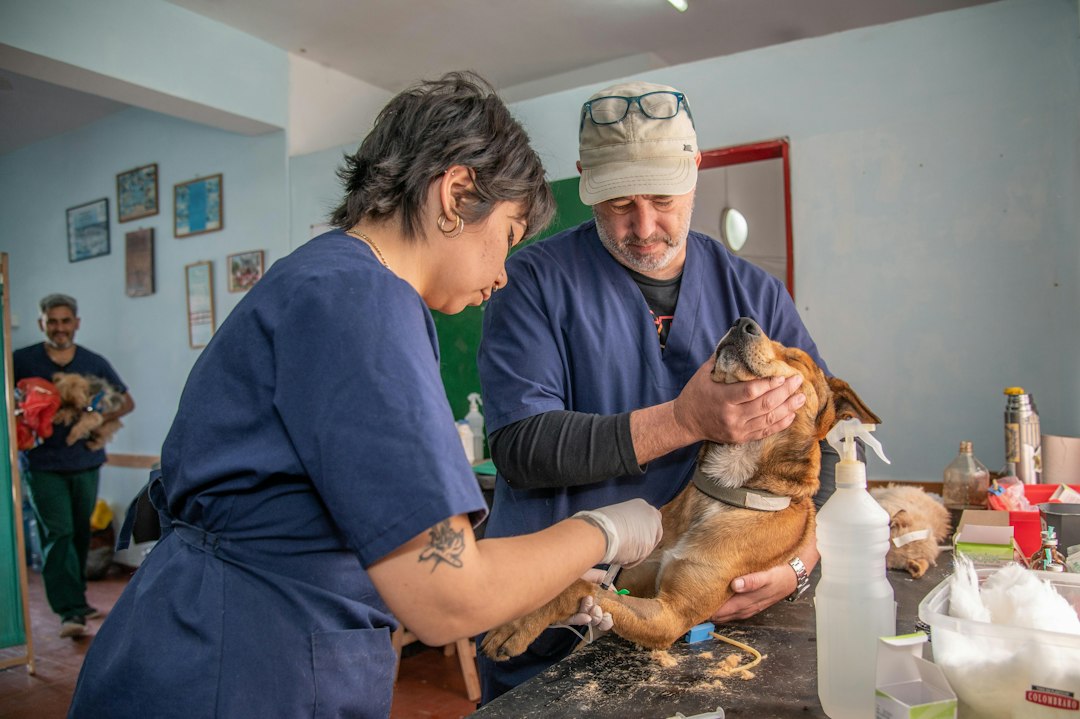
Treatment depends on the cause. PetMD lists prescribed anti inflammatory medicine, joint supplements, bandages, physical therapy, weight management and surgery. Webvet notes that crate rest after an injury can last 1 to 2 weeks, and recovery to full activity after surgery can take 8 to 12 weeks, but your own vet’s plan comes first.
Limp Triage Checker
This quick tool turns the warning signs above into a suggested next step. It cannot see your dog, so treat the answer as a prompt to act, not a diagnosis.
Tick anything that applies
Other questions
Formula: any of the first six boxes means emergency vet now. Otherwise, other signs or a worsening limp mean book a vet visit today. Otherwise the duration decides: under 24 hours rest and watch, 24 hours or more book a visit, 2 weeks or more book a visit for a chronic limp. Limits: this follows the warning signs in PetMD, Webvet, Vetster and SWFVS, which do not agree on exact timing. Estimate only, not veterinary advice.
Sources
- Merck Veterinary Manual (dog owner section): lameness as a sign, head movement clue, exam and imaging steps
- PetMD: acute and chronic limps, emergency signs, never give human painkillers
- Webvet: causes list, toxic human drugs, recovery times (veterinarian reviewed, but the site carries sponsored and affiliate content)
- Vetster: seek care if a limp lasts over a day, do not splint at home
- Southwest Florida Veterinary Specialists: cruciate tears, breed risk, 24 to 48 hour monitoring
Frequently Asked Questions
Should I walk a limping dog?
Keep activity to short, slow leash trips only. Stop running, jumping and stairs until a vet says otherwise.
When is a dog limp an emergency?
A dangling or deformed limb, bleeding that will not stop, a hot swollen leg, no weight bearing, collapse, pale gums or trouble breathing need an emergency vet now.
How long can I wait before calling the vet?
Sources differ. Webvet and Vetster say more than 24 hours, SWFVS says 24 to 48 hours and PetMD says a few days. Call sooner if it is worsening or you are unsure.
Can I give my dog ibuprofen or aspirin?
No. PetMD says never give human pain relievers. Webvet says ibuprofen, naproxen and acetaminophen are toxic to dogs. Only give medicine your vet prescribes.
Why does my dog limp then seem fine?
A limp that comes and goes is called intermittent. Tell your vet when it appears and take a video, because the dog may walk normally in the clinic.
What causes a sudden limp in a dog?
PetMD lists injuries such as fractures, torn nails, sprains and foreign material in the paw as the usual causes of a sudden limp.
Is a long running limp usually arthritis?
PetMD says a chronic limp of two weeks or more is often arthritis, but other causes exist, so an exam is needed.
Can puppies limp from growing pains?
Webvet lists panosteitis in young dogs, at about 5 to 18 months. Puppies should still be seen by a vet, because other causes also exist.
Final Thoughts
Dog limping is a message, not a diagnosis. Check the paw, rest your dog and write down what you see, but go straight to a vet for any emergency sign and book a visit when a limp lasts more than a day or two, gets worse or comes with other signs. Never use human painkillers. When in doubt, call your vet.