
Lupus in Dogs: Signs, Types and Treatment

Short answer
Canine lupus is a rare autoimmune disease with no cure, but a vet can control it. The skin only form is usually milder. The whole body form needs lifelong care.
Lupus in dogs happens when the immune system attacks the dog’s own healthy tissue. It is rare, and the signs look like many other illnesses, so it is often found late. This guide explains the two types, the warning signs, how vets test for it, and what daily care looks like.
By the Paws and Facts Editorial Team. Based on the sources listed at the end. Not a substitute for a vet visit.
Key Takeaways
- Two main types: systemic (whole body) and discoid (mostly skin).
- Common signs: crusty skin sores, nose colour loss, joint pain, fever and low energy.
- No single test: vets combine history, blood work, urine tests and often a skin biopsy.
- No cure: treatment calms the immune system and is usually lifelong.
- Sun makes skin lupus worse, so shade and limited midday sun matter.
- Never give human pain pills. Only give medicine your vet prescribes.
What Is Lupus in Dogs?
Lupus is an autoimmune disease. A healthy immune system fights germs. In lupus, it makes antibodies that attack the dog’s own tissue, and the damage causes swelling and pain. The exact trigger is unknown. Genes, sunlight, some medicines, viral infections and hormones are all suspected, but none is proven as the single cause.
There are two main forms. They behave very differently, so it is important to know which one your dog has.
| Feature | Systemic lupus (SLE) | Discoid lupus (DLE) |
|---|---|---|
| Where it acts | Many organs: skin, joints, kidneys, blood, nerves | Mostly the skin, often nose, face and ears |
| How serious | More serious and unpredictable | Usually milder |
| Typical signs | Fever, joint pain, tiredness, poor appetite, skin sores | Loss of nose colour, scabs, scaly or ulcer like skin |
| Sun effect | Can worsen skin damage | Strongly linked to flare ups |
| Long term outlook | Guarded, depends on organs involved | Often a normal lifespan with sun care |

Signs of Canine Lupus to Watch For
Signs can start slowly or suddenly, and they may come and go. This is one reason owners miss them. Skin signs are the easiest to see. Body signs are easier to confuse with other problems.
Skin signs
- Crusty, scabby or open sores, often on the face, ears and paws
- Loss of colour on the nose, which can turn pink or grey
- Redness and scaling
- Sores that get worse in strong sunlight
- Itching or scabs if a skin infection joins in
Whole body signs
- Fever that does not settle with antibiotics
- Painful, stiff or shifting joint lameness
- Tiredness and poor appetite
- Mouth ulcers and swollen lymph nodes
- More drinking and urinating, which can point to kidney trouble
- Pale gums and weakness, which can point to anemia
- Tremors or seizures in severe cases
Remember
Many of these signs also belong to common problems. One sign alone does not mean lupus. A cluster of signs that keeps returning is what should send you to the vet.
Causes and Breeds at Higher Risk
No one knows why some dogs develop lupus. Vets think it is a mix of inherited risk and outside triggers. Any dog can be affected, but sources name different breeds, so treat these lists as hints and not as rules.
| Source | Breeds mentioned |
|---|---|
| PetMD | German Shepherds, Beagles, Afghan Hounds, Collies, Poodles, Irish Setters |
| VCA Hospitals | Medium to large breeds, including Afghan Hounds, Beagles, Collies, German Shepherds, Irish Setters, Nova Scotia Duck Tolling Retrievers, Old English Sheepdogs, Poodles, Shetland Sheepdogs |
| Dutch | Alaskan Malamutes, Siberian Huskies, Chow Chows |
| Vetster | No breed list on the page we checked |
The lists overlap in some breeds and differ in others. This tells us the research is still thin. VCA says onset is usually around age five, while PetMD says young to middle aged dogs. Dutch adds that it may show up more in unspayed females, while VCA says males may be affected more. These are conflicting hints, so no dog should be ruled in or out by breed or sex alone.

How Vets Diagnose Lupus
There is no single test that proves lupus. Vets rule out other diseases first, then look for a pattern. VCA explains that vets use a checklist borrowed from human medicine. In dogs, meeting three of the eleven criteria may suggest the disease, while humans need four.
| Test | What it checks |
|---|---|
| Physical exam and history | Skin, joints, lymph nodes, fever, how signs come and go |
| Blood count and chemistry | Anemia, low platelets, liver and kidney function |
| ANA blood test | Antibodies that react with the dog’s own cells |
| Urine test | Kidney damage and protein loss |
| Skin biopsy | Confirms the type of skin disease |
| Joint fluid test, X rays or ultrasound | Joint inflammation and organ changes |
The ANA test can be positive in other diseases too, so vets never use it alone. A skin biopsy is often the key test for discoid lupus.
Treatment Options Your Vet May Use
Treatment has one goal: calm the overactive immune system and control symptoms. Your vet picks the plan based on the type, the organs involved and your dog’s other health issues.
- Steroid type medicines are the most common first step to quiet the immune system.
- Stronger immune suppressing medicines are added in severe or stubborn cases.
- Skin treatments and sun protection are important for discoid lupus.
- Supportive care such as pain relief, anti nausea care or a kidney friendly diet if organs are affected.
- Hospital care may be needed if the immune system is destroying red blood cells.
Safety rule
Never give human pain pills such as ibuprofen or aspirin to a dog. Dutch also warns that some pain medicines should not be combined with steroids because of the risk of stomach ulcers. Only give what your vet prescribes, at the dose they set.
Long term immune suppression has its own risks, including a higher chance of infections. That is why dogs on treatment need regular check ups and follow up tests. Dogs with lupus should also not be bred, because the disease may be inherited.
Lupus Warning Sign Checker
This simple tool counts how many of the listed signs you have noticed. It cannot diagnose lupus. It only helps you decide how quickly to call your vet.
Tick every sign you have seen in the last few weeks
How it works: it counts ticked signs from 1 to 8. A seizure, collapse or breathing trouble always means an emergency vet. 0 signs: no listed signs. 1 or 2 signs: book a routine vet visit. 3 or more: book a vet visit soon. Limits: it ignores your dog’s age, breed and history. Estimate only, not veterinary advice.
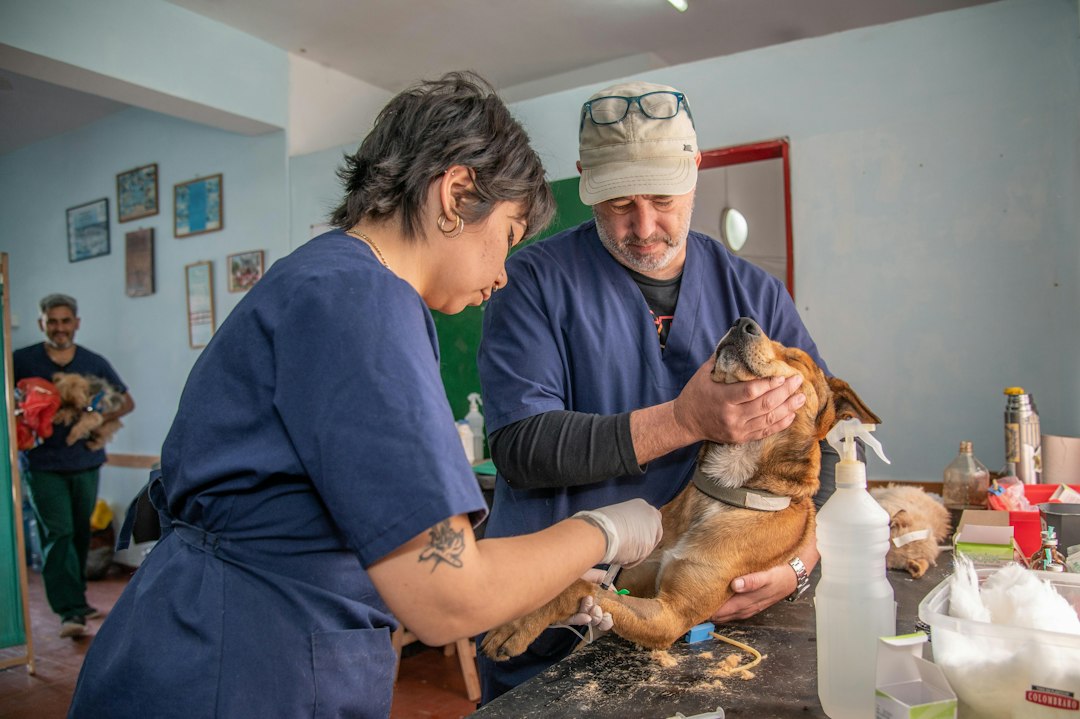
Photo note
Photos on this page are stock images. They are not dogs with lupus.
Daily Home Care and Sun Protection
Home care supports the treatment, but it never replaces it. Most dogs with lupus are treated at home, so your daily routine matters.
SAFE TO DO
- Keep a medicine log and give every dose as prescribed
- Walk early or late and keep your dog in shade at midday
- Ask your vet about sun protection made for dogs
- Keep all recheck and blood test visits
- Photograph skin sores weekly to show changes
- Feed a balanced diet and follow any prescription diet
AVOID
- Skipping or stopping medicine because the dog looks better
- Giving human pain pills or leftover medicine
- Long hours in strong sun, especially on pale noses
- Breeding a dog that has lupus
- Scratching or picking at scabs

Life Expectancy and Outlook
The outlook depends on the type. Sources do not agree on how bad it is, so use this as a conversation starter with your vet and not as a promise.
| Source | Outlook described |
|---|---|
| Dutch | Discoid form: normal lifespan is possible with sun care. Systemic form: varies, can be shorter if vital organs are damaged |
| VCA Hospitals | Systemic form is serious and progressive, with a guarded outlook even with treatment |
| PetMD | Depends on severity and how many organs are involved |
| Vetster | Says many dogs with the systemic form die within a year of diagnosis. This is the strongest claim and is not backed by a study on the page |
The safest way to read this: discoid lupus is usually easier to live with, while systemic lupus is unpredictable. Early diagnosis and steady monitoring are linked to better outcomes.
When to Call the Vet
Go to a vet now if
Your dog has a seizure, collapses, has pale gums with severe weakness, has trouble breathing, or will not eat or drink. Also call soon for fever, painful joints, or sores that are spreading.
Sources
- PetMD: author named, no separate medical reviewer listed.
- VCA Animal Hospitals: hospital network, no named reviewer on the page we read.
- Dutch: commercial telehealth brand with a product angle. Reviewed by a named vet.
- Vetster: commercial telehealth marketplace. Verified by a named vet. The one year survival claim is unsourced.
- Two other pages (VIN Veterinary Partner and a PubMed Central review) blocked our access, so we did not use them.
Frequently Asked Questions
What causes this disease in dogs?
Nobody knows the exact cause. Vets think genes, sunlight, some medicines, viral infections and hormones may all play a part.
Can a dog with this condition live a normal life?
Dogs with the skin only form often do, with sun care and treatment. The whole body form is harder to predict and needs lifelong monitoring.
Is canine lupus contagious?
No. It is an immune system problem, not an infection, so it does not spread to people or other pets.
Is there a cure?
No cure is known. Treatment controls the immune system and the symptoms, and it is usually lifelong.
How do vets confirm it?
There is no single test. Vets combine a physical exam, blood and urine tests, an ANA test, and often a skin biopsy.
Which dogs are most at risk?
Several breeds are named, including German Shepherds, Collies, Beagles and Poodles. Sources disagree, and any breed can be affected.
Can sunlight make it worse?
Yes. Sun can worsen skin damage, so shade and limited midday sun are part of care.
Can I treat it at home with supplements?
No. Supplements may support general health, but they cannot control this disease. Always follow your vet’s plan.
Final Thoughts
Lupus in dogs is rare and serious, but many dogs live comfortably with early diagnosis, steady medicine and sun care. Watch for skin sores, nose changes and joint pain that keep coming back. If you see a pattern, book a vet visit instead of waiting. Your vet is the only one who can confirm the type and set the right plan for your dog.