Water on the Brain in Dogs: Signs and Treatment
Short answer
The medical name is hydrocephalus. It is extra fluid inside the brain. It cannot be cured, but vets can often manage it, and a specialist surgery can help severe cases. Mild cases can live normal lives.
Water on the brain in dogs means too much fluid builds up inside the brain and presses on it. It is most often seen in small and short faced puppies. This guide explains the types, signs, vet tests, treatment, surgery and outlook in simple words.
By the Paws and Facts Editorial Team. Based on the sources listed at the end. Not a substitute for a vet visit.
Key Takeaways
- Medical name: hydrocephalus, from the Greek words for water and head.
- Two types: congenital (born with it) and acquired (develops later).
- Common signs: domed head, large soft spot, eyes that look down, poor learning, circling, head pressing and seizures.
- A big soft spot alone is not proof. Many healthy toy puppies have one.
- Diagnosis: exam, ultrasound through the soft spot, and MRI or CT for a clear answer.
- Treatment: vet prescribed medicine first, and shunt surgery for severe cases.
What Is Water on the Brain in Dogs?
Your dog’s brain and spinal cord sit in a clear liquid called cerebrospinal fluid, or CSF. The body makes it, moves it through small chambers inside the brain, and then absorbs it. In hydrocephalus the fluid is made too fast, absorbed too slowly or blocked. The chambers swell and press on brain tissue. This pressure can damage the brain.
The effects depend on how much pressure there is and which part of the brain is hit. Some dogs have only mild learning trouble. Others have seizures, vision loss or severe brain damage.

Types: Congenital and Acquired
| Type | What it means | Common causes |
|---|---|---|
| Congenital | Present from birth, usually seen before six months of age | Developmental problems, possible genetics, infection or toxin exposure before birth, bleeding during a hard birth |
| Acquired | The brain formed normally but fluid flow is blocked later | Brain tumors, infection, inflammation, injury or bleeding |
Congenital cases are not always inherited. PetMD says possible contributors include inherited malformations, infection before birth, toxin exposure and bleeding during a difficult birth. Congenital cases often come with other skull or spine problems.
Acquired cases are seen in older dogs. Brain tumors are the most common cause in older dogs, according to Great Pet Care. These cases tend to be more severe and usually lack the head shape changes seen in puppies.
Signs of Hydrocephalus in Dogs
Signs vary. Some dogs show none at first, and signs can come and go. In puppies, they often start mild and get worse over time.
- Domed head and a large open soft spot on the skull
- Eyes that look downward or outward
- Slow learning, poor house training or trouble with commands
- Circling, pacing, leaning to one side or an odd walk
- Head pressing against walls or furniture
- Vision loss or bumping into things
- Behavior changes, tiredness or low response
- Seizures in many cases, and stupor or coma in severe pressure
Important
A large soft spot, called a molera, is common in toy breeds. By itself it does not mean hydrocephalus. The vet looks at the soft spot together with the signs.
Breeds at Higher Risk
Small, toy and short faced breeds are affected most often. The lists differ by source, so use them as hints only.
| Source | Breeds mentioned |
|---|---|
| Great Pet Care | Chihuahuas, Boston Terriers, Maltese, Pekingese, Toy Poodles, Yorkshire Terriers |
| VCA Hospitals | Chihuahuas, Yorkshire Terriers, Pekingese, Lhasa Apsos, Toy Poodles, Boston Terriers, English Bulldogs, Manchester Terriers |
| University of Missouri | Boston Terriers, Cavalier King Charles Spaniels, Chihuahuas |
| PetMD | No breed list. Says some forms are genetic |

How Vets Diagnose It
A vet may suspect the problem from your puppy’s head shape, soft spot and eye position. Tests then confirm it and look for causes.
| Test | What it shows |
|---|---|
| Physical and nerve exam | Head shape, eye position, balance, behavior |
| Blood and urine tests | Rule out other illness and check fitness for anesthesia |
| Ultrasound | Swollen fluid chambers, only possible through an open soft spot |
| MRI or CT | The clearest answer, usually under anesthesia |
| X rays | Open skull plates and related skull changes |
| CSF sample or EEG | Used in some cases to find a cause or check brain activity |
MRI is often the preferred test because it also finds other brain changes. Your vet may refer you to a veterinary neurologist.
Treatment Options
The goal is to slow or stop the damage. It is not always possible to return the brain to normal. Your vet will pick a plan based on the cause, age and how sick your dog is.
- Medicines that lower fluid production are usually tried first, especially in mild and moderate cases.
- Anti seizure medicine if your dog has seizures.
- Treating the cause in acquired cases, such as infection, inflammation or a tumor.
- Shunt surgery for severe cases or when medicine is not enough.
Safety rule
Never start, stop or change brain medicine on your own, and never give human medicine. Long term use of some of these medicines can cause side effects, so dogs need regular check ups and blood tests.
Shunt Surgery and Outcomes
A shunt is a thin tube with a valve that drains extra fluid from the brain to another part of the body, usually the belly. It is done at specialty or teaching hospitals. It can help, but it has risks such as blockage, shifting, mechanical failure and infection, especially in the first months.
Success figures differ across sources. This is normal because dogs, causes and surgeons differ.
| Source | Success rate described |
|---|---|
| PetMD | Cites 50% to 90% success. About half of animals respond to treatment overall |
| Great Pet Care | Cites about 80% success, with possible serious complications |
| VCA Hospitals | Up to 80% when treated early, with significant risks |
| University of Missouri | About 7 in 10 dogs and cats with a shunt improve |
Outlook depends on the cause. Mild cases may live normal lives with little treatment. Severe congenital cases are often guarded. An acquired case caused by an infection that clears may have a normal lifespan, while a brain tumor carries a much poorer outlook.
What Does Care Cost?
These are source estimates, not quotes. Your clinic may charge very differently.
| Item | Estimate | Source |
|---|---|---|
| Surgery and intensive care | $4,000 to $10,000 | PetMD |
| Diagnostics | $1,000 to $2,500 | Great Pet Care |
| Medicines | $50 to $250 per month | Great Pet Care |
| Shunt surgery | $5,000 to $10,000 | Great Pet Care |
Puppy Warning Sign Checker
This simple tool counts the signs you have noticed. It cannot diagnose hydrocephalus. It only helps you decide how fast to call your vet.
Tick every sign you have seen
How it works: it counts ticked signs from 1 to 8. A seizure or collapse always means an emergency vet. 0 signs: none of the listed signs. 1 or 2 signs: book a vet visit. 3 or more signs: book a vet visit soon and report all of them. Limits: a large soft spot alone does not confirm hydrocephalus, and the tool ignores age and breed. Estimate only, not veterinary advice.
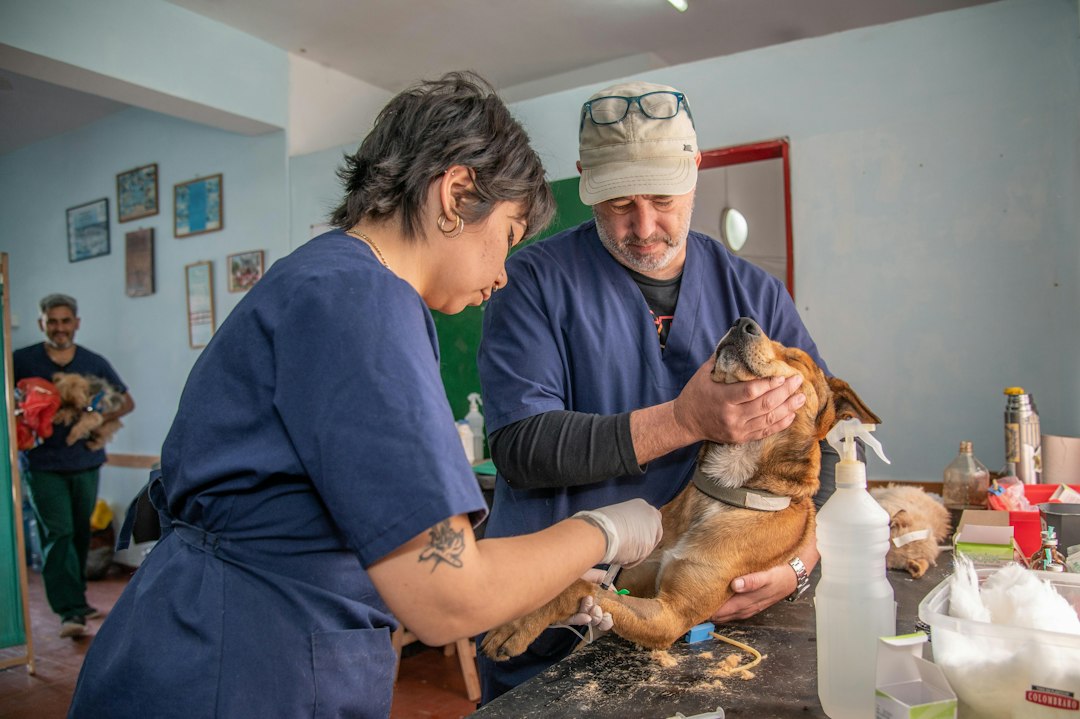
Photo note
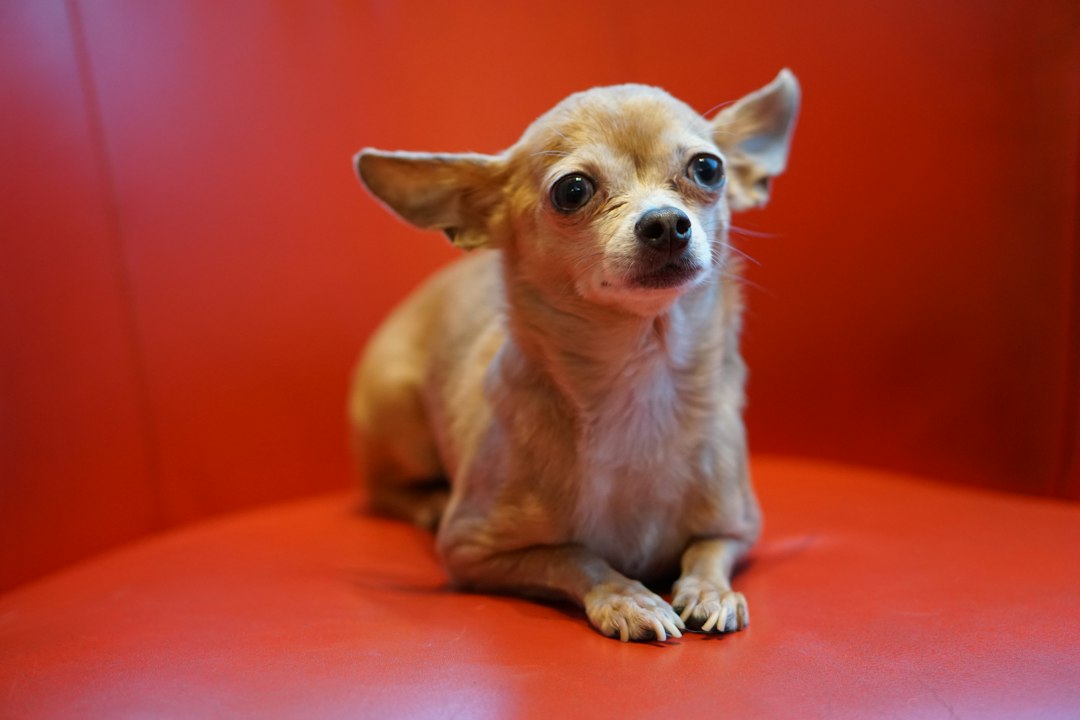
Photos on this page are stock images. They do not show dogs with this condition.
Home Care and Breeding Advice
SAFE TO DO
- Give medicine exactly as your vet prescribes
- Keep a log of seizures, with the date, length and what happened
- Keep stairs and sharp edges safe for a wobbly or blind dog
- Use a calm routine and patient, short training sessions
- Keep all recheck and blood test visits
- Tell your breeder if your puppy is diagnosed
AVOID
- Stopping medicine because your dog looks better
- Giving human medicine
- Rough play that could hurt the head
- Breeding a dog with a congenital case, or its parents
- Waiting when signs get worse
Congenital hydrocephalus is a birth defect, so affected puppies and their parents should not be bred. Generally it cannot be prevented. For acquired cases, parasite control and keeping vaccines up to date may reduce some infection causes, but tumors cannot be prevented.
When to Call the Vet
Go to a vet now if
Your dog has a seizure, collapses, cannot be woken normally, presses its head hard against objects, suddenly loses vision, or gets much worse over a short time. Book a visit soon for any puppy with a domed head, a large soft spot and learning or walking problems.
Sources
- PetMD: written by a named vet in 2022, no separate medical reviewer listed.
- Great Pet Care: written by a named vet and reviewed by a named vet in 2026. Cost figures are estimates.
- VCA Animal Hospitals: named vet authors, last updated 2024, no separate reviewer.
- University of Missouri Veterinary Health Center: client sheet with no publication date, so details may be dated.
Frequently Asked Questions
What causes this condition in dogs?
Puppies may be born with it because of developmental problems, genetics, infection or toxins before birth. Older dogs may get it from tumors, infection, inflammation or injury.
Is it painful?
The pressure can cause headaches and distress. Signs such as head pressing suggest discomfort, so see a vet.
Can a dog live a normal life with hydrocephalus?
Mild cases can. Severe cases can lead to seizures, brain damage or death. Outlook depends on the cause and how early treatment starts.
Does a large soft spot mean my puppy has it?
No. A large soft spot is common in toy breeds. Vets look at it together with other signs and tests.
Is there a cure?
No cure is known. It can be managed with medicine, and surgery may help severe cases.
How do vets confirm it?
They use an exam, ultrasound through the soft spot when open, and MRI or CT for a clear answer.
Can it be prevented?
Congenital cases generally cannot be prevented. Affected dogs and their parents should not be bred.
How much does treatment cost?
Sources estimate anywhere from a few hundred dollars a month for medicines to several thousand for surgery. Ask your vet for a written estimate.
Final Thoughts
Water on the brain in dogs is serious, but early care helps. Watch small and short faced puppies for a domed head, slow learning, circling and head pressing. Do not rely on the soft spot alone. Book a vet visit, ask about an ultrasound or MRI, and follow the treatment plan closely.