Can Dogs Have Piles? Rear End Problems Explained

You see your dog scooting across the carpet, or a red swelling near the tail, and you wonder: can dogs have piles? Four sources we checked agree that dogs do not get hemorrhoids like humans, mainly because dogs walk on four legs, which puts less pressure on the blood vessels around the rectum. But the same signs often come from other problems, some of them serious.
We compared AKC (with comments from its chief veterinarian), Canine Journal, Wag and The Pet Vet. Written by the Paws and Facts Editorial Team. We are not vets, so this page is general information and not a diagnosis.
Key Takeaways
- True piles are very unlikely in dogs. AKC says dogs do not get hemorrhoids, and The Pet Vet says they rarely do.
- Anal gland trouble is the most common look alike, according to AKC and Canine Journal.
- Other causes include rectal prolapse, perianal fistulas, masses and perineal hernias.
- A tube shaped mass coming out of the anus is urgent. Canine Journal and The Pet Vet both say get prompt care.
- Do not use human hemorrhoid cream or human painkillers on your dog.
- Do not squeeze the anal glands yourself unless a vet has shown you how.
Can Dogs Have Piles? What Vets and Sources Say
Human hemorrhoids are swollen veins in the rectum or anus, often linked to pressure on those veins. AKC quotes its Chief Veterinarian, Dr. Jerry Klein, who says a dog’s body is horizontal rather than vertical, so there is much less pressure on the rectal and anal blood vessels. Canine Journal and Wag give the same reason. The Pet Vet words it more softly, saying dogs rarely get true hemorrhoids.
So the honest answer is that piles are not a typical dog problem, but a sore, swollen or bleeding rear end is. The rest of this page covers what it might be instead.
What Looks Like Piles in Dogs
These conditions are named by the sources. Not every source lists every condition, so we show who mentions what.
| Condition | What it is | Clues | Mentioned by |
|---|---|---|---|
| Anal gland problems | Glands that become blocked, infected or form an abscess | Scooting, licking, fishy smell, swelling near the anus | AKC, Canine Journal, Wag, The Pet Vet |
| Rectal prolapse | Part of the rectum pushes out of the anus | A cylinder shaped mass. Urgent | AKC, Canine Journal, The Pet Vet |
| Perianal fistula | Chronic, painful draining tunnels around the anus | Foul smell, pus, straining. German Shepherds most often named | AKC, Canine Journal, Wag, The Pet Vet |
| Masses or tumours | Growths that can be harmless or cancerous | A lump near the anus, bloody stool | AKC, Canine Journal, The Pet Vet |
| Perineal or perianal hernia | Organs push through weak tissue near the anus | A bulge beside the anus. Trapped organs are an emergency | AKC, Canine Journal |
| Diarrhoea, constipation or worms | Digestive problems that irritate the area | Scooting, straining | Wag, The Pet Vet |
If you own a breed named for hernias, our guides on the boxer mix with pit and Boston Terrier vs French Bulldog cover those dogs in more detail.
Signs to Watch For
AKC and Canine Journal list these common signs of a rear end problem:
- Scooting or dragging the rear along the floor
- Excessive licking or biting at the anus
- Swelling, redness or a visible mass near the anus
- Blood or pus in the stool, or near the anus
- Straining to poop, or pain when pooping or sitting
- A fishy smell
- Draining sores
- Unusual tail position (AKC)

When to See a Vet
The Pet Vet lists these as same day problems. Canine Journal says a protruding mass is urgent.
How Long Can You Wait? Sources Differ
| Source | Advice on timing |
|---|---|
| AKC | Contact a vet if you notice any of the signs. No timeline given |
| Canine Journal | See a vet for scooting, licking, odour, trouble pooping, swelling, a mass, blood in the stool or draining sores |
| The Pet Vet | Book a visit for an anal lump, or scooting or licking lasting more than a day or two, or blood in the stool that keeps coming back |
The safest reading is this: call your vet for any of these signs. A dog that scoots once after loose stool is different from one that scoots for days, but you cannot tell the cause by looking.
What the Vet Will Do and Possible Treatment
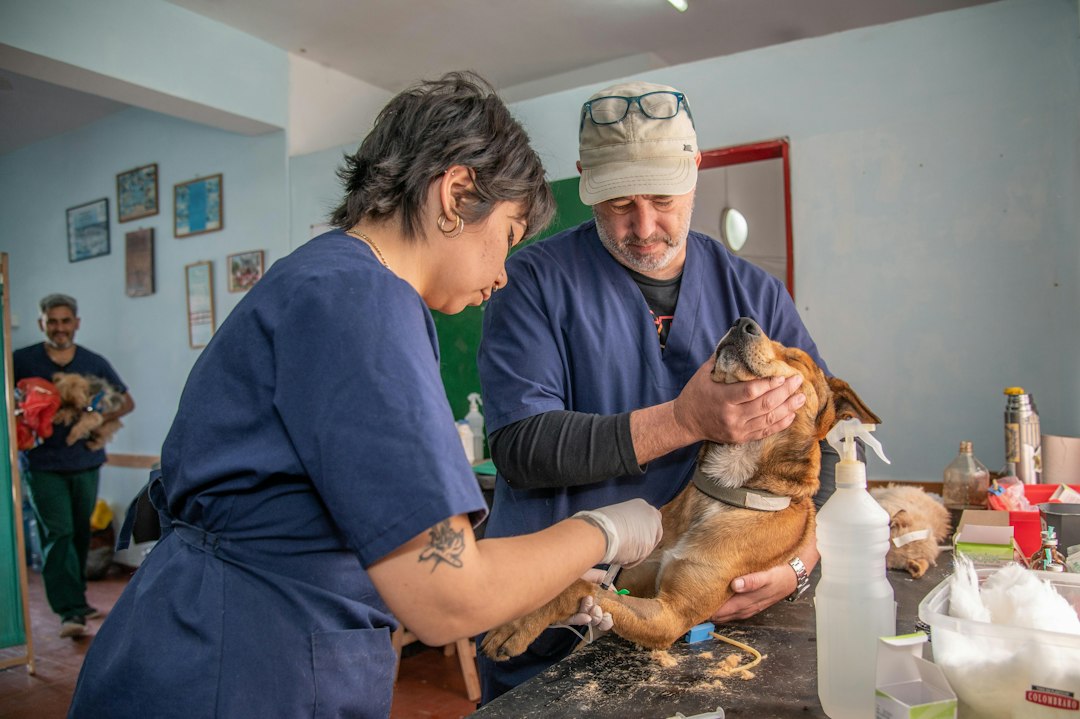
Diagnosis usually starts with a physical and rectal exam. The Pet Vet says it may also include a tissue sample, fecal test, bloodwork or imaging. Treatment depends on the cause, as described by the sources:
- Anal glands: a vet empties them, and may add antibiotics, anti inflammatory medicine or flushing (Canine Journal, Wag).
- Rectal prolapse: repositioning and stitches, or surgery in severe cases (Canine Journal).
- Masses: monitoring or surgery, sometimes chemotherapy or radiation if malignant (Canine Journal, AKC).
- Perianal fistula: may need surgery, though Wag says immune drugs can also work and may be preferred.
- Digestive causes: deworming and diet changes (The Pet Vet).
We give no doses or drug names to try at home. Only your vet should decide what your dog needs.
Safe Care at Home Until the Vet Visit
Check the area gently. Do not push on a lump, pull at tissue or try remedies without advice (AKC).
Gently wipe or wash off stool, as suggested by AKC.
AKC and Canine Journal say a warm compress may help while you arrange a vet visit.
The Pet Vet mentions a cone if licking causes raw skin, once the cause is confirmed.
Write down scooting, stool changes and appetite, and take a photo to show your vet.

SAFE TO DO
- Gently clean and dry the area
- Use a warm compress while waiting for the vet
- Ask your vet before changing the diet or adding fibre
- Keep your dog at a healthy weight
- Provide fresh water
AVOID
- Human hemorrhoid creams
- Human painkillers such as ibuprofen or naproxen
- Squeezing the anal glands at home
- Ignoring a lump or a protruding mass
- Waiting if your dog strains without passing stool
Rear End Triage Checker
This quick tool turns the warning signs above into a suggested next step. It cannot examine your dog, so treat the answer as a prompt, not a diagnosis.
Tick anything that applies
Other signs
Formula: any of the first five boxes means a same day vet visit. Otherwise, any other sign plus the duration box means book a vet visit. Any other sign alone means call your vet, since AKC and Canine Journal advise a visit for any of these signs. No boxes means no listed warning sign. Limits: this follows AKC, Canine Journal, Wag and The Pet Vet, which differ on timing. Estimate only, not veterinary advice.
Sources
- AKC: why dogs do not get hemorrhoids, rear end problems list, home care (Chief Veterinarian comments, no separate reviewer named)
- Canine Journal: look alike conditions, treatment, no human cream (no medical reviewer named)
- Wag: anal glands, fistulas, risk factors (no medical reviewer named, last edited 2024)
- The Pet Vet: same day signs, diagnosis, treatment (site says veterinary review is still in progress)
Frequently Asked Questions
Do dogs get hemorrhoids?
AKC says no, and The Pet Vet says rarely. A dog’s horizontal body puts less pressure on the rectal blood vessels than a person’s upright body does.
Why is my dog scooting?
Scooting has several causes, including anal gland problems, worms, constipation, diarrhoea or irritation. A vet should check, especially if it lasts more than a day or two.
What is the most common cause of a sore rear end in dogs?
AKC and Canine Journal both name anal gland problems as the most common cause.
Is something sticking out of my dog’s bottom an emergency?
A tube shaped mass can be rectal prolapse. Canine Journal says it needs prompt vet care and The Pet Vet lists it as a same day problem.
Can I use Preparation H on my dog?
No. Canine Journal says human hemorrhoid creams are not recommended for dogs. Ask your vet before using any product.
Can I squeeze my dog’s anal glands at home?
AKC says not to, unless a vet has shown you how, because improper expression can cause harm.
Can I give my dog human pain medicine for a sore bottom?
No. Canine Journal says not to give human pain medicine, and The Pet Vet says ibuprofen and naproxen are toxic to dogs.
Is blood in my dog’s stool a sign of piles?
Not usually. It can come from several causes, including masses or fistulas. Canine Journal and The Pet Vet both say to see a vet.
Final Thoughts
So, can dogs have piles? Sources say true hemorrhoids are very unlikely, but swelling, bleeding, scooting or a lump near the anus is a real problem with several possible causes. Clean the area gently, skip human creams and painkillers, never squeeze the glands yourself and call your vet. Go the same day if tissue is sticking out or your dog is straining.