Can Dogs Catch the Cold From Humans? Facts and Care

You wake up sniffling, and your dog is sneezing too. So can dogs catch the cold from humans? The sources we checked agree that the human cold virus does not normally infect dogs, and your dog’s illness is more likely something dog specific. That still matters, because a cough or runny nose in a dog can be kennel cough, canine flu or something more serious.
We compared PetMD, GoodRx (reviewed by a veterinarian), Purina and Charleston Animal Society (CCSPCA). Written by the Paws and Facts Editorial Team. We are not vets, so this page is general information and not a diagnosis.
Key Takeaways
- The human cold does not pass to dogs. GoodRx calls it nearly impossible, and PetMD says human cold viruses do not typically affect dogs.
- Dogs have their own cold like illnesses, such as kennel cough and canine flu, caused by different germs.
- Most mild cases last one to two weeks, but you should still call your vet for any respiratory signs.
- Emergency signs are trouble breathing, gagging, not eating, and extreme tiredness.
- Never give human cold medicine. GoodRx and Purina both warn against it.
- Rare exceptions exist. PetMD notes rare COVID 19 positives in dogs, usually mild.
Can Dogs Catch the Cold From Humans? What Sources Say
Human colds are mostly caused by rhinoviruses. PetMD says these viruses do not typically affect dogs, and the reverse is also unlikely. GoodRx says dogs get cold like illnesses from viruses and bacteria that differ from the ones behind human colds, so it is nearly impossible for your dog to catch your cold. Purina says the same about both the human cold and human flu. CCSPCA also calls a cold transfer nearly impossible.
In plain words: you are not likely to give your dog your cold, and your dog is not likely to give you theirs. The sources do not all cover every illness, so here is how they line up.
| Human illness | Can dogs catch it from you? | What the sources say |
|---|---|---|
| Common cold | Nearly impossible | PetMD, GoodRx, Purina, CCSPCA |
| Human flu | Not described as a risk | Purina says dogs are not affected. CCSPCA does not say dogs catch human flu. |
| COVID 19 | Rare | PetMD notes rare positive dogs, usually mild or no signs. GoodRx and CCSPCA do not cover it. |
| Mumps, MRSA, tuberculosis, salmonella | Rare | CCSPCA says dogs can catch these from people, but cases are rare. This article is from 2017, so check current vet advice. |

Dog Illnesses That Look Like a Cold
If your dog is sneezing, coughing or has a runny nose, the cause is usually a dog illness. PetMD names canine adenovirus, canine parainfluenza virus and Bordetella bronchiseptica (kennel cough) as part of the canine infectious respiratory disease complex. GoodRx adds canine flu.
| Condition | What it is | Notes from sources |
|---|---|---|
| Kennel cough | Bacterial and viral airway infection | Dry honking cough. Some dogs cough but act healthy. Purina says call your vet promptly. |
| Canine flu | Dog specific virus | Sneezing, runny nose, cough, tiredness, low appetite, fever. Spreads easily between dogs. Purina says people cannot catch it but can carry it on clothes. |
| Canine distemper | Serious virus | Purina says it is preventable by vaccination. |
| Seasonal allergies | Immune reaction, not an infection | Purina lists it as a look alike. |
| Flat faced breed breathing problems | Airway shape | Purina names pugs, French bulldogs and Shih Tzus. |
| Pneumonia | Lung infection, can follow a cold | PetMD says puppies, seniors, immunocompromised dogs and flat faced breeds are at higher risk. |
Notice that several of these look the same from the outside. GoodRx says a vet should rule out other causes for this reason.
Signs to Watch For
PetMD and GoodRx list these common signs of a respiratory illness in dogs:
- Runny or stuffy nose, sneezing and snoring
- Honking or rough cough
- Watery eyes or eye discharge
- Reduced appetite and low energy
- Fever
- Open mouth breathing, or wet or shallow breathing
- Pawing at the face (GoodRx)

How Long Does a Dog Cold Last?
| Source | Duration given |
|---|---|
| Purina | Mild cold signs usually last about 5 to 10 days |
| PetMD | Kennel cough or CIRD signs usually last one to two weeks |
| GoodRx | Often 1 to 2 weeks. Go back to the vet if a cough lasts beyond 21 days despite treatment |
The ranges overlap but do not match. PetMD also mentions some recent “mystery” illness cases that lasted up to eight weeks, which is a good reason to call your vet if your dog is not improving.
Home Care While Your Dog Recovers
There is no specific cure for most mild cases, so supportive care is the focus. Always follow your own vet’s advice first.
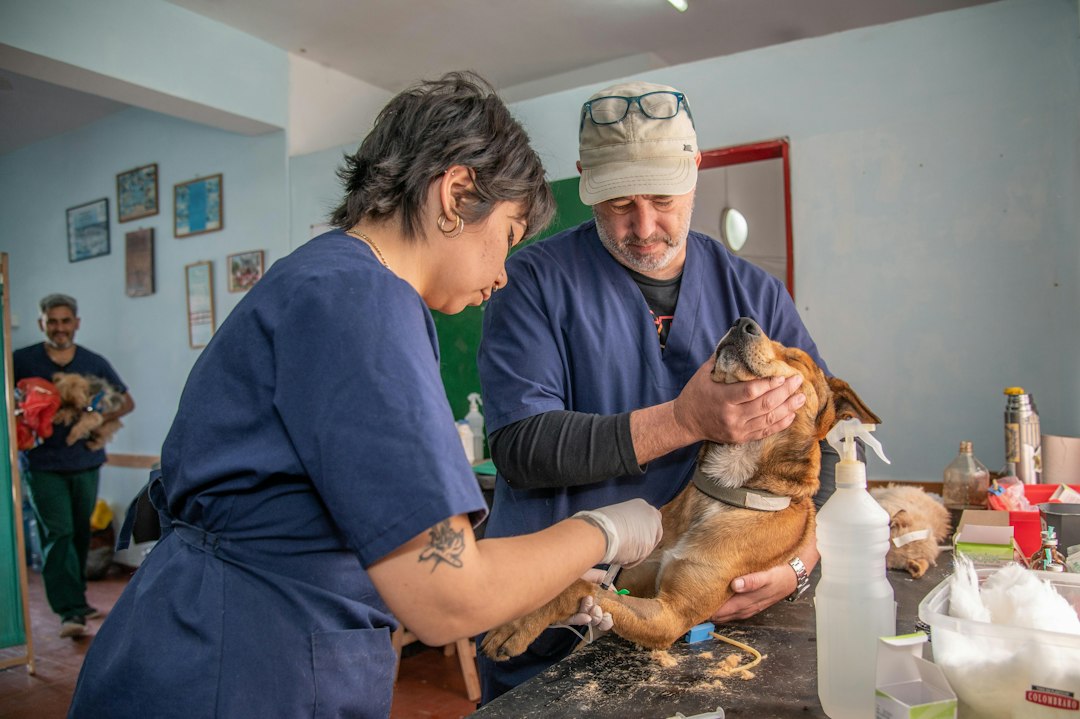
PetMD and GoodRx both say to call promptly if your dog shows respiratory signs. Ask whether your dog needs an exam.
Keep walks short and gentle, and bring exercise back slowly (GoodRx).
Run a humidifier where your dog sleeps (Purina, GoodRx).
Warm the food so it smells stronger and is easier to eat (Purina, GoodRx).
Illness can spread between dogs. PetMD suggests keeping sick dogs home.
Clean toys, bedding and bowls (Purina).

SAFE TO DO
- Rest, warm food and fresh water
- Humidifier near the dog bed
- Washing bowls, bedding and toys
- Keeping vaccinations up to date
- Asking your vet before any medicine
AVOID
- Human cold or flu medicine
- Visiting dog parks, daycare or grooming
- Sharing bowls and toys with other dogs
- Waiting when breathing is hard
- Guessing at a diagnosis
How to Protect Your Dog When You Are Sick
Even if the cold itself is unlikely to pass to your dog, a few habits are sensible, and they cost nothing.
- Wash your hands after coughing or sneezing and before handling your dog’s food.
- Limit close face contact while you are ill.
- If you have a cat, keep your distance. CCSPCA says cats are much more susceptible to colds.
- Change and wash your clothes before visiting other dogs if you have been near a sick dog (Purina).
- Keep your dog’s vaccinations current, and separate new dogs from other pets for two weeks (PetMD).
Dog Cold Symptom Checker
This quick tool turns the signs above into a suggested next step. It cannot examine your dog, so use it as a prompt, not a diagnosis.
Tick anything that applies
Formula: any of the first five boxes means see a vet right away. Otherwise the high risk box means call your vet today. Otherwise the duration decides: under 3 days call your vet for advice and use home care, 3 to 14 days book a visit if there is no clear improvement, over 14 days book a visit. Limits: this follows warning signs from PetMD, GoodRx and Purina, and the duration ranges in those sources do not match. Estimate only, not veterinary advice.
Sources
- PetMD: human cold viruses, CIRD, symptoms, rare COVID 19 cases, prevention
- GoodRx: cold like illness, home care, no human medicine (reviewed by a veterinarian)
- Purina: human cold and flu, canine flu, home care
- Charleston Animal Society (CCSPCA): rare human to dog illnesses (article dated 2017, so treat as older information)
Frequently Asked Questions
Can my dog catch my cold?
Very unlikely. GoodRx calls it nearly impossible, and PetMD says human cold viruses do not typically affect dogs.
Can dogs get the human flu?
Purina says dogs are not affected by human flu. Dogs can get canine flu, which is a different, dog specific virus.
Can dogs get COVID 19 from people?
PetMD notes rare positive cases in dogs, usually with mild or no signs. If you are unsure, call your vet.
Why is my dog sneezing and coughing?
It is more likely a dog illness such as kennel cough or canine flu, or an allergy. A vet should rule out other causes.
How long does a dog cold last?
Sources give about 5 to 10 days (Purina) or one to two weeks (PetMD, GoodRx). Call your vet if signs last longer or get worse.
Can I give my dog human cold medicine?
No. GoodRx and Purina both warn against human cold medicine. Only give what your vet prescribes.
Can cats catch a cold from people?
CCSPCA says cats are much more susceptible to colds, so keep your distance from a cat when you are sick. This is from an older article.
Can my dog pass a cold like illness to other dogs?
Yes. Kennel cough and canine flu spread between dogs through contact and shared items. Keep a sick dog away from other dogs.
Final Thoughts
So, can dogs catch the cold from humans? Not in the usual sense. Sources agree the human cold does not normally pass to dogs, but dogs get their own respiratory illnesses and a few rare infections have been reported. Watch for breathing trouble, poor appetite and tiredness, never give human cold medicine, and call your vet when your dog seems unwell.