Neapolitan Mastiff: Size, Lifespan, Health and Care

The Neapolitan Mastiff is one of the most striking dogs you can own, with loose skin, deep wrinkles and a calm, watchful face. It is also a very large dog that needs room, careful feeding and an owner who understands guardian breeds. Online pages disagree on lifespan, height and weight, so we compared the official breed standard with several breed and health sources.
Written by the Paws and Facts Editorial Team. We checked the FCI standard 197, Wikipedia, AKC, American College of Veterinary Surgeons and breed guides from Wisdom Panel, Breed Advisor, Dog Academy and Embrace Pet Insurance. We are not vets, so talk to your own vet about health and feeding.
Key Takeaways
- Giant size. The FCI standard allows males 65 to 75 cm tall and 60 to 70 kg, and females 60 to 68 cm and 50 to 60 kg.
- Lifespan is short and sources disagree. Most guides say 7 to 9 years, Wikipedia gives a median of 9.3 years, and one insurer says 10 to 12.
- Calm but protective. The AKC calls the breed wary with strangers and sweet with loved ones.
- Bloat is an emergency. Feed two to three smaller meals and ask your vet about preventive surgery.
- Low exercise, high care. About half an hour of daily walking, plus wrinkle cleaning and drool control.
- No verified price. We did not find a reliable price, so ask breeders for written health clearances instead of chasing a cheap puppy.
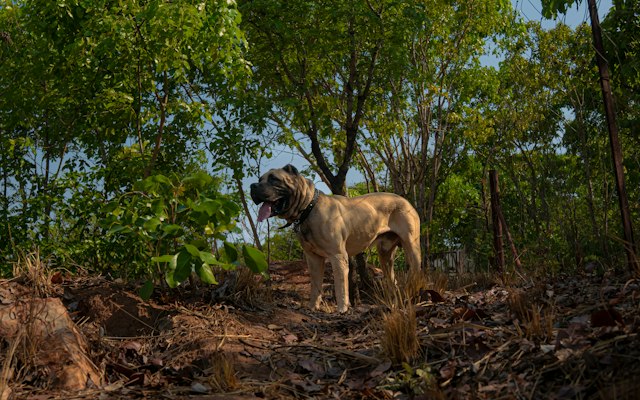
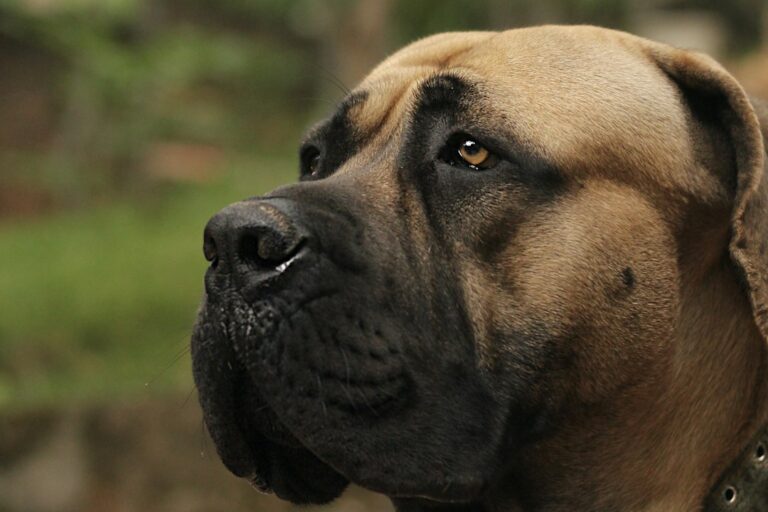
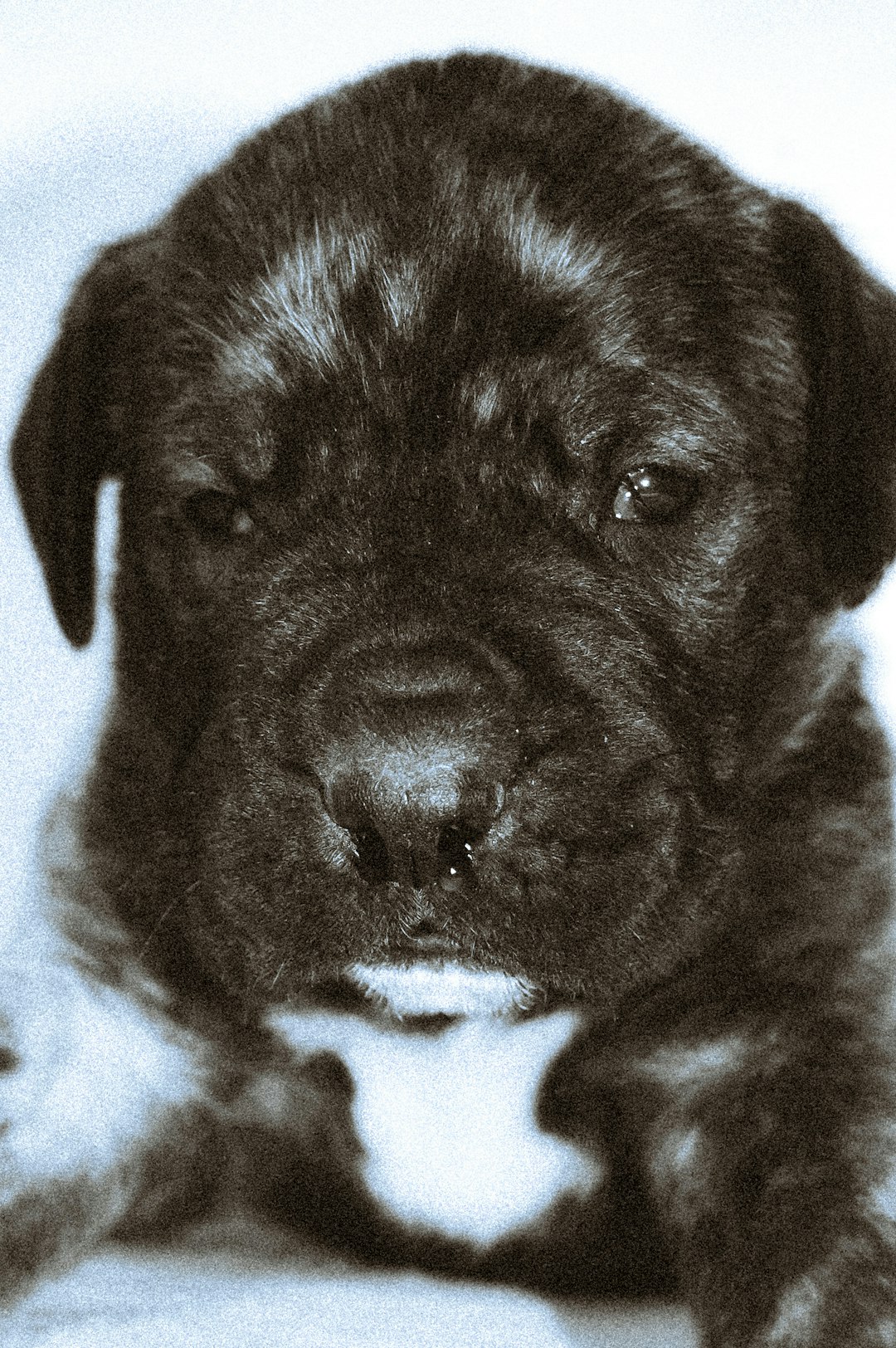
Photos on this page show wrinkled mastiff type puppies for illustration. They are not confirmed Neapolitan Mastiffs.
What Is a Mastino Napoletano?
The Mastino Napoletano is an Italian mastiff type dog and a relative of the Cane Corso, according to Wikipedia. Careful breeding began in 1947 with Piero Scanziani, who wrote the first standard. Italy recognized the breed in 1949 and the FCI in 1956. The AKC says the breed has intimidated intruders since ancient Rome, and Wisdom Panel notes that the AKC recognized it in 2004.
| Quick fact | What the sources say |
|---|---|
| Origin | Italy (FCI standard 197) |
| FCI group | Group 2, Section 2.1, molossoid mastiff type |
| Coat | Short coat. Black, grey and lead grey are preferred, with brown, fawn and deep fawn also accepted. Any coat may be brindled (FCI and Wikipedia) |
| Skin | Loose and abundant with heavy wrinkles on the head |
| Body shape | Body length about 15 percent longer than height (FCI) |
| Job | Protection and guard work (FCI) |
Neapolitan Mastiff Size and Weight
The official numbers come from the FCI standard. Breed websites round them up and give wider ranges, so we show both.
| Source | Height | Weight |
|---|---|---|
| FCI standard, males | 65 to 75 cm (26 to 30 in) | 60 to 70 kg (130 to 150 lb) |
| FCI standard, females | 60 to 68 cm (24 to 27 in) | 50 to 60 kg (110 to 130 lb) |
| Wisdom Panel | 24 to 31 in | 90 to 153 lb |
| Breed Advisor | 24 to 31 in | 110 to 150 lb |
| Dog Academy | 26 to 31 in | 110 to 150 lb |
| Embrace Pet Insurance | 24 to 29 in | 110 to 150 lb |
The FCI standard lists size outside its limits as a fault. Breed Advisor adds that the breed is slow to mature, with calmer behavior often arriving around two to three years of age. It also advises against repetitive fetch for young dogs, because heavy puppies are still growing.

Lifespan: Why Sources Disagree
Lifespan is the part many owners find hardest. Wisdom Panel, Breed Advisor and Dog Academy all say 7 to 9 years. Wikipedia gives a median of 9.3 years and notes that all dogs average 12.5. Embrace Pet Insurance gives 10 to 12 years, which is higher than the others and does not say where the figure comes from.
Temperament and Behavior
The FCI standard describes a steady, loyal dog that is not aggressive and guards its property. It lists aggressive or overly shy dogs as disqualified from the show ring. The AKC describes the Mastino as wary with strangers and sweet, placid and steady among loved ones.
Does it get along with other dogs? Wisdom Panel says it may not. Is it easy to train? Wisdom Panel calls the breed stubborn. Start socialization early, use rewards, and keep sessions short. None of our sources give a firm answer for small children. Any giant dog can knock a child over by accident, so supervise every interaction.
Common Health Problems
The sources agree on a similar watch list. Not every dog will have these problems, and a list is not a diagnosis. Your vet can tell you which ones matter for your dog.
| Condition | What the sources say |
|---|---|
| Hip and elbow dysplasia | Listed by Dog Academy and Embrace. Breed Advisor says the breed club recommends hip and elbow exams for breeding dogs. |
| Bloat (GDV) | Listed by Dog Academy, Breed Advisor and Embrace. See the emergency box below. |
| Cherry eye, entropion and ectropion | Eye and eyelid problems listed by Embrace and Dog Academy. The FCI standard disqualifies entropion and ectropion. |
| Heart disease | Embrace lists cardiomyopathy. Breed Advisor says cardiac exams are recommended for breeding dogs. |
| Thyroid, allergies and ears | Hypothyroidism, allergies and ear infections are listed by Dog Academy. Embrace lists thyroiditis. |
| Joint and bone issues | Embrace lists cruciate injury and osteosarcoma. Dog Academy lists back problems. |
Mastino Meal Split Planner
Bloat advice means splitting food into smaller meals. This tool divides your daily food amount into equal meals. It does not tell you how much to feed.
Split my dog’s daily food
Formula: daily amount divided by number of meals. Limits: the tool does not know your dog’s age, weight or health, so use the daily amount your vet recommends. Estimate only, not veterinary advice.
Exercise, Drool and Daily Care
Dog Academy says about half an hour of exercise a day is enough, and Wisdom Panel suggests roughly 15 to 30 minutes of walking. Breed Advisor warns that the breed overheats easily and drools, and recommends weekly brushing. Embrace suggests a solid fence of 5 to 6 feet.
- Wrinkles: wipe the folds and dry them, because moisture can irritate the skin. Ask your vet if you see redness or a smell.
- Drool: keep towels handy. Expect drool on floors and furniture.
- Heat: walk early or late in warm weather and give shade and water.
- Food: Dog Academy suggests a mastiff type formula for low energy giant breeds. Ask your vet to choose.

Is This Breed Right for You?
DO
- Have a large, secure, fenced yard or plenty of floor space
- Ask breeders for written hip, elbow, heart, thyroid and eye clearances
- Start socialization and reward based training early
- Budget for vet care, insurance and a giant dog’s food
DO NOT
- Buy from anyone who cannot show health screening
- Use repetitive fetch or hard jumping on a growing puppy
- Feed one huge meal a day
- Leave a drooling, heat sensitive dog in a hot room
Some landlords and insurers restrict large guardian breeds. Ask before you pay a deposit.
Ask to see both parents and their written health results.
Book a vet visit, a trainer and a meal schedule before the puppy arrives.
Related Breeds
If you like giant guardian breeds, read our guides to the American Mastiff, the Fila Brasileiro, the Canario Dog and Cane Corso and breeding Saint Bernards.
Sources
- FCI breed standard 197, Mastino Napoletano
- Wikipedia, Neapolitan Mastiff
- American Kennel Club, breed overview
- American College of Veterinary Surgeons, bloat information
- Wisdom Panel, Breed Advisor, Dog Academy and Embrace Pet Insurance breed guides
Frequently Asked Questions
How big does a Mastino get? The FCI standard allows males 65 to 75 cm and 60 to 70 kg, and females 60 to 68 cm and 50 to 60 kg. Breed guides often list 110 to 150 lb.
How long does a Mastino live? Most guides say 7 to 9 years. Wikipedia gives a median of 9.3 years, and Embrace gives 10 to 12 years.
Is the breed aggressive? The FCI standard calls it steady and not aggressive, and disqualifies aggressive dogs. The AKC says it is wary with strangers, so early socialization matters.
Do they drool a lot? Breed Advisor says they drool, and the loose lips and wrinkles make drool and skin care part of daily life.
How much exercise does a Mastino need? About half an hour a day according to Dog Academy, and 15 to 30 minutes of walking according to Wisdom Panel.
Are they good with other dogs and children? Wisdom Panel says they may not get along with other dogs. Our sources give no firm answer on children, so supervise all contact.
How is a Mastino different from a Cane Corso? Wikipedia describes the Mastino as an Italian mastiff type related to the Cane Corso. The Mastino has far looser skin and heavier wrinkles.
How much does a puppy cost? We did not find a reliable price, so we do not give one. Ask for health clearances and a written contract, and consider a rescue.
Final Thoughts
The Neapolitan Mastiff is a calm giant with a protective streak, a short lifespan and a long list of health points to watch. If you can give space, structure and vet care, he can be a loyal family guardian. Start with the law, the breeder health tests and a bloat plan, and choose carefully.