Fila Brasileiro: Size, Temperament and Legal Facts
By the Paws and Facts Editorial Team. Sources: FCI breed standard, GOV.UK, Merck Veterinary Manual, OFA, ACVS and AKC. This guide is educational and does not replace advice from your veterinarian or a qualified trainer.
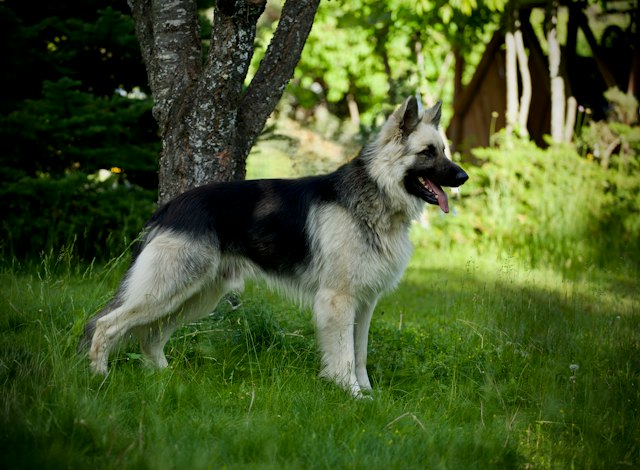
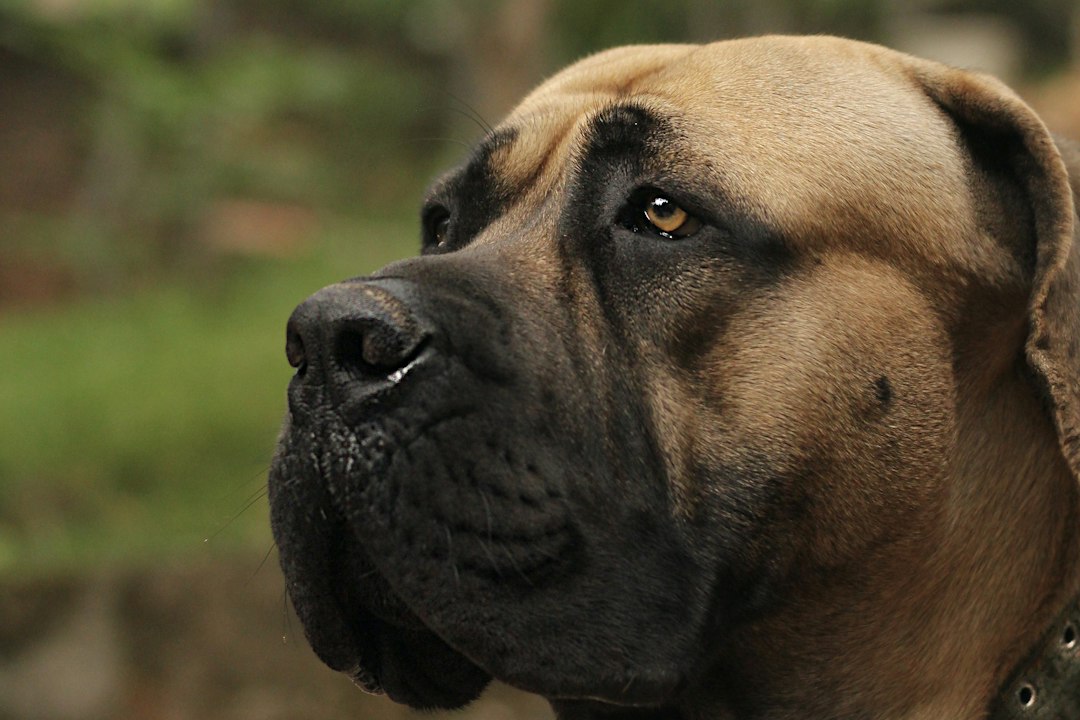
The fila brasileiro, also called the Brazilian Mastiff, is a giant guardian breed with a reputation for loyalty and a strong dislike of strangers. It is not a casual choice. The breed is large, powerful and restricted in several places, so you need clear facts before you bring one home. This guide covers size, temperament, legal rules, health checks and a fit quiz, using the FCI breed standard and veterinary sources.
Key Takeaways
- The FCI standard lists males at 65 to 75 cm and females at 60 to 70 cm at the shoulder.
- The breed is naturally aloof with strangers and loyal and tolerant with family.
- It is a banned type in the UK, so check local rules in your own area.
- Bloat with stomach twisting is an emergency in large deep chested dogs.
- It is not a beginner dog.
Fila Brasileiro Quick Facts
| Trait | What the standard says |
|---|---|
| Origin | Brazil |
| FCI group | Group 2, molossoid, mastiff type |
| Height (males) | 65 to 75 cm (about 25.6 to 29.5 in) |
| Height (females) | 60 to 70 cm (about 23.6 to 27.6 in) |
| Minimum weight | Males 50 kg (110 lb), females 40 kg (88 lb) |
| Coat colors | Brindle, fawn and black |
| Disqualified colors | White, mouse grey, dappled, black and tan, blue |
| Role | Guardian of property |
| Lifespan | About 9 to 12 years in guides, not firmly sourced |
The figures above come from the FCI breed standard, except the lifespan, which is a common guide estimate. White markings are allowed only on the feet, chest and tail tip.
Size and Growth
Merck says large and giant breeds reach skeletal maturity at about 10 to 16 months, and it advises a growth diet labeled for large breed puppies. The AKC adds that puppies expected to weigh 70 pounds or more as adults should eat a large breed growth diet for their whole growth period. Fast growth puts stress on joints, so keep your puppy lean, with ribs you can feel and a visible waist.
Temperament: What the Standard Describes
The FCI standard describes courage, determination and a calm, self assured nature that is not easily startled. It calls the dog docile, obedient and very tolerant with its family, including children, and intensely loyal. It also says the dog is naturally aloof toward strangers, especially on its own territory, yet must accept controlled handling. Aggressive or overly shy dogs are disqualified.
Aloof does not mean friendly later. A large guardian type needs early, careful socialization, secure fencing and visitors managed with a plan. If you cannot provide that, this is the wrong breed.
- Expect a dog that watches visitors and decides slowly.
- Plan introductions on neutral ground with a leash and a calm helper.
- Never leave the dog loose with unfamiliar guests.

Good With Kids and Other Pets?
The standard calls the dog very tolerant with children in its own family, but a dog this size can knock over a toddler by accident. Supervise all contact. Also note that from 1 November 2026 the UK bans leaving a child under 12 in close contact with a banned type dog in a private place without adult supervision. With other pets, early and careful exposure matters, and many guardian types do better as the only dog or with a carefully chosen companion.
Is It Legal Where You Live?
GOV.UK lists the Fila Brasileiro among the banned dog types in the UK, alongside the Pit Bull Terrier, Japanese Tosa, Dogo Argentino and XL Bully. A dog is judged by its appearance, not its name. Keeping one illegally can bring an unlimited fine, up to 6 months in prison, or both, and the dog can be destroyed. A court may allow a Certificate of Exemption, and the dog must then be neutered, microchipped, secure, and leashed and muzzled in public.
Breed guides also report restrictions or bans in countries such as Australia, Norway, Denmark, Israel and Malta. In the United States there is no single national ban, but cities, landlords and insurers may set their own breed rules. Laws change, so confirm with official government sources before buying.
| Check | Ask this |
|---|---|
| Country and city rules | Is the breed banned, restricted or regulated? |
| Landlord or HOA | Does the lease allow a giant guardian breed? |
| Home insurance | Will the insurer cover a Fila? |
| Travel plans | Will the rules change if you move? |
Is It Right for You? Quick Fit Check
Answer seven yes or no questions. The tool adds up your yes answers. This is a simple self check, not expert advice. It cannot judge your home, your experience or the individual dog.
A Simple Visitor Plan
Because the breed is aloof with strangers, plan every visit instead of hoping for the best. A written routine keeps everyone safe and keeps the dog calm.
- Put the dog in a secure room with a chew before guests arrive.
- Let guests in first, then bring the dog out on a leash when it is calm.
- Ask guests to ignore the dog and let it approach, or not, on its own.
- Never allow guests to reach over the dog or hug it.
- End the visit before the dog becomes tense.
Training and Socialization
The AVSAB advises that the main socialization window for puppies is the first three months, with classes starting as early as 7 to 8 weeks and at least one round of vaccines given at least 7 days before. Use reward based training, keep sessions short and start early, because a giant dog is much harder to manage later.
Here is a simple first year checkpoint list built from the sources above. Your vet may adjust it for your puppy.
| Stage | Focus |
|---|---|
| 7 to 8 weeks | Start a well run puppy class, with vaccines timed as your vet advises |
| First 3 months | Main socialization window, short and positive exposures |
| Through growth | Large breed growth diet, lean body condition, weekly weight checks |
| 10 to 16 months | Skeletal maturity range for large and giant breeds, per Merck |
| Any time | Ask your vet about gastropexy and the right time for spay or neuter |

Exercise and Daily Care
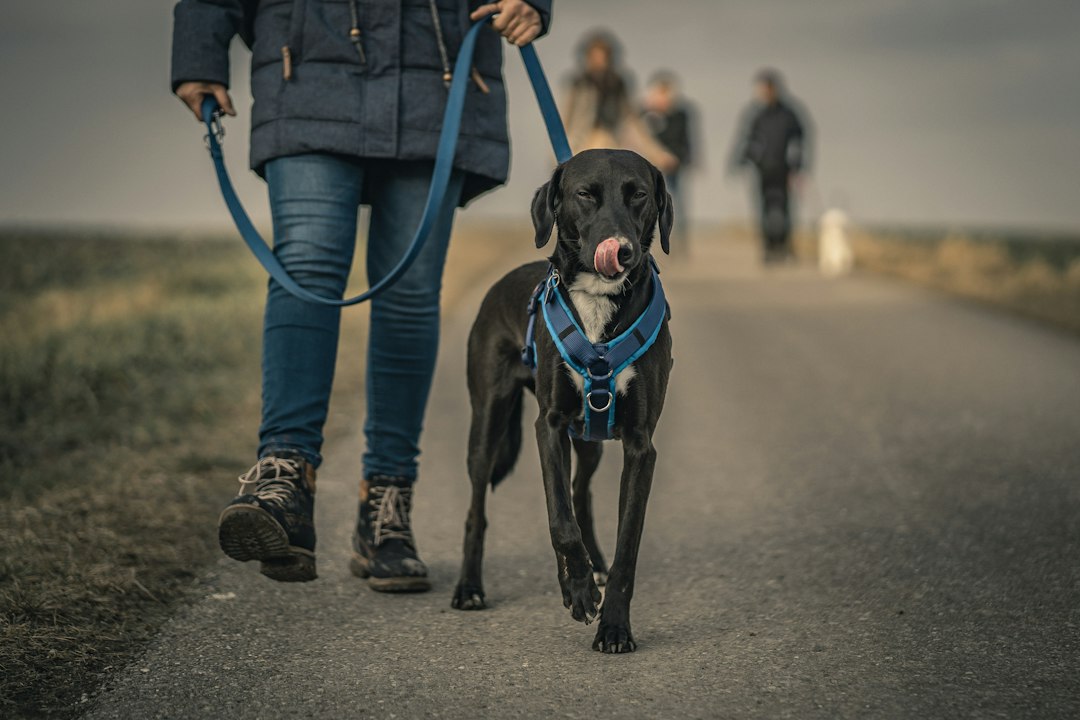
Breed guides suggest about an hour of daily exercise, split between walks and play. The coat is short, and shedding is described as moderate. Feed a large breed puppy diet, and ask your vet for portions. Merck suggests feeding several small meals instead of one large one and avoiding hard exercise before and after meals to lower bloat risk.
Health Concerns and Checks
| Condition | Why it matters | What to do |
|---|---|---|
| Bloat with stomach twisting (GDV) | Merck lists deep chest conformation as a risk factor and calls it a life threatening emergency | Feed small meals, avoid hard exercise around meals, ask about gastropexy |
| Hip dysplasia | A malformed hip joint can cause pain and arthritis, says OFA | Ask for OFA hip results for the parents |
| Elbow dysplasia | Listed by breed guides for the breed | Ask for elbow screening results |
| Entropion | Eyelid rolling in is listed in breed guides | Have your vet check the eyes |
| Obesity and arthritis | Extra weight stresses large joints | Keep the dog lean |
Merck lists non productive retching, drooling, restlessness and a swollen belly as signs of bloat with twisting. Go to an emergency vet immediately. Waiting even a few hours raises the risk of death.
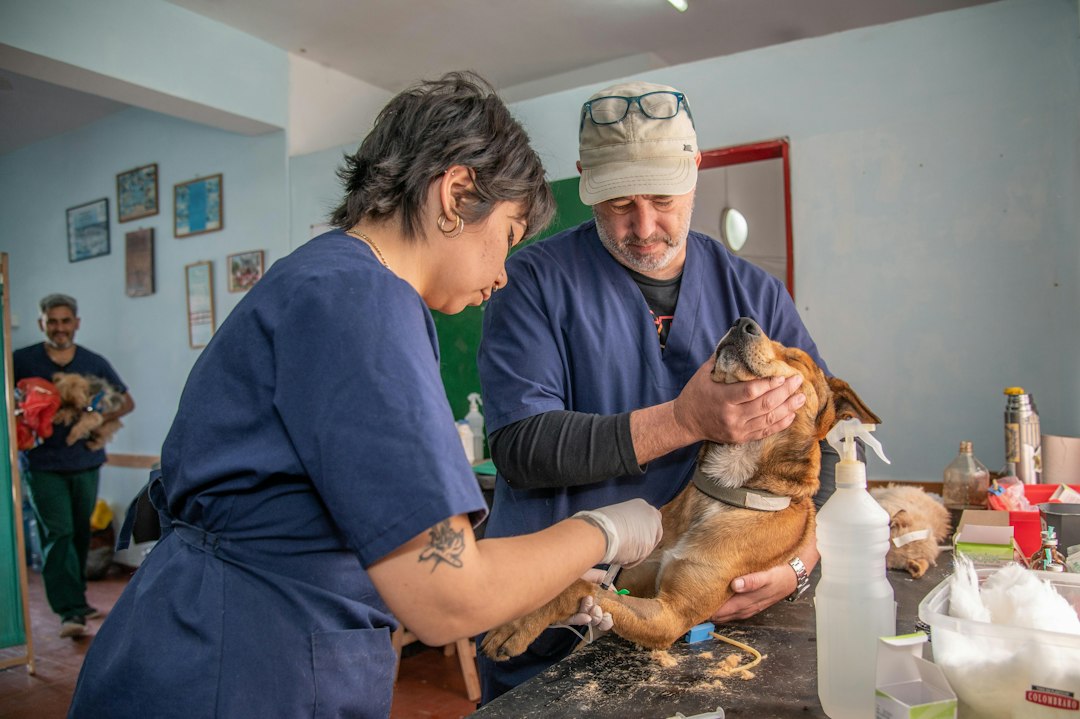
The ACVS describes prophylactic gastropexy as a procedure that tacks the stomach to the body wall to prevent GDV, and says deep chested or large breeds are possible candidates. Ask your vet whether it makes sense for your dog, and when.
Buying or Adopting Responsibly
| Ask the breeder or rescue | Why it matters |
|---|---|
| Can I meet the parents? | Shows size and temperament in person |
| Do you have OFA hip and elbow results? | Screens for joint disease |
| What is your return policy? | A giant dog may need to come back |
| Is the breed legal where I live? | Avoid losing the dog later |
| What is the written cost? | Large breeds need larger budgets |
We could not find a reliable published price source, so this guide does not quote one. Ask for written costs and plan for the categories below.
| Cost area | What to plan for |
|---|---|
| Food | Large breed puppy and adult food in big quantities |
| Veterinary care | Routine care plus an emergency fund for bloat or joint problems |
| Insurance | Home and liability cover that accepts the breed, plus pet insurance if available |
| Training | Puppy classes and a qualified trainer for large guardian breeds |
| Fencing and gear | Secure fencing, gates, a strong leash and harness |
| Boarding and travel | Fewer facilities accept giant guardian breeds |
Common Myths
- Aloof means mean. The standard wants a calm dog and disqualifies aggression.
- It is fine to skip socialization. It is the most important job for a guardian breed.
- A fence is enough. You also need control at the gate and with visitors.
- Laws are the same everywhere. They are not.
Frequently Asked Questions
How big does a Fila get?
The FCI standard lists males at 65 to 75 cm (about 25.6 to 29.5 inches) at the shoulder and females at 60 to 70 cm (about 23.6 to 27.6 inches), with minimum weights of 50 kg (110 lb) for males and 40 kg (88 lb) for females.
Is the Fila aggressive?
The FCI standard describes a calm, self assured dog that is docile with its family and aloof with strangers, and it disqualifies aggressive dogs. Still, a large guardian breed needs expert handling, early socialization and secure management.
Is the Fila Brasileiro legal in the UK?
No, it is a banned type under the UK Dangerous Dogs Act. A court can allow an owner to keep an existing dog with a Certificate of Exemption, with strict conditions such as neutering, microchipping, leash and muzzle in public.
Is it legal in the United States?
There is no single federal ban, but cities, landlords, insurers and some local laws set their own breed rules. Check your local rules before you commit.
Is it a good first dog?
For most first time owners, no. The breed is large, strong, aloof with strangers and needs consistent training, socialization and secure fencing.
How much exercise does it need?
Breed guides commonly suggest about an hour a day of walking and play. Follow your vet advice for puppies and avoid hard exercise right before and after meals.
What health problems should I watch for?
Large deep chested dogs face bloat with stomach twisting, and breed guides also list hip dysplasia, elbow dysplasia and entropion. Ask breeders for hip and elbow screening results.
How long does a Fila live?
Guides quote about 9 to 12 years, but there is no strong published study, so treat any lifespan figure as an estimate.
Helpful Resources
- FCI breed standard number 225
- GOV.UK: banned dogs
- Merck Veterinary Manual: gastric dilation and volvulus
- ACVS: prophylactic gastropexy
- OFA: hip dysplasia
- AKC: proper puppy nutrition
- AVSAB: position statements
Related Guides
Final Thoughts
The fila brasileiro is a loyal, powerful guardian that suits only experienced, well prepared owners. Confirm the law at your address, plan for socialization and bloat, and insist on health screening before you commit.