Corgi Pitbull Mix: Size, Temperament and Cost
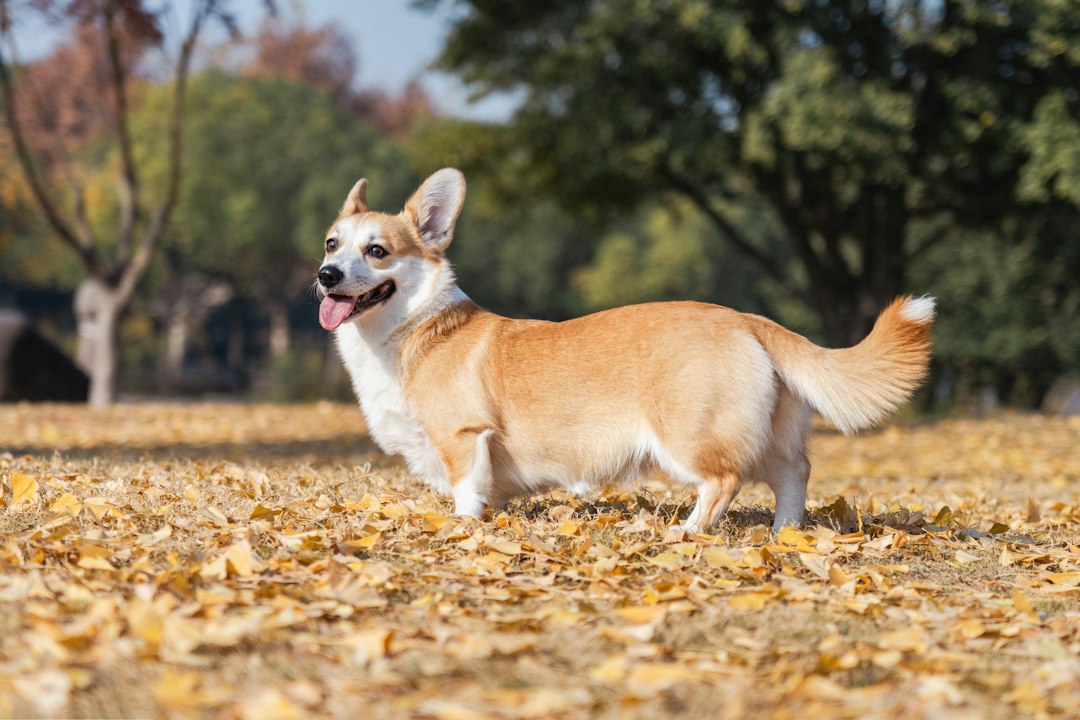
A corgi pitbull mix is a medium sized dog with short corgi legs, a strong pit bull body and a big personality. It is playful, loyal and smart, but it needs steady training and plenty of exercise. Because the cross is unpredictable, no two puppies look or act exactly alike.
This guide covers size, temperament, health, grooming, food, real costs and housing rules. It also includes a parent breed comparison and a puppy weight estimator, which most guides skip.
Key Takeaways
- This is not a recognized breed. Each puppy can lean more corgi or more pit bull.
- Adults usually stand 12 to 19 inches tall and weigh 25 to 50 pounds.
- Expect 12 to 15 years of life and about 45 to 60 minutes of exercise a day.
- Watch the back, hips and weight. Short legs and a long body raise spine risk.
- Puppies often cost $500 to $1,500, and shelters often charge far less.
- Check housing rules and insurance before you commit, since some places restrict pit bull type dogs.
What Is a Corgi Pitbull Mix?
A corgi pitbull mix, also called a Corgi Pit or Pitbull Corgi, is a cross between a corgi and a pit bull type dog. The corgi is usually a Pembroke Welsh Corgi, though a Cardigan Welsh Corgi is also possible. The pit bull side is usually an American Pit Bull Terrier or a similar dog.
Many of these dogs come from accidental litters and end up in shelters, so you will often find them through rescue. No breed club sets a standard for the cross, which means size, coat and temperament can vary a lot from one dog to the next.
KEY FACT
A mixed dog is not a 50 50 blend. A puppy can carry more genes from one parent and many are second or third generation mixes. A DNA test shows what a particular dog is made of.
Corgi Pit Quick Facts
| Trait | What to expect |
|---|---|
| Height | 12 to 19 inches |
| Weight | 25 to 50 pounds |
| Lifespan | 12 to 15 years |
| Coat | Short to medium, smooth or slightly dense |
| Colors | Fawn, red, brindle, black, white, tricolor and mixes |
| Energy | Moderate to high |
| Shedding | Moderate, heavier in spring and fall |
| Trainability | Smart, with a stubborn streak |
| Good with kids | Often yes, with early socialization and supervision |
| Apartment life | Possible with daily exercise |
Parent Breeds Compared
Looking at the parents helps you predict what your dog may inherit. Here is a side by side view.
| Trait | Pembroke Welsh Corgi | American Pit Bull Terrier |
|---|---|---|
| Height | 10 to 12 inches | 17 to 21 inches |
| Weight | 25 to 30 pounds | 30 to 65 pounds |
| Lifespan | 12 to 13 years | 12 to 16 years |
| Coat | Double coat, sheds a lot | Short single coat, light shedding |
| Energy | High, a herding dog | High, athletic and strong |
| Main health risks | Back disease, hips, eyes, obesity | Skin allergies, hips, heart, thyroid |
| What it may pass on | Short legs, herding nips, loud bark | Strong body, drive, people loving nature |

Size and Appearance
There are three common looks. Some puppies have short corgi legs with a pit bull head and chest. Others are taller and leaner, closer to a pit bull with a corgi face and ears. Many land in the middle.
- Ears: upright like a corgi, folded or rose shaped like a pit bull.
- Tail: long, curved or a short natural bobtail from the corgi side.
- Coat: short and sleek, or a thicker double coat.
- Build: muscular, with a deep chest and sturdy frame.
Corgi Pit Adult Weight Estimator
Enter your puppy’s weight and age. The tool uses a common puppy growth rule to estimate adult weight.
This is only an estimate. A DNA test and your vet’s growth checks give a better picture.
Temperament and Personality
Most corgi pit mixes are affectionate and eager to be near their people. They are clever, playful and often funny. They can also be strong willed, so training works best when it is calm and consistent.
- Loyal and people focused: they like being part of the family.
- Energetic: they need daily play and walks.
- Stubborn streak: they test rules, especially as teens.
- Herding nips: corgi genes can lead to nipping at heels.
- Prey drive: some chase small animals, so use a leash and a secure yard.
- Dislike of long alone time: they may bark or chew when bored.
Aggression is not a trait of the cross. It comes from a mix of genes, early experiences, training and care. Early socialization is the best way to raise a calm, friendly adult.

Training and Socialization
- Start socialization at 8 weeks. Meet new people, sounds, surfaces and calm dogs in a safe way before about 14 to 16 weeks.
- Use reward based training with treats, praise and short sessions of 5 to 10 minutes.
- Teach the basics first: sit, down, come, leave it and loose leash walking.
- Redirect heel nipping to a toy and reward calm behavior.
- Teach alone time slowly with a crate or a quiet bed.
- Join a puppy class for practice around other dogs.
OWNER TIP
Use a harness for walks. A strong pit bull chest with short corgi legs pulls hard, and a harness protects the neck.
Exercise Needs
Aim for 45 to 60 minutes of activity a day, split into two or three sessions. Add mental work with puzzle feeders, scent games and training. Some guides give very different numbers, but this range suits most healthy adults.
- Brisk walks and sniff walks
- Fetch on flat ground, not endless jumping
- Swimming, which is easy on the spine
- Nose work and food puzzles on rainy days
Protect the back by avoiding high jumps and repeated stair climbing, especially for puppies and dogs with long bodies.
Grooming and Shedding
| Task | How often |
|---|---|
| Brushing | Once a week, daily in spring and fall |
| Bath | Every 6 to 8 weeks, or when dirty |
| Nail trim | Every 3 to 4 weeks |
| Teeth brushing | Daily, or at least 3 times a week |
| Ear check | Weekly |
Too many baths can dry the skin, which already tends to be sensitive in pit bull types. Use a gentle dog shampoo.
Common Health Problems and Screening
| Problem | Comes from | What to do |
|---|---|---|
| Hip dysplasia | Both parents | Ask for OFA hip results on the parents and keep your dog lean |
| Back disease (IVDD) | Corgi | Avoid jumping and stairs, and keep weight down |
| Degenerative myelopathy | Corgi | Choose parents with a clear DNA test |
| Skin allergies | Pit bull | See your vet for diet and flea control |
| Eye problems | Both | Get yearly eye checks |
| Heart disease | Pit bull | Ask the vet to listen to the heart at checkups |
| Obesity | Both | Measure meals and limit treats |
| Von Willebrand disease | Corgi | Request a DNA test before breeding or buying |
CHECK FIRST
Pick a breeder or rescue that can show health tests for both parents. Ask about back problems in the family. A cheap puppy with no health history can cost much more later.
Feeding and Calories
Corgi mixes gain weight easily, and extra weight strains the back. Feed a complete and balanced food for their life stage and measure every meal. Here are rough daily calories for a neutered, moderately active adult.
| Adult weight | Daily calories (about) |
|---|---|
| 25 pounds | 700 kcal |
| 35 pounds | 900 kcal |
| 50 pounds | 1,150 kcal |
Puppies eat 3 to 4 small meals a day, and adults eat twice a day. Use these numbers as a starting point, then adjust with your vet if your dog is gaining or losing weight.

Pitbull Corgi Mix Price and Yearly Costs
Costs vary by location and by dog. These are rough US estimates to help you plan.
| Cost | Estimate |
|---|---|
| Puppy from a breeder | $500 to $1,500 |
| Shelter or rescue adoption fee | $50 to $400 |
| First year setup (vaccines, spay or neuter, microchip, crate, supplies) | $600 to $1,500 |
| Food per year | $400 to $800 |
| Routine vet care per year | $300 to $600 |
| Training class | $100 to $300 per course |
| Pet insurance per year | $300 to $700, depending on the policy |
Adoption, Breeders and DNA Tests
- Check shelters first. Many corgi pit mixes need homes, and adoption fees are low.
- Ask for health tests if you buy from a breeder: hips, eyes, and DNA tests for degenerative myelopathy and von Willebrand disease.
- Meet the parents and see where the puppies live.
- Avoid sellers who will not show records or let you visit.
- Consider a DNA kit to learn your dog’s parent breeds and health risks.
Housing Rules and Insurance
Some cities, landlords and insurance companies restrict pit bull type dogs, and a corgi pit may be treated the same way if it looks like one. Read your lease, check local laws and ask your insurer before you adopt. A DNA result may help in some cases, but rules differ by place.
Is a Corgi Pit Right for You?
Good fit if you
- Want an active, funny, people loving dog
- Can give daily exercise and training
- Are home often or can arrange care
- Can keep a close eye on weight and back health
Not the best fit if you
- Prefer a quiet, low energy pet
- Live where pit bull type dogs are restricted
- Cannot commit to training and socialization
- Want a dog with a predictable size and coat

Helpful Resources
- AKC: Pembroke Welsh Corgi breed information
- UKC: American Pit Bull Terrier breed standard
- Orthopedic Foundation for Animals (OFA)
- Petfinder: adopt a dog
Related Guides
Compare Other Mixes
Still deciding? Compare this mix with our boxer mix with pit guide, or see how another large mix looks in our chow shepherd cross guide.
Corgi Pit Mix FAQs
Do corgi pit mixes shed?
Yes. Most shed a moderate amount all year, with heavier shedding in spring and fall if they inherit the corgi double coat. Weekly brushing keeps it under control. They are not hypoallergenic.
How big does a corgi pit mix get?
Most adults stand 12 to 19 inches tall and weigh 25 to 50 pounds. Size depends on which parent they take after, so a puppy weight estimate is only a guide.
Are corgi pit mixes good family dogs?
Many are loving, playful and loyal with their families. They need early socialization, steady training and supervision around small children, as with any dog.
Are corgi pit mixes aggressive?
Not by nature. Behavior depends on genetics, socialization, training and care for each individual dog. Some have a strong prey drive and may be choosy with other dogs, so early socialization matters.
How long do corgi pit mixes live?
Most live 12 to 15 years with good food, exercise and regular vet care. Keeping them lean also protects the back and joints.
Do they bark a lot?
They can be vocal. Corgi genes add alert barking, and boredom makes it worse. Daily exercise, mental games and basic training reduce it.
Can a corgi pit mix live in an apartment?
Yes, if they get 45 to 60 minutes of daily exercise and enough mental work. Stairs are hard on the corgi back, so carry puppies and use ramps where you can.
Is a corgi pitbull mix the same as a pitbull corgi mix?
Yes. Both names describe a cross between a corgi and a pit bull type dog. You may also hear Corgi Pit or Pitbull Corgi.
Final Thoughts
A corgi pitbull mix can be a loyal, playful and funny companion for an owner who gives daily exercise, steady training and careful back and weight care. Check health tests or adopt from a rescue, confirm housing and insurance rules, and meet the dog before you decide.