Can Dogs Eat Bones? Safe, Unsafe, and What to Do

Can dogs eat bones? Dogs can chew some bones, but no bone is risk free. Cooked bones are never safe because they dry out and splinter into sharp pieces. Raw bones are softer, yet they can still cause choking, cracked teeth, or a blockage in the gut. Many vets, including those at PetMD and Purina, suggest skipping bones altogether and choosing a safer chew.
This guide shows which bones carry the lowest risk, which to avoid, and what to do step by step if your dog already swallowed one. If you are standing in the kitchen right now with a dog and a chicken bone, jump straight to the section on what to do.
Key Takeaways
- Never give cooked bones. They splinter.
- Raw bones are softer but still risky, so always supervise.
- Avoid small bones, rib bones, and chicken, turkey, or rabbit bones.
- Pick a bone larger than your dog’s mouth and take it away when it wears down.
- Call your vet if your dog swallowed a cooked bone or shows any signs of distress.
Can Dogs Eat Bones?
It depends on the type of bone and how it was prepared. Dogs love to chew, and chewing feels rewarding to them. The trouble is that bones can hurt your dog in several ways, so most vets lean toward safer chews. This table gives the quick answer for each type.
| Bone Type | Safe? | Why |
|---|---|---|
| Cooked bones (any) | No | Cooking weakens bone so it splinters |
| Cooked chicken bones | No | Hollow, splinter easily, and can cut the gut |
| Rib bones | No | Splinter easily |
| Small raw bones, chicken or rabbit | Avoid | Choking and swallowing whole |
| Large raw beef, lamb, or venison bones | Lower risk | Softer and less likely to splinter, but supervise |
| Processed bone treats | Avoid | Choking and unknown additives |
Paws and Facts Tip: Ask your vet before giving any bone. Dogs with dental problems, a past blockage, or a sensitive gut should skip bones completely.
Can Dogs Eat Cooked Bones?
No. Heat makes bone brittle, so it breaks into sharp shards instead of crushing down. Those shards can cut the mouth, throat, stomach, or intestines. Cooked chicken and fish bones splinter the most. Leftover turkey, rib, and steak bones belong in a sealed bin outside, well out of your dog’s reach.
Can Dogs Eat Raw Bones?
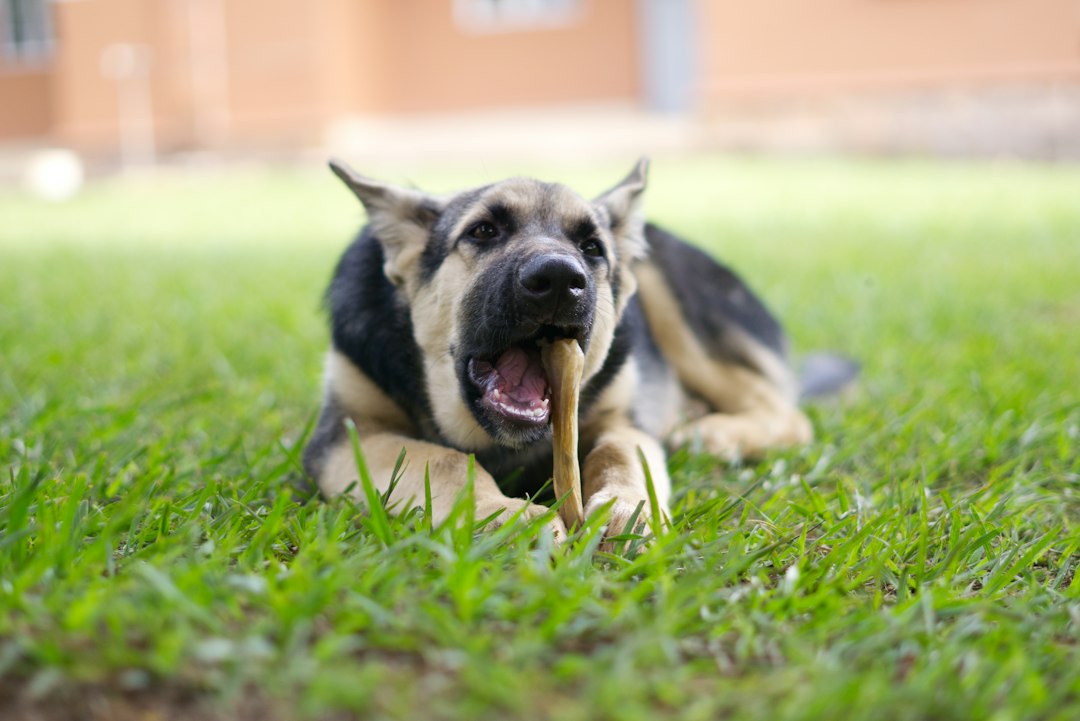
Raw bones are softer than cooked bones and less likely to splinter. Beef, lamb, and venison bones are the ones most often named as lower risk. Lower risk is not the same as safe, though, and Purina and PetMD both advise against feeding bones at all.
Why Are Bones Bad for Dogs?
- Choking: a dog may bite off a chunk and swallow it whole. Round bones can also get stuck around the lower jaw.
- Splinters: sharp pieces can injure the mouth, throat, stomach, and bowel.
- Blockage: large pieces can get stuck in the stomach or intestines and need surgery.
- Broken teeth: very hard bones can crack or chip teeth.
- Bacteria: raw meat can carry Salmonella and other germs that also affect people in your home.
- Constipation: too much bone can make stool dry and hard to pass.
- Guarding: some dogs get protective, which can lead to fights with other pets.
Are There Any Benefits to Bones?
Bones are not all bad news. Chewing can scrape away some plaque and tartar, keep a bored dog busy, and increase saliva flow. Raw meaty bones also hold protein, calcium, and collagen. Still, a complete and balanced dog food already covers those needs, and the benefits do not outweigh the risks for most dogs. Safer chews give you the same boredom and dental perks.
How to Give a Bone More Safely
If you and your vet decide a bone is right for your dog, these steps lower the risk.
- Choose the right size: larger than your dog’s muzzle so it cannot be swallowed whole.
- Buy fresh and raw: get whole bones from a trusted butcher and skip smoked or processed ones.
- Supervise the whole time. Never leave your dog alone with a bone.
- Take it away when it becomes small or starts to splinter.
- Limit the time to short sessions in a quiet space away from other pets.
- Store and discard safely: keep raw bones in the fridge or freezer, wash your hands and surfaces after, and throw old bones in a bin your dog cannot open.
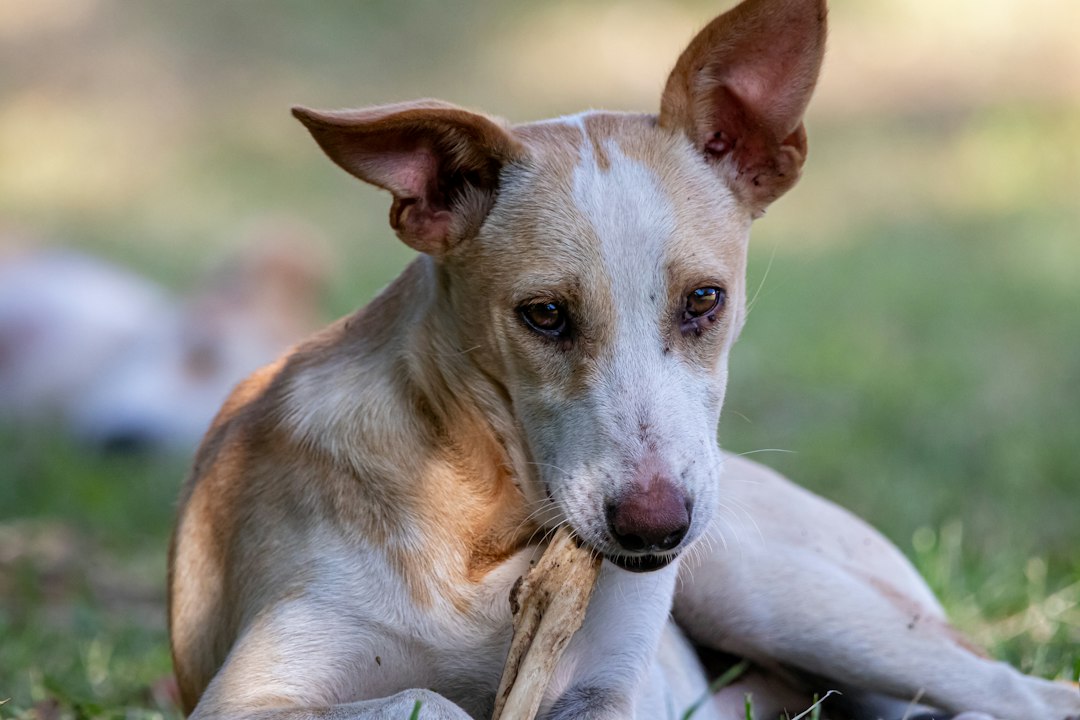
Chicken, Pork, Rib, and Turkey Bones
These are the four bones dog owners ask about most. The short answer for all of them is no.
Can dogs eat chicken bones? No. They are small, hollow, and splinter easily, especially when cooked.
Can dogs eat pork bones? No. Cooked or raw, they splinter and can crack teeth.
Can dogs eat rib bones? No. Rib bones are thin and snap into sharp pieces.
Can dogs eat turkey bones? No. Like chicken, turkey bones are light and splintery, and holiday leftovers are a common cause of emergency visits.
| Type | Main Risk | Advice |
|---|---|---|
| Chicken and turkey bones | Splinter and puncture the gut | Avoid, raw or cooked |
| Pork bones and ribs | Splinter easily | Avoid |
| Fish bones | Thin and sharp | Avoid |
| Beef knuckle or large raw bones | Broken teeth, blockage, fat | Only with vet advice, supervised |
| Marrow bones | Very rich fat, can upset the stomach | Use with care, short sessions |
| Antlers and hooves | Very hard, can crack teeth | Many vets advise avoiding |
| Rawhide | Choking and blockage when swallowed in pieces | Use with caution, supervise |
Bone Safety by Dog Size and Age
| Dog | What to Know |
|---|---|
| Small breeds | Small jaws and teeth. Bones are easy to swallow whole, so most are a poor fit. |
| Medium breeds | Need a bone larger than the muzzle. Remove it once it wears down. |
| Large breeds | Strong jaws can crack hard bones, so tooth injuries are a risk. |
| Puppies | Small stomachs and growing teeth. Ask your vet for a puppy safe chew. |
| Senior dogs | Worn or weak teeth break more easily. Softer chews are safer. |
| Fast eaters | Tend to gulp pieces. Avoid bones or use only a very large one with supervision. |
When Dogs Should Not Chew Bones
- Dogs with past stomach or bowel blockages.
- Dogs with broken, weak, or painful teeth or other dental problems.
- Dogs that gulp food or try to swallow chews whole.
- Dogs with digestive problems or a history of pancreatitis.
- Puppies, pregnant dogs, and dogs with health conditions, unless your vet agrees.
- Homes with several dogs that guard food.

What to Do If Your Dog Ate Chicken Bones
Many dogs pass a small piece without trouble, but you cannot know that for sure at home. Stay calm and act in this order.
- Remove any bone left and take the rest of the food away.
- Do not scold your dog. Scolding can make a dog swallow the bone faster.
- Call your vet and describe the bone, how much, and your dog’s size.
- Go to a clinic right away if your dog is a puppy, is choking, or shows any warning signs.
- Do not make your dog vomit unless your vet tells you to. A sharp bone can cause more harm on the way back up.
- Watch closely for several days if your vet says home monitoring is fine.
Some vets suggest soft food or plain white bread to cushion sharp edges. Only do this if your vet agrees.
Warning Signs After a Dog Swallows a Bone
| Sign | What It May Mean |
|---|---|
| Gagging, retching, coughing | Bone stuck in mouth or throat |
| Drooling or lip licking | Pain or nausea |
| Vomiting, with or without blood | Irritation or blockage |
| Diarrhea or straining to poop | Bone fragments in the gut |
| Swollen, painful belly | Possible blockage or injury |
| Tiredness or no appetite | Your dog is unwell |
Signs can show within hours or take days. Your vet may check your dog, take an xray, and in serious cases remove the bone or operate. The earlier you call, the more options your vet has.
| Situation | What to Do |
|---|---|
| Ate a cooked chicken bone from the trash | Call your vet now and describe the amount and your dog’s size. |
| Ate a cooked rib or steak bone | Call your vet. These bones can splinter or block the gut. |
| Swallowed a large piece of raw bone | Call your vet and watch closely for signs of a blockage. |
| Is gagging or pawing at the mouth | Check the mouth gently. Go to a clinic if you cannot see or remove it. |
| Puppy ate any bone | Call your vet right away. |
| Seems fine but ate a bone hours ago | Still call your vet. Signs can appear later. |
How Vets Treat a Swallowed Bone
- Exam: check the mouth, belly, heart rate, and hydration.
- Xray: find the bone pieces and see if the gut is blocked.
- Monitoring: small pieces may pass on their own with close watching.
- Removal: a bone stuck in the mouth or throat is taken out under sedation.
- Surgery: needed if a blockage or hole in the gut is found.
Waiting for severe signs can make treatment harder and more costly, so an early call is always worth it.
Marrow, Bone Broth, and Bone Meal
Marrow: the inside of a bone is very rich in fat. A lot of it can cause diarrhea, vomiting, or a painful inflamed pancreas called pancreatitis. Dogs that have had pancreatitis should not have marrow bones.
Bone broth: plain broth made without onion, garlic, salt, or spices can be a gentle topper. Strain out every piece of bone before you serve it.
Bone meal: this is a powdered, processed ingredient used in some foods and supplements. It is not the same as handing your dog a whole bone. Follow the label and ask your vet before adding any supplement.

Safer Alternatives to Bones
Your dog can still enjoy a good chew without the risk. Match the size to your dog and always supervise.
- Dental chews with the Veterinary Oral Health Council (VOHC) seal, sized for your dog.
- Bully sticks and beef tendons large enough that they cannot be swallowed whole.
- Rubber chew toys that you can fill with food.
- Frozen safe veggies such as plain carrot sticks for a cool chew.
Even these chews can break into pieces, so take any chew away once it gets small.
How to Prevent Bone Accidents
- Secure the trash: use a lidded or locked bin, and take bone scraps outside right away.
- Watch holiday meals: turkey, ham, and rib bones are a common cause of emergencies.
- Clear the counters: do not leave cooked food where your dog can reach it.
- Tell guests not to feed table scraps.
- Walk with care: keep your dog from picking up bones in the park or yard.
- Teach “drop it”: practice with a toy, swap it for a treat, and repeat. Stay calm and never chase, so your dog does not gulp the item.
Dog Bones FAQs
Can dogs eat chicken bones?
No. Chicken bones are small and splinter easily, especially when cooked. Call your vet if your dog swallowed one.
Can dogs eat cooked bones?
No. Cooked bones are brittle and can splinter into sharp pieces that injure the gut.
Are raw bones safe for dogs?
They are lower risk than cooked bones, but not safe for every dog. Choking, blockages, broken teeth, and bacteria are still possible.
How long after eating a bone will a dog show signs?
Signs can appear within hours, or take a few days. Watch for vomiting, drooling, diarrhea, belly pain, and loss of appetite.
Can puppies chew bones?
It is best to avoid bones for puppies. Their teeth and stomachs are small. Ask your vet for a puppy safe chew.
Should I make my dog vomit after a bone?
Not unless your vet says so. A sharp bone can damage the throat on the way back up.
Questions to Ask Your Vet About Bones
- Is a bone or chew safe for my dog’s size, age, and teeth?
- Which chews do you recommend instead of bones?
- Is my dog at higher risk of a blockage or pancreatitis?
- How long should a chew session last?
- What signs mean I should come in right away?
Helpful Resources
Related Guides
- Are Dogs Omnivores? What Science Says About Dog Diet
- Can Dogs Eat Papaya? Safe Amounts, Seeds, Risks
- Can Dogs Eat Aubergines? Eggplant Safety Guide
- Can Dogs Eat Guava? Safe Amounts, Seeds, and Risks
- Dog ate chicken bones? What to do now
- Can dogs have shrimp?
Final Thoughts
So, can dogs eat bones? Never give cooked bones, treat raw bones as a risk that needs supervision, and choose safer chews when you can. If your dog swallowed a bone, call your vet and watch for vomiting, drooling, or belly pain. When in doubt, a quick call to your vet is the safest step. Browse more dog food guides for safe and unsafe foods.