
Exotic Pet Laws by State and Reptile Care Guide

Thinking about a bearded dragon, a ball python or a sugar glider? Before you buy, you need to know the exotic pet laws by state, because an animal that is legal in one state can be banned in the next. This guide gives you a plain care summary for five popular reptiles and a 50 state legality table built from official sources wherever we could find them.
By the Paws and Facts Editorial Team. Laws checked in November 2026. This is general information, not legal advice. Where we give our own opinion, we label it “Our advice”.
Key Takeaways
- Federal law covers imports, some large snakes and small turtle sales. States and cities decide most of what you may keep.
- Beginner reptiles such as bearded dragons, leopard geckos, corn snakes and ball pythons are allowed in many states, but not in Hawaii.
- Venomous reptiles and crocodilians face the tightest rules in almost every state.
- We could not verify every state. Those cells say Not verified instead of a guess. Silence in a rule is not the same as permission.
- Reptiles can carry Salmonella. The CDC does not recommend them in homes with children under 5.
- Care sheets disagree on numbers like temperature and UVB. Confirm your setup with a reptile vet.
Quick answer: how to use this guide
Find your state in the tables below, open the official source in our Sources list, and confirm with your state wildlife agency before you buy. Then use the care tables to plan the enclosure.Exotic Pet Laws by State: How the Rules Work
Three layers of rules apply to every reptile or exotic mammal. You must follow all three, and the strictest one wins.
| Level | What it covers | Example |
|---|---|---|
| Federal | Imports, some large snakes, small turtle sales, endangered species | Lacey Act injurious snake list, FDA rule on turtles under 4 inches |
| State | What you may own, permits, banned lists | Hawaii bans all snakes, Florida bans several large pythons |
| Local | City, county and rental rules | New York City bans all boas and pythons |
Large snakes and the Lacey Act. The US Fish and Wildlife Service lists these snakes as injurious: Burmese and Indian pythons, northern and southern African pythons, yellow anaconda, reticulated python, DeSchauensee anaconda, green anaconda and Beni anaconda. Importing them is banned. Owning them is not banned by federal law, so your state decides. A 2017 court ruling (USARK v. Zinke, D.C. Circuit) said the shipment ban covers moves between listed places such as Hawaii and the mainland, not moves between the 49 continental states.
A state ban can still follow you. Federal law also makes it a violation to transport wildlife that was taken or possessed against state law. So check the rules in the state you leave and the state you enter.
Small turtles. An FDA rule (21 CFR 1240.62) bars selling or distributing live turtles with a shell under 4 inches, with exceptions for science, education and export. The CDC says the rule has been in place since 1975 and estimates it prevents about 100,000 Salmonella infections in children each year.
Endangered and traded species. CITES is an agreement among governments to protect wild animals in international trade. Some pet reptiles are covered, and the US Fish and Wildlife Service issues pet permits for international travel.
Source conflict
A 2015 FWS press release described interstate transport of the listed snakes as prohibited. The later court ruling and newer FWS pages narrow that. We follow the newer position. Our advice: still ask the wildlife agency before moving a large snake across any state line.A 5 Step Legality Check Before You Buy

- Species first. Check the exact species, not just “snake” or “lizard”.
- Local rules. City, county and landlord rules can be stricter than the state.
- Federal rules. Check the injurious snake list and the small turtle rule.
- Source. Ask for proof of captive bred origin. Some wild caught animals are taken illegally, according to the AVMA.
- Date it. Save the official page and the date you checked. Rules change.
State by State Reptile Legality Table
How to read this table: “Not verified” means we could not confirm the rule from a source we opened. It does not mean legal or illegal. Some rows rely on text copies of official rules (Cornell, Justia and animallaw.info) and are flagged in our Sources list. Always confirm with the state agency.
| State | Common pet reptiles | Venomous reptiles | Large constrictors, crocodilians |
|---|---|---|---|
| Alabama | Not listed as banned in rules checked. Tegus banned. | Banned (hognose snakes excepted). | Tegus banned. Federal injurious snakes banned. Others: Not verified. |
| Alaska | Any nonvenomous reptile allowed, no permit. | Not allowed (not on approved list). | Allowed per state list. Endangered species need a federal permit. |
| Arizona | Not restricted unless named. Desert tortoise: 1 per person, 4 per household. | Special license needed. | Crocodilians restricted. Pythons, boas, anacondas not on restricted list. |
| Arkansas | Leopard geckos, bearded dragons, ball pythons on unrestricted list. | Permit required, locked escape proof housing. | Boas and tegus unrestricted. Reticulated python, anaconda: Not verified. |
| California | Ball pythons, boas, geckos, bearded dragons not on restricted list. Local rules may apply. | Restricted, unlawful without permit. | Crocodilians restricted. Pythons and boas not listed. |
| Colorado | Tropical reptiles on Appendix A need no license. 2026 rule changes not fully verified. | Banned as pets. | Boas, pythons, tegus on 2026 draft Appendix A. Final text: Not verified. |
| Connecticut | Common pet reptiles not named in restricted categories. | Limited to zoos, museums, labs and similar. | Crocodilians, reticulated, African and amethystine pythons, anacondas restricted. |
| Delaware | Bearded dragons, geckos, skinks exempt. Snakes and turtles need an exotic permit. | Banned, no permit issued. | Snakes need a permit. Iguanas and tegus exempt. |
| Florida | No permit for personal use of nonvenomous, unprotected reptiles. Check prohibited list. | Permit, experience and inspection required. | Burmese, reticulated, African, amethystine, scrub pythons, green anaconda, Nile monitor prohibited. Green iguanas and tegus may be kept by pet owners. |
| Georgia | Only six reptiles need a license. Common pets not listed. | License plus liability insurance. | Burmese and Indian pythons, Nile monitor, Argentine tegu: license, science or exhibition only. Crocodilians inherently dangerous. |
| Hawaii | No. Snakes, bearded dragons, geckos prohibited for private owners. | All snakes and Gila monster prohibited. | All snakes banned. Alligators prohibited. |
| Idaho | Not verified. No reptiles on the state exotic list. | Not verified | Not verified |
| Illinois | No permit shown for nonnative common reptiles. Per species: Not verified. | Special use permit holders only. | Boas, pythons, anacondas allowed if lawfully acquired. Crocodilians and crocodile monitors need a special permit. |
| Indiana | Nonvenomous reptiles not named in permit classes. | Class III permit. Sale prohibited. | Crocodilians 5 feet or longer need a permit. |
| Iowa | Not on the dangerous animal list. | Banned unless owned July 1, 2007 and registered. | Crocodilians, reticulated pythons, anacondas, African rock pythons, water and crocodile monitors banned. |
| Kansas | Allowed if legally obtained, no permit named. | Nonnative venomous snakes regulated as dangerous animals. Details: Not verified. | Not verified |
| Kentucky | Not named as prohibited. | Prohibited (exotic venomous snakes, Gila monsters). | Crocodilians and alligator snapping turtle prohibited. |
| Louisiana | Not verified | Permit required. | Constrictors over 8 feet need a permit. |
| Maine | Not verified. Absent from permit lists. | Private pet keeping not allowed. | Crocodilians, anacondas, reticulated and African rock pythons restricted. Iguanas and monitors need a permit. |
| Maryland | No permit for nonnative reptiles per state agency. | Not verified | Not verified |
| Massachusetts | Mostly legal without permit. Red eared slider needs a permit. | All venomous snakes need a permit. | Reticulated and African rock pythons, anacondas need a permit. Other boas exempt. |
| Michigan | Not verified | Not verified | Not verified |
| Minnesota | No state permit rule found. Not verified. | Not verified | Not verified |
| Mississippi | Not verified | Cages must be labeled DANGER. No ban seen. | Not verified |
| Missouri | Nonnative reptiles need no permit. | Native venomous snakes need a Class II permit. Nonnative: Not verified. | Not verified |
| Montana | Many nonvenomous reptiles allowed. Red eared slider prohibited. | Prohibited (except Montana natives). | Burmese, Indian, reticulated, African rock, amethystine pythons, green anaconda, crocodilians prohibited. |
| Nebraska | Not verified | Not verified | Not verified |
| Nevada | Nonvenomous nonnative reptiles need no permit. Snapping turtles prohibited. | Prohibited. | Crocodilians prohibited. Pythons and boas not listed. |
| New Hampshire | Most exotic reptiles noncontrolled, no permit. | Controlled, permit needed. | Alligators and crocodiles controlled. |
| New Jersey | Permit unless exempt. Iguana and boa constrictor exempt. Pythons and most geckos need a permit. | Not permitted for pet or hobby keeping. | Crocodilians: no pet permit. Pythons need a permit. |
| New Mexico | Group I, no import permit (2010 list; rule covers import, not possession). | Group IV, prohibited for the public. | Crocodilians Group IV. Others: Not verified. |
| New York | Common pet reptiles not listed. NYC is stricter. | License needed and barred as pets. | Large pythons, anacondas, some monitors, crocodilians restricted. NYC bans all boas and pythons. |
| North Carolina | No state permit found. | Legal with locked, labeled enclosure and bite plan. | Reticulated, Burmese, African rock, amethystine pythons and green anaconda need locked, labeled enclosure and escape plan. |
| North Dakota | Not verified | License plus housing rules. | Not verified |
| Ohio | Not on restricted lists. | Restricted snake permit. | Anacondas and listed pythons 12 feet or longer need a permit. New crocodilian possession banned since 2014. |
| Oklahoma | Nonnative reptiles exempt from import permits unless harmful to wildlife. | Not verified | American alligator needs a permit. |
| Oregon | Bearded dragon, leopard gecko, ball python, corn snake not prohibited. Pond sliders and snapping turtles prohibited. | Prohibited for listed species. | Pythons and boas noncontrolled. Crocodilians controlled. |
| Pennsylvania | No state permit for nonnative reptiles. Local rules may apply. | No state rule on nonnative venomous snakes, but not recommended. | No state rule found. |
| Rhode Island | Most exempt. Unlisted species need a permit. | Permit needed. | Permit for reticulated python, African rock python, anacondas, emerald tree boa, green tree python. |
| South Carolina | No state permit found. | Not verified | American alligator needs a permit. Others: Not verified. |
| South Dakota | Not verified | Not verified | Not verified |
| Tennessee | Nonvenomous reptiles Class III per statute text. Permit rule: Not verified. | Class I, no personal possession (grandfather exceptions). | Crocodiles and alligators Class I. |
| Texas | Not verified for common pets. | Controlled exotic snake permit for nonnative venomous snakes. | Same permit for African and Asiatic rock pythons, green anaconda, reticulated python. |
| Utah | Red eared slider and snapping turtle need no permit. Others: Not verified. | Nonnative venomous prohibited. | All crocodilians prohibited. |
| Vermont | Geckos, boas, pythons, colubrids unrestricted, with exceptions. | Restricted, permit needed. | Permit for anacondas, Burmese, reticulated, African rock pythons. |
| Virginia | Not on the restricted list. | Not verified | Special permit for crocodilians and brown tree snake. |
| Washington | Not verified | New owners banned. | Crocodilians and water and crocodile monitors banned for new owners. |
| West Virginia | Not verified | Possession barred unless permitted. | Law may list constrictors over 6 feet. Board list: Not verified. |
| Wisconsin | Most nonnative species need no license. Pet reptiles: Not verified. | Not verified | Not verified |
| Wyoming | All reptiles allowed without permit. | Not separately restricted. | Not verified |
Laws can change at any time, and several state pages we read were undated. Treat this table as a starting point, not a final answer.
Sugar Glider, Hedgehog and Ferret Rules by State
Small exotic mammals follow different rules from reptiles. Hedgehog rules often name only the African pygmy (four toed) type. Where a state page and the rule text disagreed, we say so in the cell.
| State | Sugar glider | Hedgehog | Ferret |
|---|---|---|---|
| Alabama | Not verified | Not verified | Not verified |
| Alaska | Not allowed. | Legal (African pygmy). | Legal (European ferret). |
| Arizona | Not restricted. | African pygmy not restricted. European restricted. | Not verified |
| Arkansas | Legal. | Legal (African pygmy). | Legal. |
| California | Restricted, unlawful. | Restricted, unlawful. | Restricted, unlawful. |
| Colorado | Legal. | Legal (African pygmy). | Legal. |
| Connecticut | Not verified | Not verified | Not verified |
| Delaware | Permit exempt. | Permit exempt. | Permit exempt. |
| Florida | No permit for personal use. | No permit for personal use. | No permit for personal use. |
| Georgia | Legal with documentation of a USDA inspected source. | License required. | Legal if neutered before 7 months and rabies vaccinated. |
| Hawaii | Not verified | Not verified | Prohibited per state page (list text conflicts). |
| Idaho | Not on state list. | European hedgehog needs a permit. | Not on state list. |
| Illinois | Not verified | Not verified | Not verified |
| Indiana | Not verified | Not verified | Not verified |
| Iowa | Not restricted. | Not restricted. | Not restricted. |
| Kansas | Not verified | Not verified | Not verified |
| Kentucky | Not verified | Not verified | Not verified |
| Louisiana | Not verified | Not verified | Not verified |
| Maine | Not verified | Not verified | Unclear (all weasel family is restricted). |
| Maryland | Exempt from restricted mammal rule. | Exempt from restricted mammal rule. | Exempt (European ferret). |
| Massachusetts | Legal, no permit. | African pygmy (four toed) only. | Legal if spayed or neutered. |
| Michigan | Not verified | Not verified | Not verified |
| Minnesota | Not verified | Not verified | Not verified |
| Mississippi | Not verified | Not verified | Not verified |
| Missouri | Nonnative mammals exempt from permit, species not named. | Same. | Same. |
| Montana | Not verified | Not verified | Not verified |
| Nebraska | Listed as importable, no permit stated. | Not verified | Not verified |
| Nevada | Not verified | African pygmy exempt. | European ferret exempt. |
| New Hampshire | Legal, no permit. | African pygmy legal, no permit. | Legal, no permit. |
| New Jersey | Not verified | European hedgehog needs a permit. African pygmy: Not verified. | Permit required. |
| New Mexico | Group II (permit terms: Not verified). | Group I. | Group I. |
| New York | No state ban found. NYC bans. | No state ban found. NYC bans. | No state ban found. NYC bans. |
| North Carolina | Not verified | Not verified | Not verified |
| North Dakota | Exempt unless state vet decides otherwise. | Category 1, no license. | Sources conflict. |
| Ohio | Not verified | Not verified | Not verified |
| Oklahoma | Exempt (domesticated list). | Exempt (domesticated list). | Exempt (domesticated list). |
| Oregon | Noncontrolled. | Eurasian prohibited. African four toed noncontrolled. | Not verified |
| Pennsylvania | Not verified | Not verified | Not verified |
| Rhode Island | Exempt from exotic permit. | Four toed exempt. | Needs a ferret permit. |
| South Carolina | Not verified | Not verified | Sale needs rabies vaccination. Possession: Not verified. |
| South Dakota | Not verified | Not verified | Not verified |
| Tennessee | Class III per statute text. | Not verified | Class III per statute text. |
| Texas | Not verified | Not verified | Not verified |
| Utah | Not verified | Not verified | Not verified |
| Vermont | Unrestricted. | African pygmy unrestricted (US captive bred). | Domestic list, no permit. |
| Virginia | May be possessed. | May be possessed. | Allowed (domestic ferret). |
| Washington | Not verified | Not verified | Not verified |
| West Virginia | Not verified | Not verified | Not verified |
| Wisconsin | Not verified | Not verified | Not verified |
| Wyoming | Allowed, no permit. | Allowed, no permit. | Domestic ferrets allowed, no permit. |
Reptile Care Basics: Five Popular Species
The ranges below come from veterinary and institutional care sheets, mainly the Royal Veterinary College exotics factsheets, the RSPCA, VCA animal hospitals and the Merck Veterinary Manual. They often disagree, so we show the spread instead of one “right” number.
| Species | Adult size | Lifespan (sources differ) | Minimum enclosure | Warm spot | Humidity | UVB |
|---|---|---|---|---|---|---|
| Bearded dragon | 45 to 56 cm | 5 to 15 years | About 120 x 60 x 60 cm | 32 to 42 C basking | 20 to 40% | Needed |
| Leopard gecko | 12 to 25 cm | 10 to 20 years | About 60 x 40 x 30 cm (RSPCA) | About 28 to 32 C | 20 to 40%, plus a humid hide | Sources disagree |
| Crested gecko | 5 to 9 inches | 5 to 20 years | Tall, about 45 x 45 x 60 cm or 20 gallons | About 22 to 28 C (sources differ) | 50 to 80% | Recommended by most sources |
| Ball python | 4 to 5 feet | 15 to 35 years | At least 40 gallons or 40 x 32 x 24 inches | About 27 to 35 C (sources differ) | 40 to 80% | Sources disagree |
| Corn snake | 4 to 6 feet | 10 to 20 years or more | About 150 x 50 x 50 cm for a 150 cm snake | About 28 to 30 C | 30 to 70% | Sources disagree |
Our advice: pick one species, read two or three vet based sheets for it, and ask an exotics vet to review your enclosure plan before the animal comes home. Our tables show ranges, not a prescription.

Housing, Heat and Light
- Use a thermostat. The RSPCA says thermostats can be inaccurate, so check temperatures daily with a thermometer.
- Skip hot rocks. Merck and VCA both advise against them because of burn risk.
- Bearded dragons need UVB. RSPCA, RVC and VCA agree. VCA links poor UVB to metabolic bone disease and says no glass or plastic should sit between the lamp and the animal.
- Replace UVB lamps on schedule. VCA and PetMD say about every 6 months. Merck says 9 to 12 months for fluorescent tubes. Follow the maker and ask your vet.
- Offer fresh water daily in a bowl big enough to soak in (RVC, VCA, RSPCA).
- Do not feed on loose substrate. RVC warns about blockage from swallowed material.
SAFE TO DO
- Use paper towel, reptile carpet or tile type surfaces that are easy to clean (VCA, RVC)
- Keep a warm side and a cool side so the animal can choose
- Remove uneaten live insects after 30 minutes (RVC)
- Wash your hands after every contact
AVOID
- Cedar or pine shavings (VCA, PetMD)
- Walnut shell, corncob or calcium sand (blockage risk)
- Hot rocks
- Handling a newly bought animal in its first week (RSPCA)
Sources differ on sand for bearded dragons. The RSPCA allows reptile safe play sand, while VCA advises against sand and RVC warns about swallowing it. Our advice: choose a surface you can clean easily and ask your vet.
Feeding and Handling
- Bearded dragons eat both insects and plants. VCA suggests about half and half overall, with juveniles fed once or twice a day. Adult feeding advice ranges from once a day (RSPCA) to every 24 to 72 hours (VCA).
- Leopard geckos eat insects. The RSPCA suggests adults every other day, while VCA says 2 to 3 times a week. Gut load insects first.
- Snakes eat whole prey. PetMD says prey should be no wider than the middle of the snake. Merck does not advise live rodents.
- Handling: RSPCA advises no handling in the first week, supporting the whole body, and never gripping a gecko by the tail because it can drop and does not regrow.
Health Problems to Watch
- Metabolic bone disease: twitching muscles, swollen legs and fragile or deformed bones (RSPCA). Linked to poor UVB or diet.
- Impaction: blockage from swallowed substrate.
- Stuck shed: dry skin left on toes or eye caps can harm the animal. Retained eye caps in snakes can cause lasting eye damage (VCA).
- Respiratory infection in snakes: wheezing, bubbles from the nose or mouth, open mouth breathing (Aurora Animal Hospital).
- Mites in snakes: tiny black specks on the snake or near the water bowl (RSPCA).
If you see any of these signs, book a reptile vet. We do not give medicine advice. Reptiles often look normal until they are seriously ill.
Salmonella and Hygiene Rules
Reptiles often carry Salmonella in the gut while looking healthy. Infection can come from the animal, the tank water, food or equipment, so touching the animal is not the only risk. The CDC does not recommend reptiles in homes with children under 5, adults 65 and older, or people with weak immune systems.

- Use soap and running water after feeding, cleaning or handling. If there is none, use sanitizer with at least 60% alcohol, and supervise young children.
- Keep animals and gear out of kitchens and food areas. Use a separate container for pet food.
- Do not thaw feeder rodents in the kitchen sink or microwave.
- Pregnant women and the higher risk groups should not handle feeder rodents (CDC).
Captive Bred vs Wild Caught, and Finding an Exotics Vet
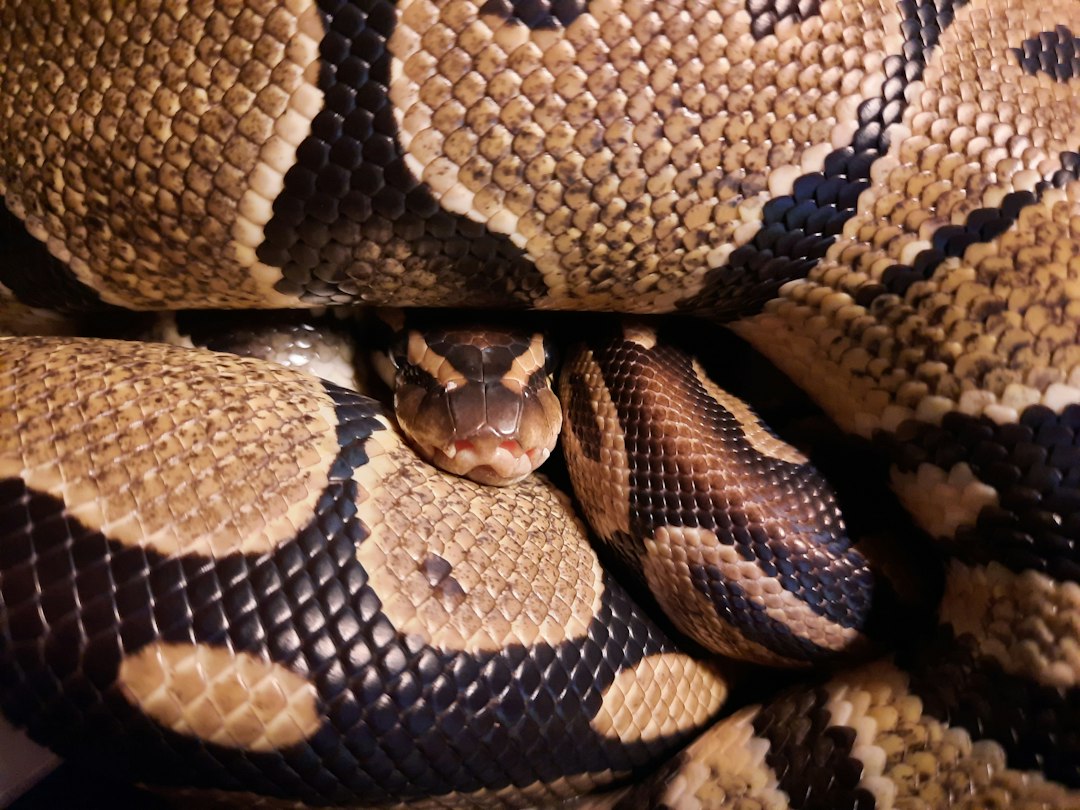
Merck says captive bred animals are usually the best pets because they bite less, eat more willingly and are less likely to carry parasites. The AVMA adds that captive bred reptiles are likely to be healthier and live longer, and that some wild caught animals are taken illegally.
For vet care, the AVMA suggests a first wellness exam with a fecal test and a vet with a special interest in reptiles. VCA advises booking soon after purchase and checking the health guarantee deadline, since some require an exam within 48 hours. The RVC recommends yearly checks and pet insurance.
Cost: we did not find a reliable dollar figure from a vet or institutional source, so we list none. The AVMA only says that housing and ongoing care often cost more than the animal itself.
Where Our Sources Disagree
| Topic | What we found |
|---|---|
| Bearded dragon basking temperature | 32 to 42 C across VCA, RVC and RSPCA |
| Bearded dragon humidity | RSPCA and RVC 30 to 40%, Merck 20 to 30% |
| Leopard gecko UVB | RSPCA suggests a low output tube, VCA calls it not required but recommended, Merck notes few lighting needs |
| Crested gecko humidity | RVC 50 to 70%, PetMD 70 to 80% |
| Ball python UVB | PetMD 8 to 12 hours daily, Aurora not required |
| Corn snake night temperature | RSPCA allows 16 to 20 C, RVC says not below about 24 C |
| Illinois snake rules | An older state article treated big constrictors as banned, the current Herptiles Act summary allows them. We use the current Act. |
| Massachusetts | The state guide says some snakes are “not allowed”, while 321 CMR 9.00 says they need a permit |
| Hawaii ferrets | A state page says prohibited, the list text we read did not show ferrets |
| North Dakota ferrets | The agency page and the rule text conflict |
| Colorado | A public page and a 2026 commission memo describe different reptile lists |
Frequently Asked Questions
Are reptiles legal pets in every state? No. Hawaii bans all snakes and several lizards for private owners, and many states restrict venomous reptiles, crocodilians and some large constrictors. Check the table and then your state agency.
Which reptile is easiest for a beginner? Bearded dragons, leopard geckos and corn snakes are commonly kept, and care sheets for them are easy to find. Our advice: choose by the space, heat and feeding routine you can really manage, and confirm it is legal where you live.
Do all reptiles need UVB lighting? Bearded dragons do. For leopard geckos, ball pythons and corn snakes, the sources we read disagree, from not required to recommended. Ask your reptile vet.
Is it safe to keep a reptile with a baby in the house? The CDC does not recommend reptiles in homes with children under 5, adults 65 and older, or people with weak immune systems.
Can I sell a baby turtle? Not if the shell is under 4 inches. An FDA rule bars selling or distributing those turtles, with exceptions for science, education and export.
Can I take my snake to another state? It depends. Federal rules mainly limit imports and moves between listed places such as Hawaii and the mainland, but state bans can still apply. Check both states before you travel.
Are sugar gliders legal? Rules vary. They are restricted in California and not allowed in Alaska, while several states list them as legal. See the table, and remember New York City bans them.
How often should a reptile see a vet? The AVMA suggests a first wellness exam with a fecal test, and the RVC recommends yearly checks. Book sooner if your animal stops eating or looks weak.
Final Thoughts
Exotic pet laws by state are a moving target, and the safest habit is to check the official agency page, save the date, and ask before you buy or move. Pick a species you can house properly, buy captive bred, wash your hands, and find an exotics vet early.
Photo note
The photos are stock images from Unsplash. The animals shown may not match the exact species or morph in the text next to them.Sources
Flags: “Official” means a government or court source. “Mirror” means a text copy of an official rule on Cornell, Justia or animallaw.info, so it may lag the official site. Pages without a named author or reviewer are marked. Where we give opinion, it is labeled Our advice.
- FWS after the USARK ruling (Official)
- FWS 2015 listing release (Official, older, partly superseded)
- Federal Register 2012 snake listing (Official, we read only part of it)
- USARK v. Zinke opinion (Court opinion on a mirror site)
- FDA small turtle rule (Official)
- CDC reptiles and amphibians (Official)
- CITES overview (Official)
- FWS pet permits (Official)
- RSPCA bearded dragon care (UK charity, no byline)
- RVC bearded dragon factsheet (UK vet school, no named author, reviewed December 2024)
- VCA bearded dragon feeding (Commercial hospital chain, named vet authors)
- Merck husbandry of reptiles (Reference, named author and reviewer)
- Merck selecting a reptile (Reference, named author)
- PetMD ball python care (Commercial publisher, vet authored)
- PetMD crested gecko care (Commercial publisher, vet authored)
- PetMD corn snake care (Commercial publisher, vet authored, no separate reviewer)
- Aurora Animal Hospital ball python sheet (Clinic sheet, no reviewer)
- Lafeber corn snake (Older page, about 2011 to 2012)
- AVMA page on selecting a reptile (institutional, no byline; we did not record the link)
State sources (one main page per state, flagged as above):
- Alabama rules (Official)
- Alaska rules (Official)
- Arizona rules (Mirror)
- Arkansas rules (Mirror)
- California rules (Mirror)
- Colorado rules (Official)
- Connecticut rules (Mirror)
- Delaware rules (Official)
- Florida rules (Official)
- Georgia rules (Official)
- Hawaii rules (Official)
- Idaho rules (Official)
- Illinois rules (Mirror)
- Indiana rules (Official)
- Iowa rules (Official)
- Kansas rules (Official)
- Kentucky rules (Official)
- Louisiana rules (Official)
- Maine rules (Official)
- Maryland rules (Official)
- Massachusetts rules (Official)
- Michigan rules (Official, low confidence)
- Minnesota rules (Official)
- Mississippi rules (Official)
- Missouri rules (Official)
- Montana rules (Official)
- Nebraska rules (Mirror, low confidence)
- Nevada rules (Official)
- New Hampshire rules (Mirror)
- New Jersey rules (Official, undated)
- New Mexico rules (Official, species list from 2010)
- New York rules (Official)
- North Carolina rules (Official)
- North Dakota rules (Official)
- Ohio rules (Official)
- Oklahoma rules (Mirror)
- Oregon rules (Mirror)
- Pennsylvania rules (Official)
- Rhode Island rules (Official)
- South Carolina rules (Official)
- South Dakota rules (Mirror, low confidence)
- Tennessee rules (Official, with mirror rule text)
- Texas rules (Official)
- Utah rules (Official)
- Vermont rules (Official)
- Virginia rules (Official)
- Washington rules (Official)
- West Virginia rules (Official, low confidence)
- Wisconsin rules (Official, dated 2016, low confidence)
- Wyoming rules (Official)