Sebaceous Cyst Dog: Signs, Causes and Treatment
Short answer
Most skin cysts on dogs are harmless and slow growing. But you cannot tell a cyst from a tumor by touch. Have a vet check every new lump, and never squeeze it.
A sebaceous cyst dog lump is a slow growing bump under the skin, and it is usually harmless. Still, many other lumps look the same, so only a vet can confirm what it is. This guide explains the signs, causes, tests and treatment, and what you should never do at home.
By the Paws and Facts Editorial Team. Based on the sources listed at the end. Not a substitute for a vet visit.
Key Takeaways
- Usually benign: these cysts are non cancerous bumps filled with oily or cheesy material.
- Common spots: head, neck and back, but also ears, hips, elbows and near the anus.
- Do not pop it. Squeezing can cause pain, inflammation and infection.
- A needle test is common: vets often check cells under a microscope to rule out tumors.
- Surgery is the lasting fix. Creams and home remedies do not dissolve a true cyst.
- See a vet fast if the lump grows quickly, bleeds, smells bad or looks red and painful.
What Is a Sebaceous Cyst Dog Lump?
Your dog’s skin has tiny oil glands called sebaceous glands. If a gland duct gets blocked, oil and skin debris build up and form a closed sac under the skin. That sac is a cyst. When opened, it may release a thick, pasty or cheese like material.
Here is a catch that confuses owners. Some sources say true sebaceous cysts are rare in dogs, and that vets often use the name for follicular cysts instead. Other sources call sebaceous cysts the most common type. Both describe a similar looking lump, and treatment is much the same.
| Type | What happens | Typical look or place |
|---|---|---|
| Sebaceous cyst | An oil gland duct blocks | Round, raised, white or bluish bump, sometimes with a small central pore |
| Follicular cyst | A hair follicle plugs and traps keratin | Firmer bump, often on pressure points or high friction areas |
| Dermoid cyst | Present from birth, skin layers did not separate fully | Uncommon, often along the spine |
| Sweat gland cyst | A sweat gland blocks | Rare, small fluid filled bump |

Signs of a Cyst on Your Dog
Most owners find a cyst while petting or grooming. It often does not bother the dog at all.
- A raised bump, from pea size to a few centimeters wide
- Slow growth over weeks or months
- Feels firm or fluid filled
- White, grey or bluish look under the skin
- Most often on the head, neck and back, and sometimes ears, hips, elbows or near the anus
- Grey white, greasy or pasty material if it opens
When a cyst turns into a problem
A cyst can rupture or get infected. Then it may turn red, swollen, warm and painful, and it can bleed, smell bad or drain pus. That needs a vet visit.
Causes and Breeds
The cause is often unknown. Genetics may play a part. Skin infections, scar tissue, injury and inflammation can also lead to blocked ducts. Cysts are most often seen in middle aged and older dogs.
Sources do not agree on breeds. One commercial source names several breeds, while the veterinary sources we checked give no firm list. Treat any breed list as a hint only.
| Source | Breed information |
|---|---|
| Great Pet Care | No breed list. Says genetics may play a role |
| Webvet | Says several breeds are often affected, with no list in our summary |
| Vetified (sells dog skin products) | Boxers, Shih Tzus, Schnauzers, Basset Hounds, Cocker Spaniels, Kerry Blue Terriers |
| Park Veterinary Hospital | No breed list |
Any dog can get a cyst. No proven way to prevent them exists, but regular grooming and monthly lump checks help you catch changes early.

Why You Cannot Judge a Lump by Touch
Cysts can look and feel like other growths. Look alike lumps include fatty lumps called lipomas, skin tags, histiocytomas, sebaceous adenomas, and blood or fluid pockets under the skin. Some growths are cancerous. Webvet says a cyst cannot be confirmed as harmless by feel alone.
How Vets Diagnose It
- Physical exam of the lump and the rest of the skin.
- Fine needle aspirate (FNA): a thin needle collects cells, which are checked under a microscope, often in the same visit.
- Biopsy: if the needle test is unclear, a tissue sample is sent to a lab.
Park Veterinary Hospital notes that extra tests such as FNA or biopsy may be needed to rule out cancer. Locations such as the eyelid, ear canal, breast area and near the anus need faster attention.
Treatment and Removal
Treatment depends on whether the cyst is small and stable or causing trouble.
| Situation | Common vet approach |
|---|---|
| Small, stable, not bothering your dog | Watch it and track size and look |
| Infected | Antibiotics, and sometimes anti inflammatory care, then removal later if needed |
| Large or sore | Drainage for comfort, but cysts often refill |
| Ruptures often, grows, or irritates your dog | Surgical removal of the whole cyst lining, which is the lasting fix |
No cream or home remedy dissolves a true cyst. Medicine alone usually does not make it vanish. After surgery, one source describes about 10 to 14 days of rest, stopping licking, and a stitch check visit. Your own vet will give the real plan.
What Does Removal Cost?
Prices vary by clinic, location and your dog’s size. Webvet estimates about $250 to $1,000 for a simple single cyst removal, and $1,500 or more for complicated cases. This is one source and not a quote. Ask your vet for a written estimate. Doing the removal during another procedure under the same anesthesia may lower the total.
Lump Check Tool
This tool counts warning signs on your dog’s lump. It cannot tell you what the lump is. Every new lump still needs a vet check.
Tick every warning sign you see
How it works: it counts ticked signs out of 8. 0 signs: book a routine vet visit to confirm what the lump is. 1 or 2 signs: book a vet visit soon. 3 or more signs: call your vet today. Limits: it cannot tell a cyst from a tumor. Estimate only, not veterinary advice.
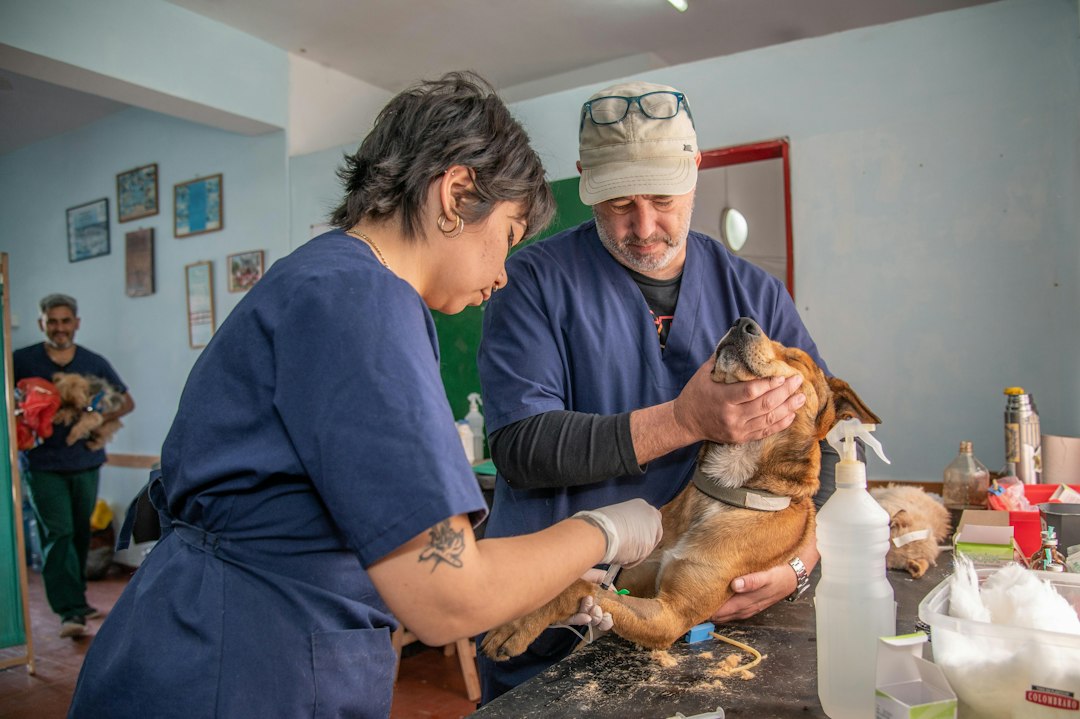
Photo note
Photos on this page are stock images. They do not show dogs with cysts.
Home Care: What to Do and What to Avoid
SAFE TO DO
- Check your dog for lumps once a month
- Take a photo and measure new lumps to track changes
- Keep the area clean and stop your dog licking it
- If a cyst bursts, clean gently with lukewarm water or saline, cover loosely and call your vet the same day
- Keep collars and harnesses from rubbing on a lump
- Keep your dog’s grooming routine up
AVOID
- Squeezing, popping or cutting the cyst
- Using human creams or antiseptics without your vet’s advice
- Waiting when a lump grows fast or changes colour
- Assuming a lump is harmless without a vet check
- Giving human pain pills
Popping a cyst can push its contents deeper into the skin. This causes inflammation and infection. The cyst wall usually stays, so it often fills up again.
When to Call the Vet
See a vet soon if
The lump grows fast, bleeds, smells bad, looks red or painful, feels stuck in place, comes back after drainage, or your dog seems tired or stops eating. Also book a check for any lump on the eyelid, in the ear, near the breast area or near the anus.
Sources
- Great Pet Care: written and reviewed by named vets, but last updated in 2022.
- Webvet: named vet reviewer. The cost figures are an estimate and not a quote.
- Park Veterinary Hospital blog: hospital blog, author shown by first name only, no credentials listed.
- Vetified: commercial. The company sells skin products and the author lists no vet credentials. Used only for breed hints and recovery timing.
Frequently Asked Questions
Are cysts on dogs dangerous?
Most are benign. But other lumps look the same, and some are cancerous, so a vet should check any new lump.
Can I pop my dog’s cyst at home?
No. Squeezing can cause pain, inflammation and infection, and the cyst often fills up again.
Will a cyst go away on its own?
Some stay small and stable for a long time. Medicine alone usually does not remove a true cyst. Surgery is the lasting fix.
How do vets tell a cyst from a tumor?
Vets usually take a few cells with a thin needle and check them under a microscope. A biopsy may follow if the result is unclear.
What does it look like inside?
A cyst may release grey white, pasty or cheesy material. Do not open it yourself.
When should my dog have surgery?
Vets often advise removal if the cyst grows, ruptures often, gets infected or bothers your dog.
Can cysts come back?
Yes, if the cyst lining stays behind. Draining may give only short relief, because cysts often refill.
How can I spot cysts early?
Run your hands over your dog once a month and check the head, neck, back, legs and belly. Note new lumps and show them to your vet.
Final Thoughts
A sebaceous cyst dog lump is usually harmless, but you cannot be sure without a vet check. Do not squeeze it. Watch for fast growth, redness, pain, bleeding or smell. If any of these appear, call your vet. Monthly lump checks at home make it easy to catch changes early.