Northern Inuit Dog: Size, Lifespan, Health and Care
The Northern Inuit Dog is a tall, friendly, wolf like family dog from Britain. Its look made it famous on screen, but it can be hard to find, hard to leave alone and harder to judge than a recognized breed. Sources disagree on size, exercise and even lifespan, so we compared the breed society with several breed guides and flagged what is unsourced.
Written by the Paws and Facts Editorial Team. We compared the American Northern Inuit Society, Wisdom Panel, Dogtime, Hepper and Wikipedia. We are not vets, so talk to your own vet about health and exercise.
Key Takeaways
- Not a recognized breed. Wisdom Panel says the AKC and the UK Kennel Club do not accept it. The breed society is working toward recognition.
- British origin. Breeders in the 1980s crossed imported dogs with Siberian Huskies, Alaskan Malamutes and German Shepherds.
- Size is about 23 to 32 inches depending on the source. The society standard gives 25 to 30 inches for dogs and 23 to 28 for bitches.
- Lifespan is often given as 12 to 15 years, but Dogtime also prints 10 to 13 on the same page.
- Exercise advice ranges from a 30 to 40 minute walk to 60 to 90 minutes a day.
- Separation anxiety and prey drive are the main lifestyle problems. Health tests for hips, elbows, eyes and degenerative myelopathy are advised for breeding dogs.
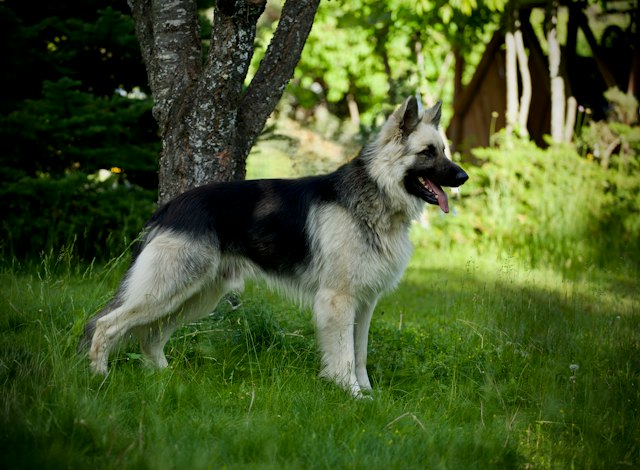
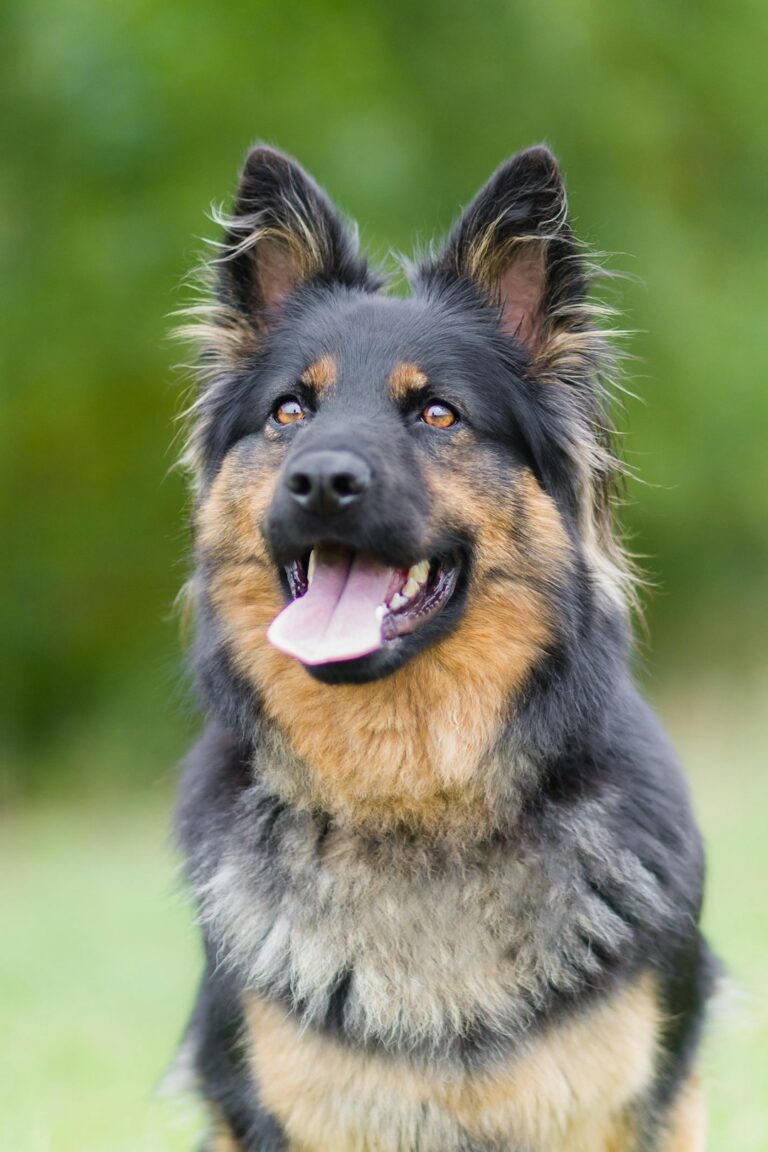
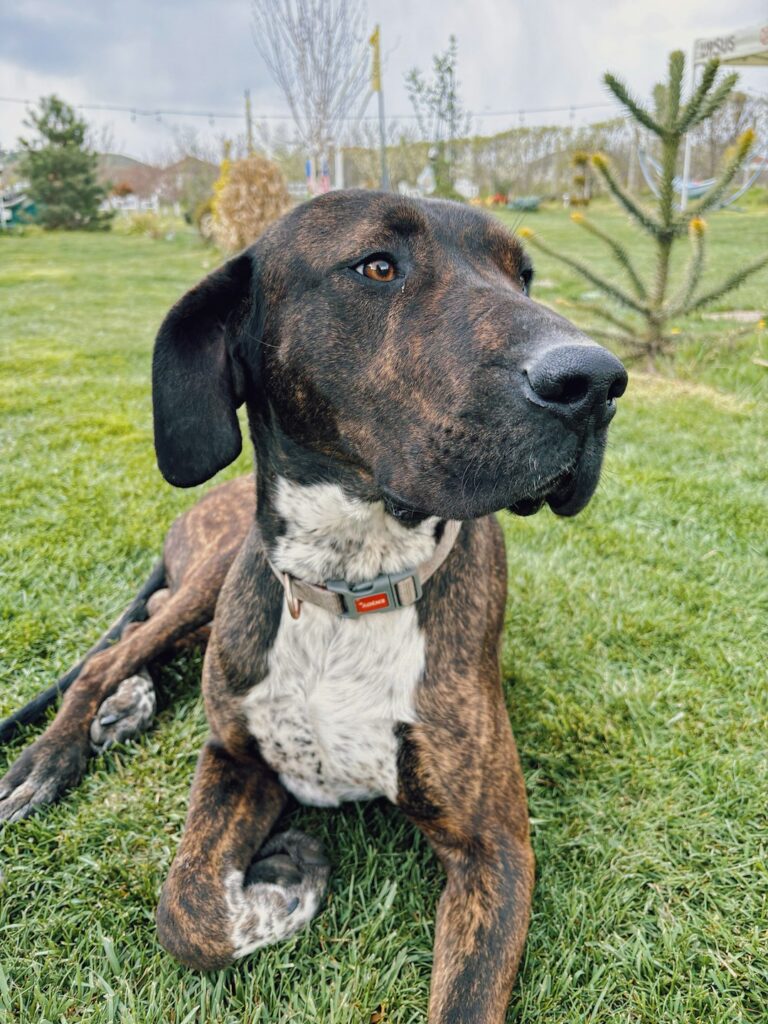
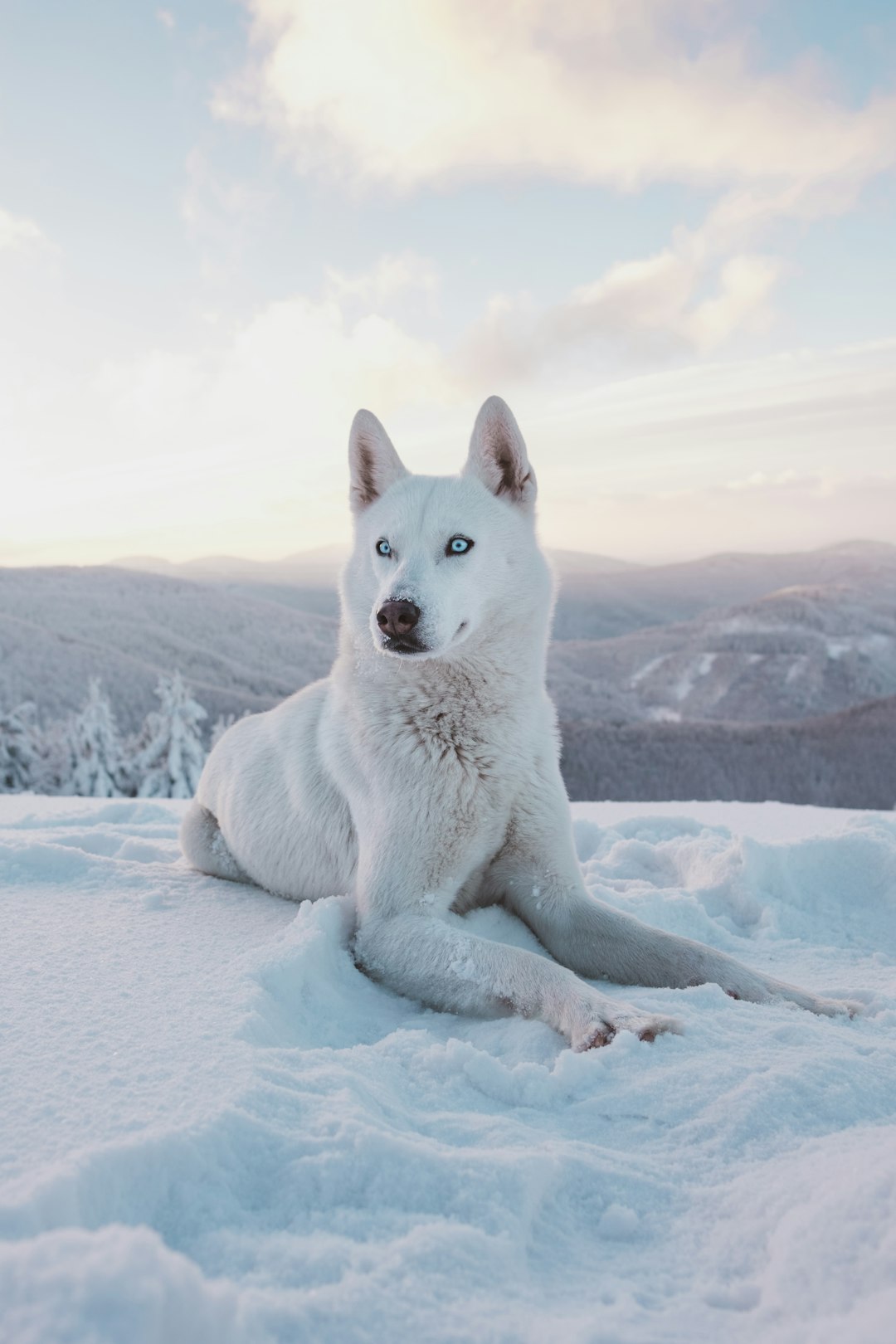
Photos on this page show wolf like and husky type dogs in snow for illustration. They are not confirmed Northern Inuit dogs.
What Is the Northern Inuit Dog?
It is a medium to large, wolf like companion dog created in the United Kingdom. The American Northern Inuit Society describes it as friendly, placid and outgoing. Wisdom Panel calls it intelligent, loyal and pack oriented.
| Quick fact | What the sources say |
|---|---|
| Origin | United Kingdom, 1980s (American Northern Inuit Society, Dogtime) |
| Ancestors | Imported dogs of unknown North American origin, Siberian Huskies, Alaskan Malamutes and German Shepherds |
| Recognition | Not accepted by the AKC or UK Kennel Club (Wisdom Panel) |
| Coat | Dense double coat with moderate to heavy shedding (Dogtime) |
| Voice | Tends to howl more than bark (Wisdom Panel, Dogtime) |
| Guard dog? | Poor guard dog because it is friendly and inquisitive (breed society) |
History: Where the Breed Came From
According to the American Northern Inuit Society, several dogs of unspecified origin were imported from North America into Britain in the early 1980s and bred with Siberian Huskies, Malamutes and German Shepherds. The society says a legend about wolf matings exists, but there is no wolf content today. The breed stayed mostly in the UK and Ireland until the first litter elsewhere was born in South Africa in June 2014.
Was Samoyed in the mix? Hepper says the program started in Alaska and included Samoyeds, but it gives no source and the society and Wisdom Panel say Britain, so we did not use that claim. Wikipedia says the early breeding later split into related breeds, the Tamaskan, the British Timber Dog and the Utonagan. The breed also rose in popularity after appearing as dire wolves in Game of Thrones, according to Wisdom Panel and Dogtime.
Recognition: Not a Kennel Club Breed
Wisdom Panel says the Northern Inuit is not accepted by the American Kennel Club or the UK Kennel Club. Both the American Northern Inuit Society and the Northern Inuit Society are described as working toward recognition. For you, that means no official breed standard from a major kennel club and no official registry checks. Ask any breeder which society registers the puppies and which health results they can show.
Size and Weight: What Sources Say
Only the breed society gives a standard, and it lists height without weight. The standard also says overall balance matters more than size.
| Source | Height | Weight |
|---|---|---|
| American Northern Inuit Society | Dogs 25 to 30 in (64 to 76 cm), bitches 23 to 28 in (59 to 71 cm) | Not given |
| Wisdom Panel | 23 to 30 in | 55 to 110 lb |
| Dogtime | Males 23 to 32 in, females 23 to 28 in | Males 79 to 110 lb, females 55 to 84 lb |
| Hepper (unsourced) | 23 to 32 in | 55 to 110 lb |

Lifespan
American Northern Inuit Society and Wisdom Panel both give an average of 12 to 15 years. Dogtime prints 10 to 13 years in its quick facts and 12 to 15 in its statistics box, and does not explain the difference. Hepper also says 12 to 15 but gives no source.
Temperament and Family Fit
- Friendly with people. The breed society calls it friendly, placid and outgoing, and Wisdom Panel says it gets along well with kids and rarely acts aggressively.
- Stubborn. Wisdom Panel says it can be stubborn and needs a firm leader. Dogtime says training is harder than with many breeds and early socialization matters.
- Separation anxiety. Wisdom Panel and Dogtime both say it does poorly when left alone for long periods.
- High prey drive. Dogtime says this can make it a poor match for small pets.
- Howls. It tends to howl more than bark, which neighbors may notice.

Exercise Needs and Planner
Sources disagree. The breed society calls it a medium exercise breed, with two walks or one longer walk often enough. Dogtime recommends 60 to 90 minutes a day and says exercise also keeps the dog calm indoors. Hepper suggests a brisk 30 to 40 minute walk but gives no source. Wisdom Panel says daily exercise is needed but the breed is not as high energy as some northern breeds.
This planner compares your daily exercise time with those two stated ranges. It does not decide what is right for your dog.
Check my daily exercise plan
Formula: your minutes are compared with 30 to 40 minutes (Hepper, unsourced) and 60 to 90 minutes (Dogtime). Limits: sources disagree, and age, health and weather change what suits a dog. A young dog should not be pushed hard. Estimate only, not veterinary advice.
Health Tests and Conditions
The American Northern Inuit Society recommends BVA hip and elbow scores, eye tests and a degenerative myelopathy (DM) test for breeding dogs, with hip and elbow tests mandatory for breeding within the society. It reports a median hip score of 12, an average elbow score of 0 and clear eye results. Clear DM stud dogs can breed any bitch, while carrier or affected studs may only breed bitches tested clear.
Dogtime lists the conditions below as possible, and Hepper gives a similar list without sources. A list is not a diagnosis, and Dogtime warns that its own page is inconsistent, so ask your vet which matter for your dog.
| Condition | Source note |
|---|---|
| Hip and elbow dysplasia | Listed by Dogtime and Hepper. Breed society recommends BVA scoring. |
| Degenerative myelopathy | Listed by Dogtime. Breed society asks for a DM test for stud dogs. |
| Eye disease | Cataracts and glaucoma listed by Dogtime. Breed society recommends eye tests. |
| Epilepsy, Addison disease, cancer | Listed by Dogtime only. |
| Chondrodysplasia and cryptorchidism | Listed by Dogtime and Hepper. |
| Sensitive stomach and dental disease | Wisdom Panel says some dogs have sensitive stomachs and dental disease is common in adults. |
Grooming and Daily Care
Dogtime describes a dense double coat with moderate to heavy shedding, especially between seasons, and suggests brushing two or three times a week. Wisdom Panel says to brush regularly, more often in seasonal shedding, and trim nails monthly. Add dental care, because Wisdom Panel says dental disease is common in adult dogs.

Buying Checklist
DO
- Ask which society registers the puppies
- Ask for written hip, elbow, eye and DM results for both parents
- Meet the parents and see how they live
- Plan for someone to be home or for company for your dog
DO NOT
- Buy a puppy sold as part wolf
- Pay a deposit without seeing health results
- Leave a young dog alone for long hours
- Keep it with small pets without careful introductions
Think about fencing, neighbors who dislike howling and any small pets.
Ask for health results, registration papers and references.
Book a vet visit, puppy classes and a daily exercise routine before the puppy arrives.
Related Reading
If you are comparing big, fluffy mixes, see our guides to the Chow Shepherd cross and the Alsatian Golden Retriever cross. German Shepherd is one of the breeds behind the Northern Inuit.
Sources
- American Northern Inuit Society, our breed
- Wisdom Panel, Northern Inuit facts
- Dogtime, Northern Inuit Dog (internally inconsistent in places)
- Hepper, Northern Inuit Dog (many claims unsourced)
- Wikipedia, Northern Inuit Dog
Frequently Asked Questions
Is the Northern Inuit Dog part wolf? No. The American Northern Inuit Society says a wolf legend exists but there is no wolf content today.
Is it recognized by the AKC or the Kennel Club? No. Wisdom Panel says neither accepts it, and the breed society is working toward recognition.
How big does it get? The society standard gives 25 to 30 inches for dogs and 23 to 28 inches for bitches. Guides list weights of about 55 to 110 pounds.
How long does it live? Most sources say 12 to 15 years, but Dogtime also prints 10 to 13. Treat 10 to 15 as a reasonable planning range.
How much exercise does it need? Sources range from a 30 to 40 minute walk to 60 to 90 minutes a day. Ask your vet what suits your dog.
Can it be left alone? Not for long periods. Wisdom Panel and Dogtime both warn about separation anxiety.
Is it good with children and small pets? Wisdom Panel says it gets along well with kids. Dogtime says high prey drive can make it a poor match for small pets.
How much does a puppy cost? We did not find a reliable price, so we do not give one. Ask for health results and registration details.
Final Thoughts
The Northern Inuit Dog is a gentle, social wolf look alike that suits an active home with time and company to offer. Check the breeder, ask for hip, elbow, eye and DM results, and be honest about alone time before you commit.