Blue Nose Pitbull: Facts, Health, Cost, and Care

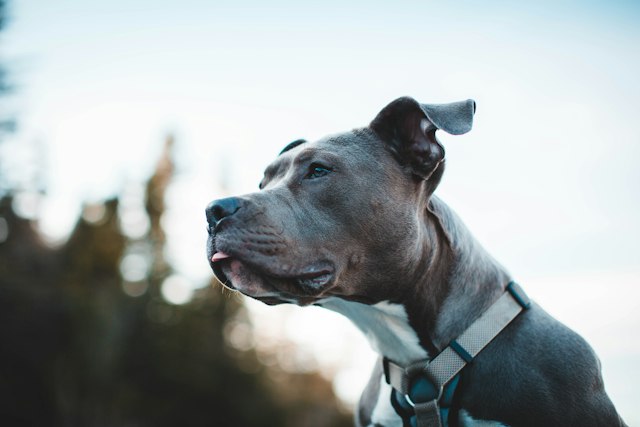
A blue nose pitbull is a pit bull type dog with a gray, slate blue coat and a gray nose. It is not a separate breed and not a rare bloodline. The color comes from a recessive dilute gene, and that same gene can cause skin problems in some dogs.
This guide explains what these dogs really are, how the color is passed on, and what to expect for size, temperament, and care. You will also find the health risks, a price range, the legal rules to check before you buy, and how to avoid sellers who charge extra for the color.
Key takeaways
- Not a breed: It is a color of the American Pit Bull Terrier, the American Staffordshire Terrier, or a mix of both.
- Size: About 17 to 21 inches tall and 30 to 60 pounds.
- Lifespan: Around 10 to 14 years.
- Exercise: 1 to 2 hours a day.
- Main color risk: Color dilution alopecia, a skin and hair loss condition linked to the dilute gene.
- Price: Often $500 to $3,000 from breeders, and $50 to $250 to adopt. A big markup for the color is a red flag.
- Check first: Local breed laws, your lease, and your home insurance.
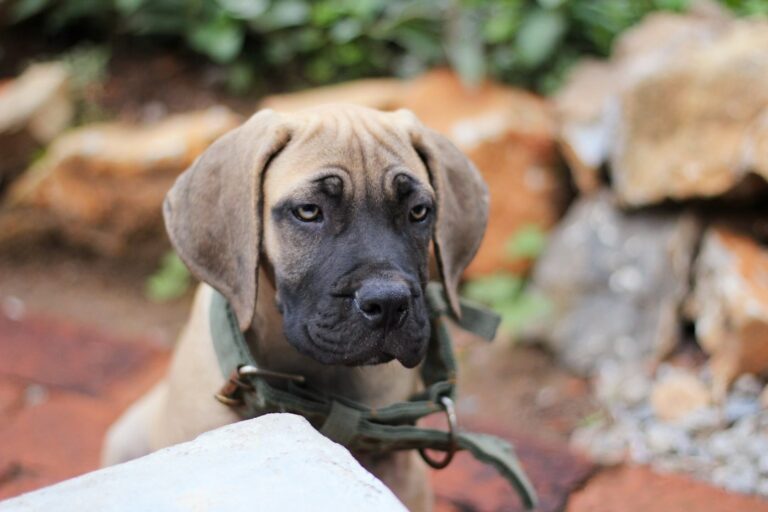
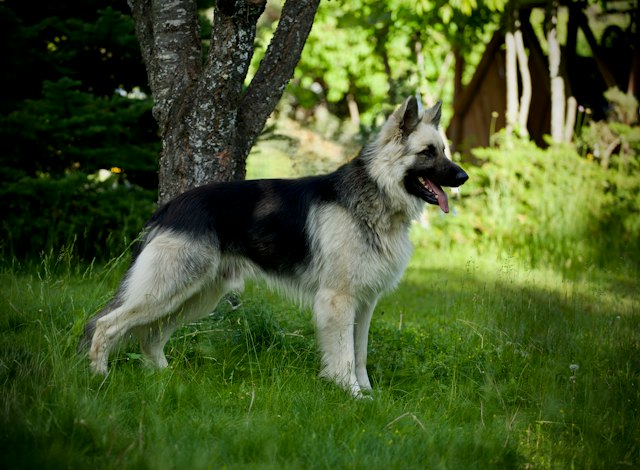
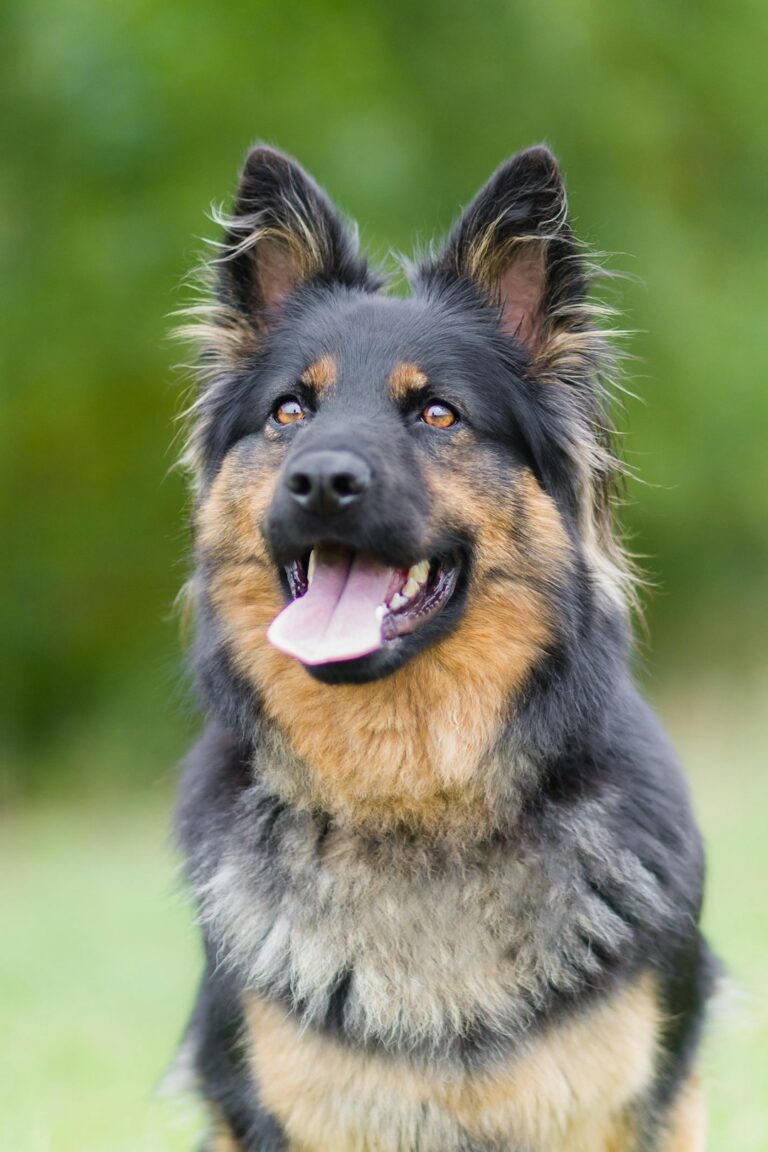
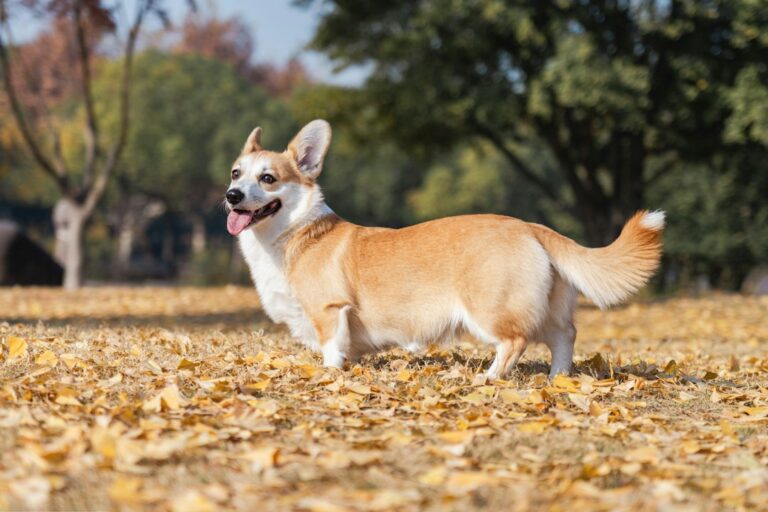
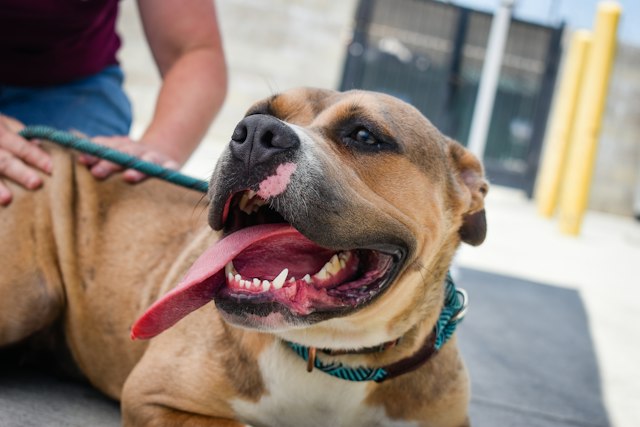
Photo note: the photos in this guide are stock pictures of pit bull type and other dogs. Coat color in photos can vary, and a photo alone cannot prove a dog’s genes.
What is a blue nose pitbull?
It is a color variation of the American Pit Bull Terrier, the American Staffordshire Terrier, or a mix of both. In the dog world, “blue” means a soft gray that can range from light silver to deep charcoal. The nose, lips, and eye rims share the same gray tone. Other than color, these dogs are the same as any other pit bull type dog.
You may also hear these names:
- Blue nose pit bull
- Blue pit
- Blue APBT
- Blue brindle pit bull (a blue coat with brindle stripes)
No major kennel club registers “blue nose” as its own breed. The word is only a color label, much like “black” or “fawn” for other breeds. Sellers sometimes use it to make a dog sound rare or special, which is why it pays to know the facts.
Pit bull types and who registers them
“Pit bull” is not one breed. It is a group of related dogs that share a bull and terrier history from 19th century England. These are the main types:
| Type | Registered by | Notes |
|---|---|---|
| American Pit Bull Terrier | UKC and ADBA, not the AKC | About 17 to 21 inches and 30 to 60 pounds. The most common home of blue coats. |
| American Staffordshire Terrier | AKC and UKC | A close relative, usually heavier and stockier. |
| Staffordshire Bull Terrier | AKC and UKC | A smaller, shorter English type with a blocky head. |
| American Bully | Separate clubs | A newer, bulldog like type with a boxier build. |
| American Bulldog | Separate clubs | Much bigger, up to about 28 inches and 120 pounds. |
Why is the coat blue? How the dilute gene works
Dogs have two basic pigments: black (eumelanin) and red (pheomelanin). Blue is simply diluted black. A recessive gene, linked to the MLPH gene, makes the pigment clump so the black looks gray. Because it is recessive, a puppy needs two copies of the dilute gene, one from each parent, to be blue.
In the table, D is the normal color gene and d is the dilute gene. A dog with Dd looks normal but carries the dilute gene.
| Parent 1 | Parent 2 | Blue puppies |
|---|---|---|
| Blue (dd) | Blue (dd) | All puppies |
| Blue (dd) | Carrier (Dd) | About half |
| Carrier (Dd) | Carrier (Dd) | About 1 in 4 |
| Blue (dd) | Not a carrier (DD) | None, but all are carriers |
This also explains why blue dogs can be “rare” in some areas and why some breeders mate blue dogs that are closely related to get more blue puppies. That practice is a health risk, because a small gene pool makes inherited problems more likely.
Quick facts
| Trait | Typical range |
|---|---|
| Height | 17 to 21 inches (43 to 53 cm) |
| Weight | 30 to 60 pounds (14 to 27 kg). Females are usually lighter. |
| Lifespan | 10 to 14 years |
| Coat | Short, glossy, and slightly stiff |
| Colors | Solid blue, blue and white, or blue brindle |
| Shedding | Low to moderate |
| Energy | High |
| Exercise | 1 to 2 hours a day |
| Trainability | High, with a stubborn streak |
| Good with kids | Yes, with supervision |
| Good with other pets | Needs careful socialization |
| Price | About $500 to $3,000 from breeders |
Appearance and coat colors
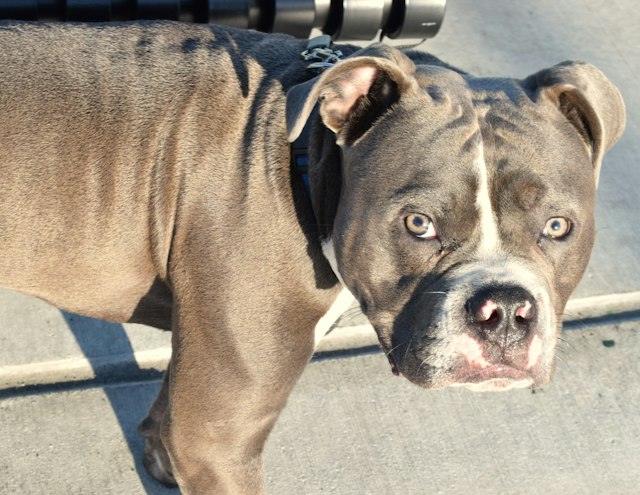
A blue dog looks like any other pit bull type dog: stocky, muscular, and athletic, with a broad head, a short muzzle, and a short tail that tapers to a point. Only the color is different.
- Coat color: Solid gray blue, often with white markings on the face, chest, and feet. A blue coat with brindle stripes is also seen.
- Nose: Light gray or slate, sometimes with a blue tint. A puppy’s nose color can shift, and it usually settles by 1 to 2 years of age.
- Eyes: Blue eyes are common in puppies and often darken with age. Breed standards, such as the UKC standard, treat blue eyes in an adult as a fault.
- Skin and nails: The skin and toenails can also have a gray tone.
- Ears: Small to medium, folded or semi upright. Some owners crop them, but this is not needed.
Red nose vs blue nose: A red nose pit has a brown or liver nose and a red or tan coat. A blue nose pit has a gray nose and a gray coat. Both have the same size, temperament, and care needs.
Temperament and personality
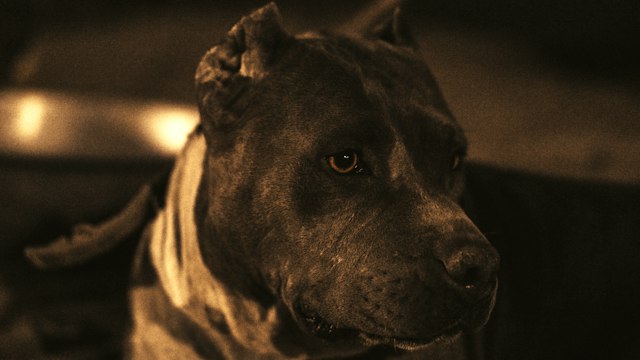
Coat color does not change personality. The dilute gene affects pigment, not the brain, so a blue dog behaves like any pit bull type dog. Most are loyal, goofy, affectionate, and eager to please. They bond closely with their family and love to cuddle on the couch.
| Trait | What to expect |
|---|---|
| With family | Very loving and loyal. Often a Velcro dog. |
| With children | Usually good, but supervise. A strong, excited dog can knock over a small child by accident. |
| With strangers | Usually friendly. They make weak guard dogs because they love people. |
| With other dogs | Can be pushy or jealous. Early socialization helps, and many do best as the only dog. |
| With cats and small pets | High prey drive. Be careful, and never leave them alone together. |
| Alone time | Poor. They are prone to separation anxiety and may chew or dig. |
| Aggression | Not a breed trait. Training, socialization, and how the dog is treated matter most. |
Exercise and training
These are athletic, high energy dogs. Plan for 1 to 2 hours of activity a day, ideally in two sessions. They are strong jumpers, so use a secure fence.
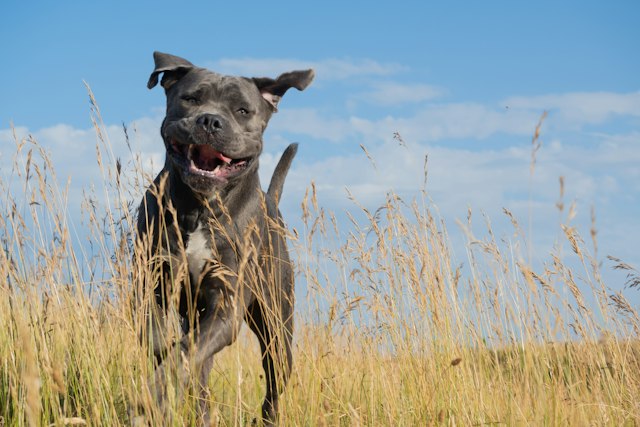
- Good activities: Jogging, hiking, fetch, flirt pole games, agility, and swimming.
- Mental work: Puzzle feeders, nose work, and short training sessions.
- Chew toys: Choose tough ones, because these dogs chew hard.
- Leash: Keep your dog on a leash in public. Many places require it, and their prey drive can make them bolt.
- Puppies: Avoid hard running and jumping while the joints grow.
Training steps that work:
- Socialize early. Start between 7 and 16 weeks, with calm, positive meetings with people, dogs, and new places.
- Use rewards. Treats, toys, and praise work best. Harsh methods make these sensitive dogs fearful.
- Keep sessions short. Five to ten minutes, several times a day.
- Teach leash manners first. A strong dog that pulls is a safety risk.
- Practice calm alone time. Use a crate or a safe room to prevent separation anxiety.
- Stay consistent. Everyone in the home should use the same rules.
Grooming and skin care
| Task | How often |
|---|---|
| Brushing | Once a week, and more in spring and fall when they shed |
| Bath | When dirty, with a mild shampoo for sensitive skin |
| Nail trim | Every few weeks |
| Ear check | Weekly |
| Teeth brushing | 3 to 4 times a week or more |
| Sun protection | For thin or bald patches, limit midday sun and ask your vet about dog safe sunscreen or a light shirt |
The short coat gives little warmth, so use a sweater in cold weather. Wash bedding often, because some of these dogs have sensitive skin.
Health problems and lifespan
Most pit bull type dogs are hardy, and blue dogs usually live 10 to 14 years. The health risks come from two places: the breed type, and the dilute gene.
| Condition | What it is | What to do |
|---|---|---|
| Color dilution alopecia (CDA) | A hereditary skin disease seen in blue and other diluted dogs. Signs are a dry, dull, thin coat, hair loss, and bumps or blackheads, mostly on the back and sides. | See a vet for a diagnosis. It cannot be cured but can be managed. Ask a breeder about CDA in the parents. |
| Skin allergies | Itching, redness, and ear infections from food or the environment. | Use a mild shampoo and talk to your vet about diet. |
| Hip and elbow dysplasia | Joint problems that cause pain and limping. | Ask for OFA scores on the parents. Keep your dog lean. |
| Hypothyroidism | Low thyroid hormone, causing weight gain and tiredness. | Ask your vet for a thyroid test if your dog gains weight on a steady diet. |
| Eye disease | Cataracts and progressive retinal atrophy. | Do yearly eye checks. |
| Heart disease | Seen in some pit bull types. | Include heart checks in regular vet visits. |
| Deafness | Seen in some dogs, especially those with a lot of white. | Test hearing in puppies. |
About CDA: It can start in the teen months and may come and go, or it can last for life. Not every blue dog gets it. Skin biopsy confirms the diagnosis, and a vet may suggest medicated baths, fatty acid supplements, or other treatment. Some websites say the blue gene also weakens the immune system or causes heart disease, but the solid research evidence is for the skin condition only.
Feeding your dog
- Food type: A complete and balanced dog food with real protein as the first ingredient.
- Amount: Most adults eat about 1.5 to 2.5 cups of kibble a day, split into 2 meals. Follow the label, then adjust to keep your dog lean.
- Treats: No more than 10% of daily calories.
- Itching or loose stool: Talk to your vet about a food allergy.
- Weight: Extra weight stresses the joints and worsens thyroid problems.
Laws, rentals, and insurance
This is the part many buyers skip. Pit bull type dogs are restricted by breed specific laws in parts of the United States and across the United Kingdom. The AKC and many animal groups oppose these laws, but they still apply where they exist. Check these items before you bring a dog home:
| What to check | Why it matters |
|---|---|
| Local breed laws | Some cities and counties ban the type or add rules such as leashes, muzzles, or registration. |
| Lease or HOA rules | Many landlords and communities ban pit bull types, which forces some owners to give their dogs up. |
| Home or renters insurance | Some insurers refuse cover or charge more. Ask before you buy. |
| Dog parks, daycare, and groomers | Some places do not accept these dogs. |
| Travel | Airlines, hotels, and countries may restrict the type. |
| Dog identity | Rules often go by looks, not papers, so a mixed dog can be affected too. |
How much does a blue nose pitbull cost?
Prices vary a lot. Popular guides list about $500 to over $1,000 at the low end and up to $2,000 or $3,000 from some breeders. Adoption fees are usually $50 to $250.
- Color is not worth a big premium. A fair price comes from health testing and good care, not from a gray coat.
- Very high prices are a red flag. They often come from backyard breeders who skip health tests.
- Yearly costs: Food, vet visits, vaccines, parasite control, a strong leash and collar, chew toys, training classes, and pet insurance.
- Possible extra costs: Skin treatment, joint care, and higher insurance in some areas.
How to find a healthy puppy
Pit bull types fill many shelters, so adoption is a great first choice. Rescues often have whole litters in many colors, including blue, and many offer low cost spay and neuter. If you choose a breeder, ask these questions:
- Can I see OFA hip and elbow results for both parents?
- Has either parent had skin problems, allergies, or hair loss (CDA)?
- Are the parents closely related? Avoid litters from close relatives.
- Can I meet both parents and see how they behave?
- Where are the puppies raised, and how are they socialized?
- What does the contract say, and will you take the dog back?
Red flags: “rare” or “exotic” marketing, a large markup for color, no health tests, only photos of the puppies, and breeding two closely related blue dogs.
Is this dog right for you?
| Situation | Fit |
|---|---|
| Active owner who runs or hikes | Excellent |
| Home with a secure fenced yard | Good |
| Apartment | Poor, unless you give 1 to 2 hours of outdoor exercise daily and the lease allows it. |
| Family with children | Good with supervision and training |
| First time dog owner | Possible, but a trainer helps a lot. |
| Away from home all day | Poor. They need company. |
| Home with cats or small pets | Risky because of prey drive. |
| Area with breed laws | Check the rules first. |
Myths and facts
| Myth | Fact |
|---|---|
| It is a rare, special breed. | It is a color of the American Pit Bull Terrier or American Staffordshire Terrier. |
| Blue dogs are more aggressive. | Color does not change behavior. Training and care do. |
| They always have blue eyes. | Blue eyes are common in puppies and often darken. Adults often have amber or brown eyes. |
| A blue coat means a purebred line. | Color says nothing about pedigree or health. |
| The blue gene ruins the immune system. | The proven link is to skin disease (CDA), not to a weak immune system. |
| Higher price means higher quality. | Price for color is not a sign of health or good breeding. |
Judge a puppy by the health tests and the parents, not by the color of the coat.
Paws and Facts Tip
More guides to read next:
- Dog breeds and crossbreeds
- American Mastiff: size, temperament, health, and cost
- Alsatian Golden Retriever cross: size, traits, and care
Frequently asked questions
Is a blue nose pitbull a separate breed?
No. It is a gray color variation of the American Pit Bull Terrier, the American Staffordshire Terrier, or a mix. No major kennel club lists it as its own breed.
Why is a blue nose pit called blue?
The black pigment is diluted by a recessive gene, so the coat and nose look gray or slate blue instead of black. Both parents must carry the gene.
Are blue nose pits more aggressive than other pit bulls?
No. Coat color has no effect on behavior. Any dog can become aggressive if it is poorly raised, trained, or treated, so socialization and kind training matter most.
Do blue nose pits always have blue eyes?
No. Puppies often have blue eyes that darken to amber or brown as they grow. Many breed standards treat blue eyes in an adult as a fault.
Do blue pit bulls get skin problems?
Some do. Blue and other diluted dogs can develop color dilution alopecia, which causes a dull coat, hair loss, and bumps. Not every blue dog gets it, and a vet can help manage it.
How big does a blue nose pit get?
Most reach 17 to 21 inches tall and 30 to 60 pounds. Males are larger than females.
How long do blue nose pits live?
About 10 to 14 years with good care, a healthy weight, and regular vet visits.
How much does a blue nose pit cost?
Breeder puppies are often listed from about $500 up to $2,000 or $3,000, and adoption fees are usually $50 to $250. Be careful with high prices for color alone.
Are blue nose pits good with kids?
Usually yes. They are loyal and playful, but they are strong, so always supervise play with small children.
Are pit bull type dogs banned in some places?
Yes. Breed specific laws restrict or ban pit bull types in parts of the United States and across the United Kingdom. Check local laws, your lease, and your insurance before you adopt.
This guide is for education only. It does not replace advice from your veterinarian or a qualified trainer.
Helpful resources
- K9 of Mine: the blue nose pit bull explained
- Dogster: blue nose pit bull breed guide
- United Kennel Club: American Pit Bull Terrier
- AKC: American Staffordshire Terrier
- Kim et al. (2005): color dilution alopecia in dogs
- WikiVet: color dilution alopecia
- PubMed Central: breed identification and breed specific laws
- AKC: policy analysis on breed specific laws
Final thoughts
A blue nose pitbull is a loving, loyal, and energetic dog in a gray coat, but it is not rare, special, or a different breed. Choose with your head, not the color: check the local laws, plan for daily exercise and training, and look for a breeder who health tests the parents and avoids close inbreeding, or adopt from a rescue. With the right home, these dogs make wonderful family companions.