Prevention of Dog Bite: Safety Tips for Every Family
Most families only think about the prevention of dog bite after something goes wrong. A quick pat on the head, a hand reaching over a fence, or a child hugging a tired pet can all go badly in a second. The good news is that many of these moments come with warning signs, and a few simple habits can lower the risk.
This guide explains why dogs bite, how to read a dog’s body language, what children should and should not do, and how to react if a strange dog comes your way. It is based on the ASPCA and the New York State Department of Health.
By the Paws and Facts Editorial Team. Last checked November 2026. This is general information, not veterinary advice. Where we give our own opinion, we label it “Our advice”. We do not give medicine names or doses.
Key Takeaways
- Any dog can bite, whatever its size or temperament.
- Most bites to children happen at home or somewhere familiar, with a dog the child knows.
- Dogs can show warning signs. Stiff bodies, hard stares, growls, lip licking, yawning and backing away are all signals.
- Always ask the owner before petting an unfamiliar dog.
- Never leave a baby or young child alone with a dog.
- If an unfamiliar dog approaches, stand still and stay quiet. Do not run or scream.
Quick answer: To lower the risk of a bite, supervise children, ask before petting, give dogs space when they eat, sleep or play with a toy, learn the warning signs, and stay calm if a strange dog approaches.
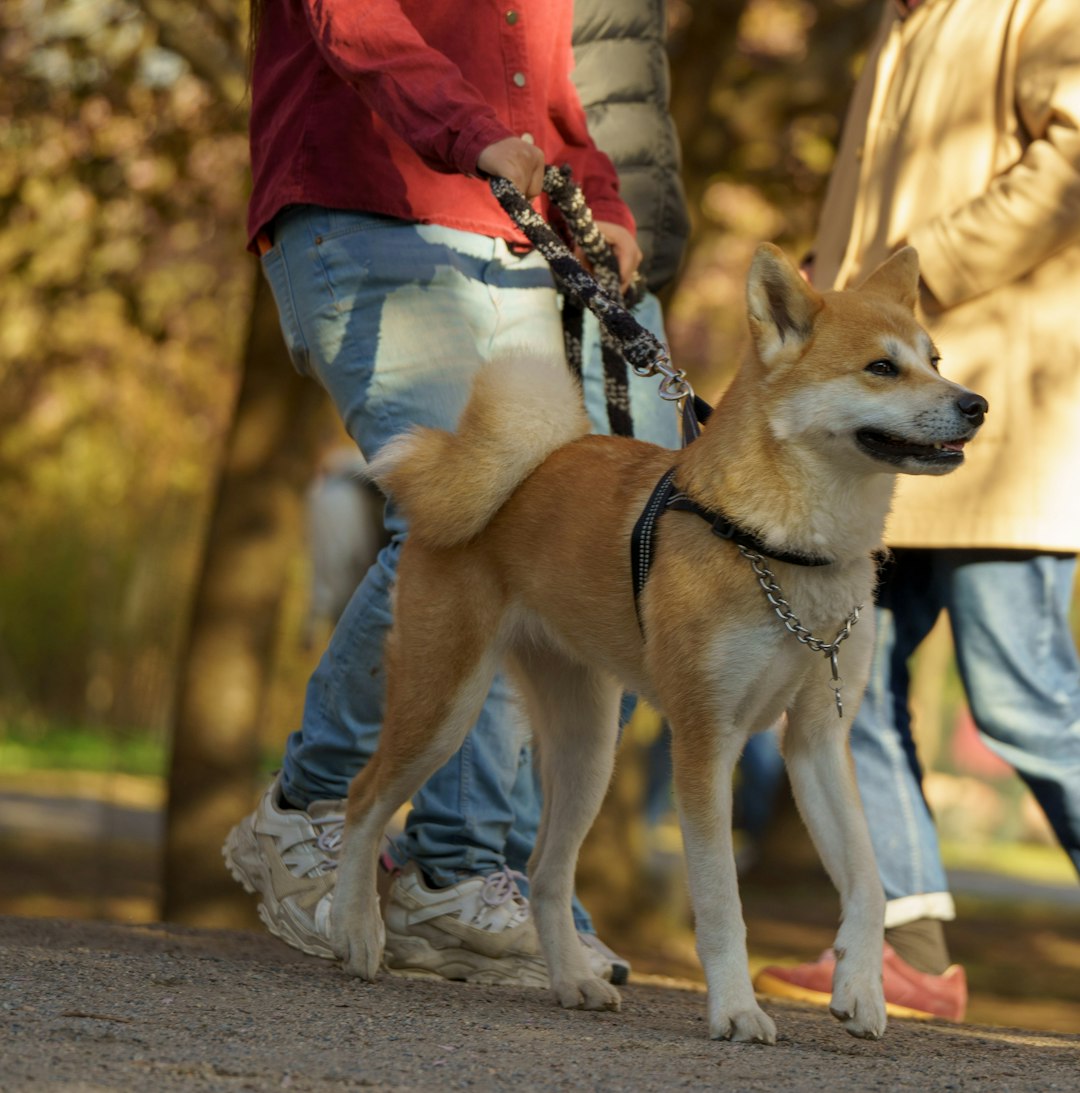
Photo note: stock photos on this page are for illustration only. The dogs and people shown are not our own pets.
Why Dogs Bite
A bite is rarely random. The ASPCA describes two broad groups of warning signs: aggression and fear or anxiety. A dog may also mix the two, which makes it harder to read. A dog that feels cornered, startled or protective may bite because it feels it has no other choice.
The New York State Department of Health adds that bites often involve a familiar dog. That matters because families relax around their own pets and may miss early signs. Children also move fast, grab, hug and stare, which many dogs find stressful.
Situations that make a dog more likely to react include being disturbed while sleeping, being approached while eating, being teased, or being reached for while behind a fence or inside a car. Both sources list these as moments to keep away.
How to Read Dog Body Language
The ASPCA groups the warning signs in a useful way. An aggressive dog often tries to look bigger. A frightened dog tries to look smaller. Learn both, and treat any of them as a request for space.
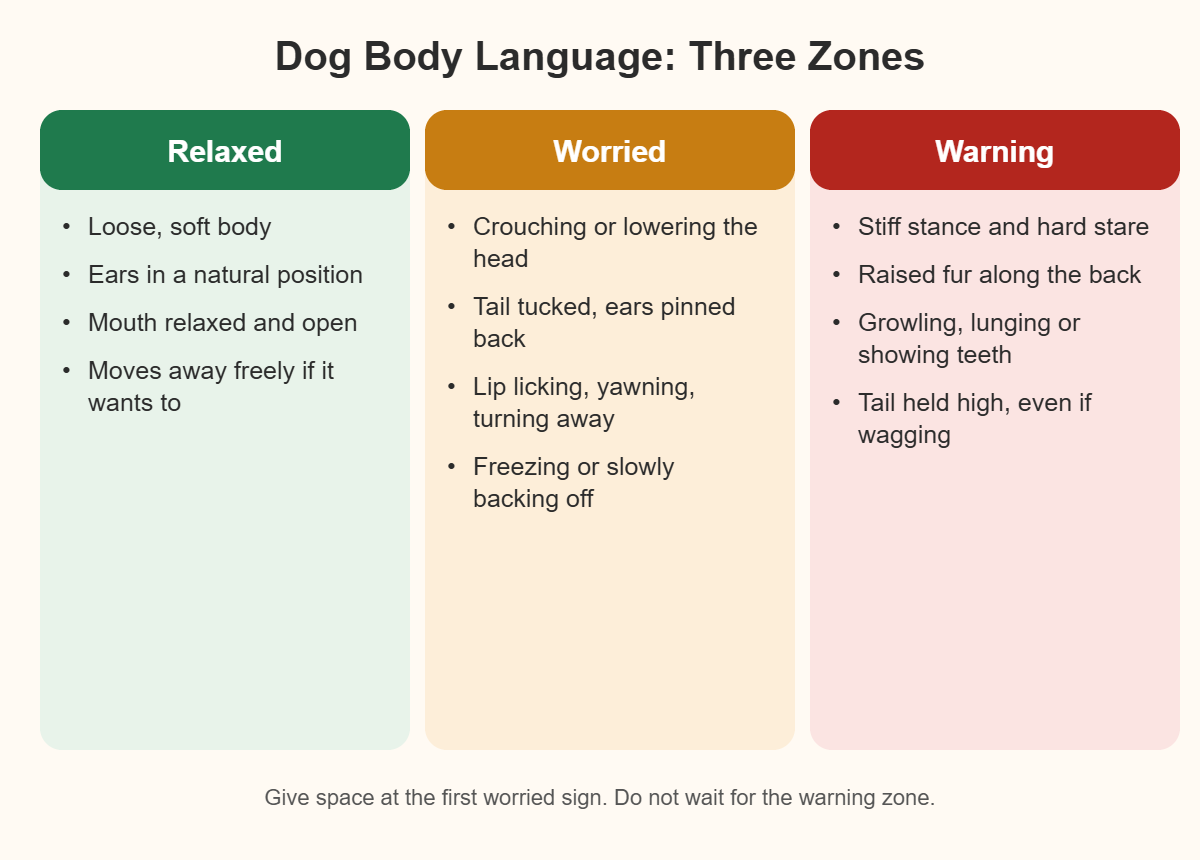
| Signal | What it may mean |
|---|---|
| Raised ears, raised fur along the back, stiff stance, hard stare | The dog may be ready to act aggressively |
| Tail held high, even while wagging | Tension, not always friendliness |
| Showing teeth, growling, lunging, barking | A clear warning to back off |
| Crouching, lowered head, tucked tail | Fear or anxiety |
| Pinned back ears, repeated lip licking, yawning, turning away | Stress and a wish to avoid contact |
| Freezing, rolling onto the back, slowly backing away | A scared dog that may still bite if pushed |
Remember that a wagging tail or a crouched body does not always mean a dog is happy. The ASPCA warns about mixed signals. When in doubt, stop what you are doing and step back.
Prevention of Dog Bite Rules for Children
Children are the group most often discussed in bite safety advice, and they cannot be expected to read a dog perfectly. The New York State Department of Health suggests teaching safe and unsafe behavior before a child meets a dog. Here are the rules both sources support.
- Ask the owner before petting any dog.
- Move slowly and calmly. Avoid sudden movements that could startle the dog.
- Let the dog sniff first, then pet gently.
- Do not tease a dog.
- When giving a treat, keep your fingers together so the dog does not mistake a hand for food.
- Do not approach a dog that is eating, sleeping, playing with a toy or guarding its yard.
- Do not reach toward a dog inside a car or behind a fence.
- Give a resting dog time to rest.
Adults should be close enough to step in, not just somewhere in the house. The ASPCA is clear that a baby or young child should never be left alone with a dog.
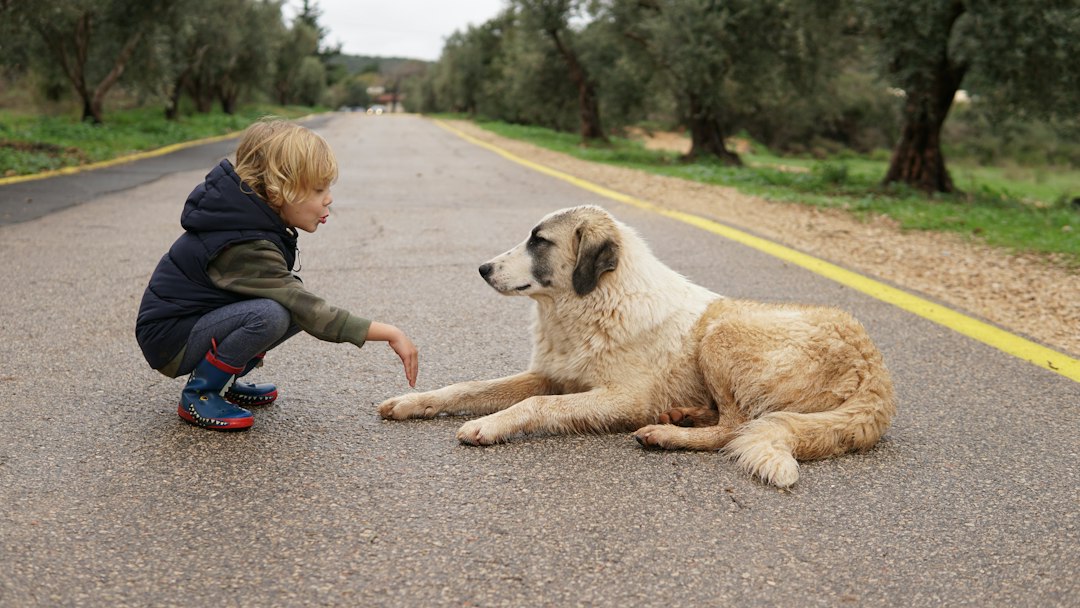
The photo above shows a child near a dog. It is only an illustration, and it is not a model of safe behavior. Without an adult and the owner’s permission, a child should not approach a dog.
SAFE TO DO
- Ask the owner first
- Let the dog sniff a closed hand
- Pet the chest, shoulders or side
- Supervise every meeting
- Step away if the dog seems uneasy
AVOID
- Reaching over a fence or into a car
- Petting the top of the head
- Disturbing a dog that is eating or sleeping
- Hugging, teasing or staring
- Leaving a young child alone with a dog
Meeting an Unfamiliar Dog
The best meeting is one the dog chooses. Ask the owner whether the dog is comfortable with strangers. If the owner says yes, hold out a closed hand and let the dog decide whether to sniff. The ASPCA then suggests petting the chest or shoulders rather than the top of the head.
Step away calmly if the dog seems uncomfortable. Avoid dogs that are barking, growling, loose with no owner in sight, behind a fence or tied up. These are the situations where a dog is most likely to feel trapped or defensive.
If a Strange Dog Approaches You
Both the ASPCA and the New York State Department of Health give the same core advice: stay calm and do not run or scream. Running can excite a dog, and shouting adds tension.
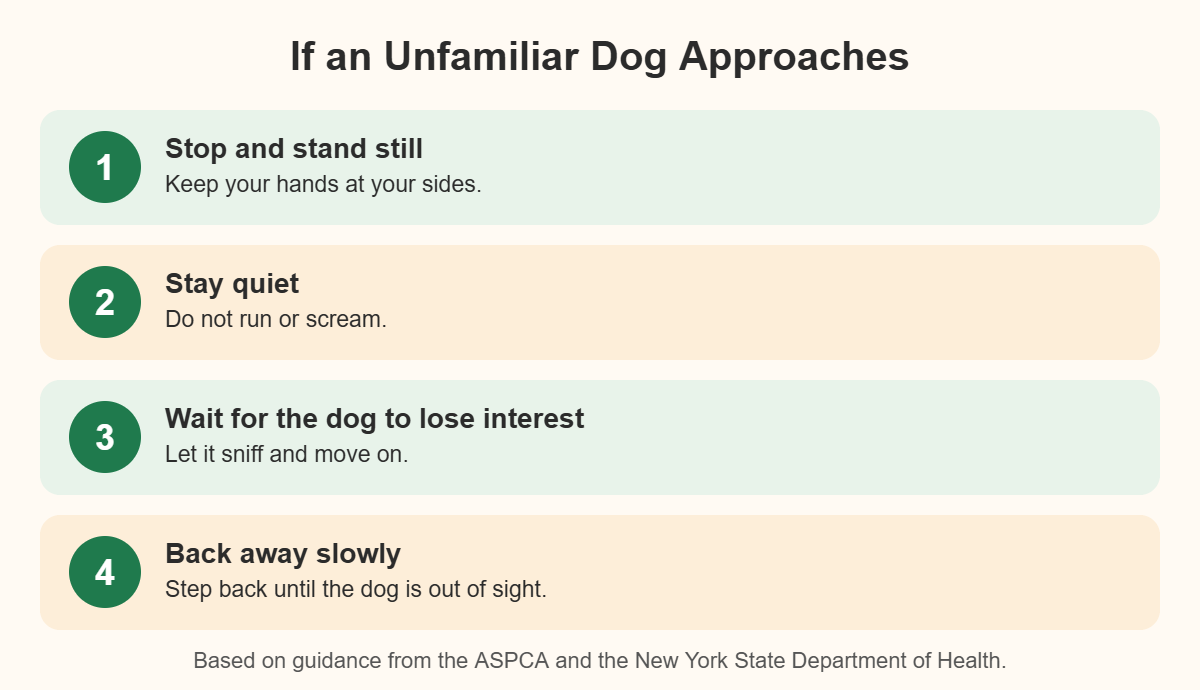
The New York page adds advice for a child who is on the ground. The child should lie still, tuck the knees toward the stomach and cover the ears with the hands. Once the dog loses interest, back away slowly until it is out of sight.
Rules for Dog Owners
Owners can do a lot to lower risk. Our advice is to treat every dog as a dog that could bite under stress, including a gentle family pet.
- Keep your dog on a leash in public, as the ASPCA recommends.
- Supervise any time a child and dog are together.
- Keep your dog indoors or behind a fence during deliveries, or move the mail container if your dog is uneasy around delivery people.
- Give your dog a quiet place to rest where children cannot follow.
- Learn your own dog’s warning signs, such as lip licking, yawning or turning away.
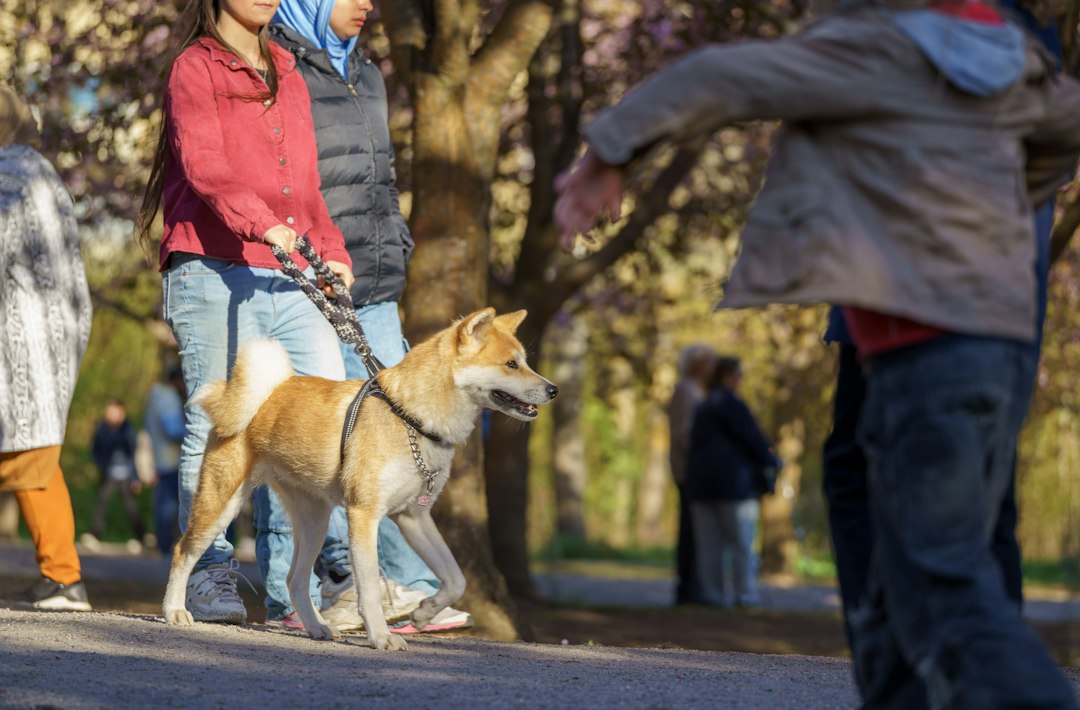
If your dog already shows fear or aggression, a trained professional can help. Our guides on dog training explain how positive methods work. Please do not punish a growl, because a growl is a warning you want to keep.
Where Our Sources Differ
| Topic | ASPCA | New York State Department of Health |
|---|---|---|
| Where to pet | Chest or shoulders, not the top of the head | Side or back, after the dog sniffs first |
| Child on the ground | Not covered on the page we read | Lie still, knees tucked, ears covered |
| Warning sign detail | Describes aggression, fear and mixed signals | Lists a shorter set of angry dog signs |
| Statistics | Cites no numbers on the page we read | Cites no numbers on the page we read |
The two pages agree on the big points. The differences are small, and both fit one rule: when unsure, give the dog space.
If a Bite Happens
Our advice: get the person away from the dog, ask a doctor for advice about the injury, and report the bite to your local animal authority if rules require it. For the dog, speak to your vet about why it happened. We do not give medicine names or doses, and this page cannot replace medical or veterinary care.
Final Thoughts
The prevention of dog bite comes down to attention, space and supervision. Learn the signals, teach children a few firm rules, and never assume that a familiar or small dog cannot bite. Calm habits protect both the people and the dogs.
Frequently Asked Questions
Can any dog bite?
Yes. The New York State Department of Health says any dog can bite, whatever its size or temperament, so the same precautions apply to every dog.
Who do dogs usually bite?
The New York State Department of Health says most bites to children happen at home or in familiar places, and usually involve a dog the child knows, such as a family pet or a neighbor’s dog.
Does a wagging tail mean a dog is friendly?
Not always. The ASPCA notes that a dog can show mixed signals, and a tail held high may keep wagging even when the dog is tense. Read the whole body, not just the tail.
Should I run if a strange dog comes toward me?
No. Both sources say to stay calm, stay still and avoid screaming or running. Back away slowly once the dog loses interest.
Where should I pet a dog I just met?
Ask the owner first. The ASPCA suggests letting the dog sniff a closed hand, then petting the chest or shoulders. The New York page suggests the side or back. Both avoid the top of the head.
Is it safe to leave a child alone with a family dog?
No. The ASPCA says never leave a baby or young child alone with a dog, and adults should always supervise.
Why should children not touch a dog that is eating or sleeping?
Both sources list eating, sleeping and playing with a toy or bone as times to leave a dog alone. A startled or protective dog may react.
What should I do if my dog seems uneasy around visitors?
Our advice: keep the dog in a separate room or behind a gate when guests or delivery people arrive, and ask a qualified trainer or your vet for help with the behavior. We do not give medicine names or doses.
Sources
Sources are listed with notes. Neither page we read gives statistics.
- ASPCA: Warning signs and prevention tips (nonprofit, no named reviewer on the page we read).
- New York State Department of Health: Dog bite injury prevention fact sheet (government page, date not shown on the page we read).